Athlete DNA

AED 2350.00

  • Home Test
  • DNA Saliva Sample

Athlete DNA is a performance-focused genetic test analysing 75 clinically relevant traits to understand how your DNA influences strength, endurance, recovery, injury risk, and overall health. By integrating fitness, cardiovascular, bone, lung, lifestyle, and sleep genetics, it reveals how your body responds to training and recovery. The result is a personalised report supporting optimised training, peak performance, and long-term physical wellbeing.
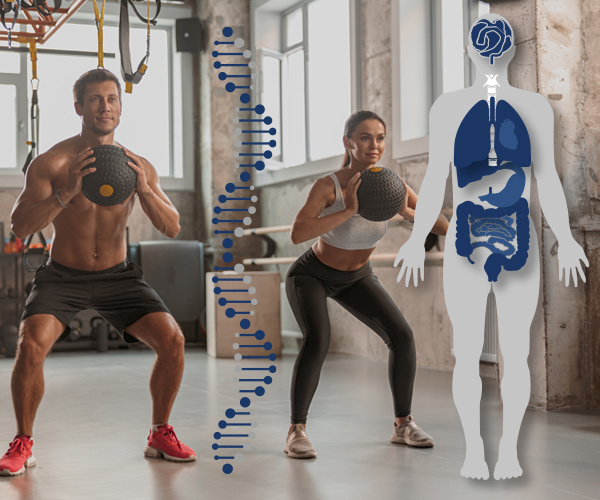
Athlete DNA

Athlete DNA

Fitness Genomics

Endurance Related

Endurance Learn More

What Exactly Is Endurance?
Endurance is the body's ability to maintain physical activity for an extended amount of time. A high endurance capacity indicates that a person can engage in mild to moderate-intensity activities for an extended period of time with minimal discomforts such as dyspnea and weariness. Aerobic capacity, fat oxidation, aerobic metabolism, lactate threshold, exercise economy and the percentage of slow twitch muscle fibres all influence endurance performance. Genetics have a significant impact in these parameters, determining whether or not an individual is adapted for endurance sports.

Aerobic Capacity Trainability Learn More

What exactly is Aerobic Capacity Trainability and energy production.
Aerobic capacity, commonly known as VO2 max, refers to our body's maximal ability to transport and use oxygen during exercise. During aerobic workouts, oxygen is utilised to break down fuel stores for energy production and its demand rises as exercise intensity rises. Appropriate training increases aerobic capacity, which directly corresponds to enhanced performance. However, genetics governs the extent and ease with which these advancements can be produced. People with favourable genetics find it quite easy to develop their aerobic capacity, whereas others may struggle. The trainability of aerobic capacity is regulated by many genes involved in cellular oxygen supply and utilisation.

Lactate Threshold Learn More

What Does Lactate Threshold Mean?
The body produces lactate during anaerobic glycolysis. The aerobic metabolic pathway uses this lactate as a fuel to generate energy. During vigorous exercise, however, the aerobic system is unable to use up all of the lactate created by the anaerobic system, resulting in a rise in lactate concentration. This is directly related to muscle weariness. As a result, the lactate threshold is defined as the intensity of exercise at which the concentration of lactate begins to grow exponentially, causing exhaustion. Exercise intensity below the lactate threshold can be performed without noticeable unpleasantness or exhaustion. As a result, a higher lactate threshold leads to improved performance since more intense activity can be performed.

Injury Risk

Concussion Learn More

What Exactly Is a Concussion?
Concussion is defined as a brief state of unconsciousness or confusion produced by a blow to the head or rapid shaking of the head and body. It has a brief effect on brain function and may cause temporary cognitive issues. Some symptoms may develop right away, while others may appear days later. Even after the symptoms of a concussion have subsided, the neurons in the brain remain sensitive for some time and another concussion during this period of sensitivity may result in permanent damage to those neurons. As a result, even when the symptoms have subsided, it is recommended that you rest for an extended period of time. Genetics influence an individual's risk of concussion and the sensitivity period following a concussion.

Anterior Cruciate Ligament Injury Learn More

Definition of Anterior Cruciate Ligament Injury
The Anterior Cruciate Ligament (ACL) is one of four major ligaments that connect the thigh bone to the shin bone at the knee joint. The ACL performs various roles, including providing stability to the knee joint and assisting in its function. It keeps the shin bone from migrating forward too far in relation to the thigh bone. It inhibits excessive shin bone internal rotation and knee hyperextension beyond the point of maximal knee extension. Finally, it protects the knee against excessive sideways forces, such as those encountered when a rugby player is tackled from the side. ACL injuries most typically occur during activities involving rapid stops, jumping, or changes in direction that are executed incorrectly. An ACL tear is one of the most common knee injuries, necessitating extensive surgery and a lengthy rehabilitation period of 6-9 months. As a result, determining a person's risk of ACL injury is critical before engaging in activities that may cause ACL damage.

Muscle Injury Learn More

What Exactly Is Muscle Injury?
Exercise puts strain on the muscles, which causes them to deteriorate. Low-level muscle injury is required for muscles to develop and adapt to workout stimulus. However, if a muscle is overly injured, it might result in muscle strains. A strain is a contraction-induced injury in which muscle fibres rupture as a result of significant mechanical stress. Muscle bruising, neuromuscular problems and cramping are examples of other muscle injuries. Muscle injuries cause pain, functional loss of the concerned muscle and, as a result, incapacity to do the specific exercise/sport. A person's genetic profile can influence their proclivity for muscular injury.

Rotator Cuff Injury Learn More

What Exactly Is Rotator Cuff Injury?
The rotator cuff is a collection of four tendons that serve to stabilise the shoulder joint. Its purpose is to maintain the upper arm bone's head firmly within the joint's socket. Rotator cuff injury is caused by a traumatic incident or repetitive shoulder joint movements, as seen in many sports and workouts. This can result in a small strain injury, a partial or total tear of the tendons and loss of shoulder joint function. It causes a dull aching in the shoulder and pain when moving the shoulder joint. A person's genetic profile can influence their proclivity for rotator cuff injury.

Tennis Elbow Learn More

What Is Tennis Elbow and how it effects you?
Tennis elbow, also known as lateral elbow tendinopathy, is a painful and tender ailment affecting the outer region of the elbow. It happens when the tendons in the elbow get overworked, which is commonly caused by repetitive wrist and arm motions. It is typically seen in those who participate in racquet sports. Tennis elbow can, however, be caused by other occupations that require similar repeated motions. A repetitive motion, such as grasping a racket during a swing, can strain the muscles and stress the tendons. This continual yanking can eventually result in microscopic tears in the tissue, resulting in damage.

Achilles Tendinopathy Learn More

What exactly is Achilles Tendinopathy?
The Achilles tendon connects muscles in the lower leg's back to the heel bone. It is the human body's thickest tendon. Achilles tendinopathy is an overuse ailment that occurs frequently, particularly in those who engage in running and jumping activities, as a result of repetitive movement at the Achilles tendon. Other causes that can cause it include trauma, rheumatoid arthritis, wearing high heel shoes and certain drugs. Symptoms range from an aching or pain and swelling in the ankle area to a burning feeling that encompasses the entire joint. The discomfort associated with this illness is typically worse during and after exertion and the tendon and joint area can become stiffer the next day as swelling restricts tendon movement.

Flexibility

Flexibility Learn More

What exactly is flexibility?
The capacity to move through a joint's whole range of motion is referred to as flexibility. Gender, age, exercise levels, temperature and the suppleness of the tissues around a joint, particularly ligaments, tendons and muscles, all influence flexibility. Flexibility improves performance when participating in sports or exercising. It also improves the level of comfort in everyday movements including bending, walking and lifting. The protein collagen regulates the elasticity of the tissues involved, providing a hereditary relationship to flexibility.

Power Related

Power Learn More

What Exactly Is Power and how it play a role in your body?
Power is the ability of the muscles to generate substantial forces at a rapid rate, as seen during high-intensity, short-duration exercises. Jumping, powerlifting, sprinting, bodybuilding and short-distance swimming all make use of the muscle's power-generation capabilities. In general, more power production immediately equates to better performance in such tasks. Genetics play a significant effect in an individual's power generation capacities and hence determine whether an individual is fit for power activities or not.

Exercise Response

Fat Loss Response to Exercise Learn More

What Exactly Is Fat Loss? Exercise Reaction
In human bodies, fat is deposited as triglycerides in adipose tissues. Triglycerides are broken down into free fatty acids during exercise and delivered to the muscles, where they are oxidised to generate energy. This procedure results in fat loss. Regular exercise helps to control weight by oxidising fat and improving metabolism. Losing weight promotes a favourable body image while also lowering the chance of health problems such as diabetes, heart disease, arthritis, high blood pressure and cancer. The efficiency with which people respond to exercise in terms of breaking down triglycerides, transporting free fatty acids and then oxidising these fatty acids is determined by their heredity.

Muscle Damage & Recovery Learn More

Definition of Muscle Damage and Recovery
Muscle injury occurs as a result of exercise. While severe muscle injury is harmful, some muscle damage is necessary for growth and adaptation to exercise stimulus. Muscle damage triggers an inflammatory response, which heals the muscle while also promoting development and adaption. Muscle pain is a symptom of inflammation. Soreness is the sensation of discomfort and stiffness while using a muscle, which makes daily activities difficult. Excessive strain on a painful muscle can result in injury. As a result, it is critical to understand an individual's proclivity for muscle injury after a workout, as well as the rate of recovery from that damage, as these factors will define the intensity of workouts and the appropriate length of rest that should be taken between two workouts. The interplay of multiple genes and their variants governs muscle injury and healing.

Strength & Muscle Building Learn More

What is the difference between resistance training and muscle building?
Skeletal muscles, which can generate force, are in charge of the body's movement. Muscles are the primary powerhouse for fat burning and glucose absorption. Larger muscles require more energy and, as a result, burn more calories, resulting in fat loss and weight management. Muscles also aid in the prevention of diabetes by increasing insulin sensitivity and so protecting against insulin resistance. Increasing muscle mass also results in a more toned appearance, which leads to a more positive body image and self-confidence. Other advantages of greater muscle mass include a lower chance of injury, improved immunity, enhanced strength and energy, a lower risk of arthritis and improved metabolic efficiency. Muscle building is accomplished by combining a weight training plan with a caloric surplus diet high in protein. However, muscle mass development is determined by certain genes. The genetic profile of a person can suggest how readily and to what extent a person can gain muscle mass through training.

Cardiovascular

Arrythmia

Atrial Fibrillation Learn More

What Exactly Is Atrial Fibrillation?
Atrial fibrillation is a condition in which the heart rate is erratic and fast, putting the patient at risk of stroke and other cardiac problems.

Brugada Syndrome Learn More

Brugada Syndrome explained
Brugada syndrome is a heart rhythm condition characterised by irregular heartbeats, particularly from the lower chambers of the heart, known as the ventricles. This illness is caused by a malfunction in the channels that direct electrical impulses, causing irregular heartbeats. This irregular beat can be rapid and harmful, resulting in a lack of blood circulation to the body. Brugada syndrome is caused by structural heart defects, chemical imbalances and certain medicines. Brugada syndrome is also caused by genetic differences.

Ventricular Fibrillation Learn More

Definition of Ventricular Fibrillation
Ventricular Fibrillation is a severe kind of arrhythmia or cardiac rhythm disease in which the heart beats with rapid, unpredictable electrical impulses. Because it is a life-threatening condition, it must be addressed right away. While the precise aetiology of ventricular fibrillation is uncertain, it frequently begins with ventricular tachycardia (rapid heartbeat). It happens in persons who have scar tissue from previous heart attacks as well as heart muscle damage from cardiac diseases. Untreated ventricular tachycardia progresses to ventricular fibrillation.

Ventricular Tachycardi Learn More

What exactly is Ventricular Tachycardia?
Ventricular tachycardia is a rapid, abnormal heart rhythm that begins in the heart's bottom chambers (ventricles). Ventricular tachycardia occurs when the heart rate exceeds 100-120 beats per minute and there are three or more abnormal beats in a row. When electrical impulses are disrupted, fast signals are conveyed to the ventricles. This quick heartbeat does not allow enough blood to fill the ventricles, resulting in insufficient blood supply to the rest of the body. Ventricular tachycardia can sometimes cause the heart to stop, which is a life-threatening medical emergency.

Valve Diseases

Stenosis Learn More

Understanding Stenosis
Stenosis is a disorder in which the heart valve narrows, restricting blood flow. The valve flap stiffens or thickens and does not fully open, requiring the heart to work harder to pump blood, leading it to grow and weaken. Aortic stenosis, tricuspid stenosis, pulmonary stenosis and mitral stenosis are the many forms of stenosis. Stenosis can be caused by congenital cardiac abnormalities, rheumatic fever and calcium buildup on the valve. It mainly affects older people, but it can be congenital as well.

Aortic Dissection Learn More

Definition of Aortic Dissection
Aortic dissection occurs when the inner lining of the aorta (the primary artery that drains the heart) tears. Dissection occurs when blood flows between the layers of the vascular wall. This can result in a rupture or an insufficient blood flow to the other organs. There are two kinds of aortic stenosis, depending on which section of the aorta is affected: Type A: The rip is located in the ascending aorta. This is a more prevalent and potentially deadly variant. Type B: A rip in the descending aorta.

Bicuspid Aortic Valve Learn More

What exactly is the Bicuspid Aortic Valve?
Bicuspid aortic valve is a disorder in which the aortic valve, which controls blood flow into the aorta from the heart's left ventricle, has two cusps (flaps) rather than three. The valve does not work properly in this disorder, allowing blood to flow backwards from the aorta into the left ventricle and producing an unnatural sound (murmur) depending on the degree of abnormality. It is a congenital disorder that frequently runs in families. Several studies have also suggested that it could be caused by a connective tissue condition, which could lead to other circulatory system issues.

CVD

Stroke Learn More

Definition Stroke
A stroke most commonly happens in the brain due to a lack of oxygen and blood supply (blocked artery) to the brain (ischemia). As a result, the brain cells (neurons) cannot produce enough energy and finally die. It damages the brain by interfering with energy-dependent processes. Stroke symptoms include sudden numbness or weakness of the face, arms, or legs, loss of vision, difficulty walking, disorientation and severe headaches with no apparent reason.

Angina Learn More

What exactly is Angina ait's effects
Angina is a sign of coronary heart disease that is caused by decreased blood flow to the heart. Inadequate oxygen supply results from a lack of blood supply. In the chest, there is discomfort, agony, heaviness and tightness. There are various types of angina. 1. Stable Angina: This condition is triggered by physical exertion such as exercise or stair climbing. 2. Unstable Angina: This type of angina occurs at rest and is more severe. 3. Microvascular Angina: Chest pain without a blockage of the coronary arteries. 4. Variant angina, also known as Prinzmetal's angina, is a rare but severe condition caused by a spasm in the heart's arteries, which momentarily reduces blood flow and occurs during rest.

Aneurysm Learn More

Aneurysm explained
An aneurysm develops when the arterial wall weakens, resulting in a bulge caused by an increase in blood pressure in the artery. Atherosclerosis, high blood pressure, deep wounds, or infection can all contribute to it. It can sometimes be discovered from birth. Aortic aneurysms (found in the aorta-the main blood vessels that carry blood from the heart), cerebral aneurysms (arteries that supply the brain) and peripheral aneurysms (any peripheral artery) are the three types. It can be fatal if the aneurysm ruptures and causes a stroke.

Long QT Syndrome Learn More

What exactly is Long QT Syndrome?
Long QT Syndrome (LQTS) is an unusual and genetic disorder in which the heart rhythm becomes rapid and disorganised. Arrhythmias (abnormal heartbeat rhythms) can occur suddenly, uncontrollably and dangerously in reaction to exercise or stress. This abnormality in the electrical activity of the heart is referred to as QT prolongation on an electrocardiogram (ECG). LQTS 1, 2 and 3 are the most prevalent kinds of inherited LQTS. Arrhythmias in LQTS 1 can be triggered by mental stress or exercise (particularly swimming). Extreme emotions, such as surprise, can cause arrhythmias in LQTS 2. A sluggish heart rate during sleep can cause arrhythmias in people with LQTS 3.

Myocardial Infarction Learn More

What is myocardial infarction?
A myocardial infarction happens when blood supply to the heart is suddenly reduced. The heart does not receive oxygen if blood is not pumped. If not treated promptly, the heart muscle begins to die. However, if treated immediately, damage to the heart muscle can be reduced or avoided.

Coronary Heart Disease Learn More

Coronary Heart Disease explained and symptom associated
Coronary Heart Disease (CHD), also known as Ischemic Heart Disease, occurs when the heart's blood supply is interrupted due to the buildup of plaque in the coronary arteries, causing inflammation and gradual thickening of the coronary arteries and eventually scarring or furring up the artery lining, resulting in atherosclerosis. CHD is frequently the result of the advancement of CAD and atherosclerosis. CHD symptoms range from chest pain (angina) to shortness of breath. Myocardial infarction (heart attack) is another sign.

Coronary Artery Disease Learn More

Information on Coronary Artery Disease?
The largest blood artery group that supplies blood to the heart is the coronary arteries. Any damage to these blood vessels caused by plaque buildup could result in a decrease in blood supply to the heart, resulting in Coronary Artery Disease (CAD). Symptoms such as shortness of breath and chest pain might occur as a result of reduced blood flow. CAD manifests as stable angina (chest pain), unstable angina, myocardial infarction (heart attack) and sudden cardiac death (SCD), depending on the amount of blockage. A full blockage could result in a myocardial infarction.

Atherosclerosis Learn More

What Exactly Is Atherosclerosis?
Atherosclerosis is a disease in which fat, cholesterol, calcium and other chemicals form plaques in the artery walls, narrowing the opening of the arteries and reducing blood flow, ultimately leading to cardiovascular disease. When these plaques break, they produce a blood clot, limiting or even blocking the flow of oxygen-rich blood to organs and other regions of the body.

Cardiomyopathy

Dilated Cardiomyopathy Learn More

Definition of Dilated Cardiomyopathy
The most prevalent kind of cardiomyopathy is dilated cardiomyopathy. The muscle of the heart's primary pumping chamber (the left ventricle) becomes dilated and weakened in this condition. As a result, the heart is unable to deliver enough blood to the rest of the body. Later on, the right ventricle dilates and becomes dysfunctional. Dilated cardiomyopathy can be caused by a variety of disorders such as various cardiac diseases, alcohol consumption, diabetes, thyroid, viral infections of the heart, or certain medicines.

Hypertrophic Cardiomyopathy Learn More

Defining Hypertrophic Cardiomyopathy
Hypertrophic Cardiomyopathy is a disorder that causes the heart muscle to thicken abnormally. This reduces the ability of the heart to pump blood. It causes rigidity in the heart's lower chambers (ventricles), valve changes (mitral valve) and cellular alterations. There are two types of hypertrophic cardiomyopathy: obstructive hypertrophic cardiomyopathy (in which the septum between the ventricles enlarges and restricts blood flow out of the heart) and non-obstructive hypertrophic cardiomyopathy (in which blood flow is not significantly restricted). While hypertrophic cardiomyopathy is primarily inherited, it can also be caused by high blood pressure or ageing.

Venous Thromboembolism

Venous Thrombosis Learn More

Explaining Venous Thrombosis?
Venous thrombosis is a disorder in which a blood clot forms in a vein and restricts blood flow. Venous Thrombosis Types: 1. Superficial Venous Thrombosis- a blood clot that forms near the skin's surface. 2. Deep Vein Thrombosis- a blood clot that forms in a deep vein in the body, usually in the leg, thigh, or pelvis. The venous thrombus may disintegrate, gather extra platelets or fibrin and produce vessel obstruction, or it may dislodge and migrate to another place, producing catastrophic issues such as pulmonary embolism. Certain genetic variants may enhance the risk of venous thrombosis.

Pulmonary Embolism Learn More

What Exactly Is Pulmonary Embolism?
The blocking of arteries in the lungs caused by blood clots is known as pulmonary embolism. These blood clots occur in many regions of the body, most notably the arms or legs (in the case of deep vein thrombosis). These clots travel through the circulatory system, reach the lungs and create blockage of the lungs' tiny capillaries, affecting blood circulation to that area of the lungs. Due to a lack of blood and oxygen, the lungs may cease to function, causing lasting damage to the organ. The symptoms may vary depending on the extent of the lung involvement and the size of the clot.

Terminal Heart Disorders

Heart Failure Learn More

Definition of Heart Failure
Heart failure is the inability of the heart to adequately pump blood to the body. The heart muscles are either injured and weaker or stiffened. The lower chambers of the heart (the ventricles) do not fill adequately, resulting in ineffective pumping. Heart failure can also be caused by illnesses such as coronary heart disease, in which the arteries grow narrow and hypertension. Heart failure can be classified as left-sided, right-sided, diastolic (the heart is stiff and does not fill adequately), or systolic (the heart is weak and does not pump blood effectively).

Sudden Cardiac Death Learn More

What Exactly Is Sudden Cardiac Death?
The unexpected death caused by the heart abruptly and unexpectedly stopping beating is known as sudden cardiac death. When this happens, blood flow to the brain and other essential organs is cut off. An irregular heartbeat is caused by an electrical defect in the heart. The most common cause of sudden cardiac death is an irregular heart rhythm (arrhythmia). Cardiomyopathy, coronary artery disease, heart attack, valve disease, or inherited heart disease can all cause sudden cardiac death.

Inflammatory Diseases

Kawasaki Disease Learn More

Kawasaki disease explained
Kawasaki disease is a mucocutaneous lymph node disorder that primarily affects babies and young children and causes inflammation of the arteries, veins and capillaries. It primarily affects the child's mucous membranes in the mouth, nose and throat. Although around 80% of Kawasaki illness patients are under the age of five, older children and teenagers may also be affected, albeit infrequently. It is a major cause of acquired heart disease in youngsters.

Infective Endocarditis Learn More

Definition of Infective Endocarditis
Endocarditis is an inflammation of the endocardium, the inner lining of the heart chambers and valves. Infective endocarditis is inflammation of the endocardium induced by an infection. This illness is typically caused by streptococcal or staphylococcal bacteria that enter the body by various areas such as the mouth, skin, respiratory system and urinary tract. If left untreated, it can lead to valve deterioration, heart failure, stroke and even death. Fungi and other microbes can occasionally cause infection.

Dyslipedemia

Hypertriglyceridemia Learn More

Defining hypertriglyceridemia
Hypertriglyceridemia is defined as an abnormally high level of triglycerides (a type of lipid) in the bloodstream. Triglycerides are a substantial component of human body fat and an important source of energy for our cells. Hypertriglyceridemia may be a symptom of underlying metabolic abnormalities and it has been linked to an increased risk of heart disease. Hypertriglyceridemia is defined as a triglyceride level greater than 150 mg/dl.

Hypercholesterolemia Learn More

The definition of hypercholesterolemia
A high blood cholesterol level is referred to as hypercholesterolemia. Cholesterol is a waxy molecule found in blood that is necessary for the formation of healthy cells nevertheless, high amounts of cholesterol can increase the risk of heart disease. High cholesterol causes fatty deposits to form in the blood vessels, making it difficult for blood to circulate through the arteries. These deposits can rupture unexpectedly and create a clot, resulting in a heart attack or stroke.

Vascular Disease

Hypertension Learn More

What Exactly Is Hypertension?
Hypertension is characterised by persistently elevated blood pressure. Hypertension is caused by a complicated interaction between genes and environmental factors. high salt in the diet, high body weight, smoking and excessive alcohol intake are all risk factors. Uncontrolled hypertension can result in a heart attack, stroke and other health issues.

Bone Health & Disorders

Bone Disorders

Paget's of Bone Learn More

What is the bone condition Paget's?
A persistent, non-inflammatory skeletal illness called Paget's disease of the bone can affect one or more bones. Remodelling is the term used to describe the natural process by which the old bone is replaced by the new bone. A deficiency in the remodelling process causes an imbalance that leads to improperly formed, brittle, and weak bone in this illness condition. Other times, it creates bone in the wrong place. Due to a problem with the bone renewal process, a person with Paget's disease may require more time to mend from a fracture. The legs, spine, pelvis, and skull are most commonly impacted.

Avascular Necrosis Learn More

Definition of Avascular Necrosis
In a degenerative bone disorder called avascular necrosis (AVN), also referred to as osteonecrosis, the bone tissue dies from a lack of blood flow. The extent of AVN is determined by the area affected, the size of the affected area, the disease's course, and the bone's ability to heal itself. A lack of blood can cause the bones to fracture, collapse, or even result in dislocation. It typically happens after a wound, radiation therapy to the bones, or fatty buildup in the blood vessels that cut off the bones' blood supply. As the weight-bearing joints, hip bones are frequently impacted.

Joint Disorders

Ankylosing Spondylitis Learn More

What exactly is ankylosing spondylitis?
Ankylosing spondylitis is a type of chronic inflammatory arthritis that mostly affects the spine and causes joint inflammation. This is a chronic ailment, and young adults are often affected by its symptoms, which include back pain and stiffness. Men are reported to be more likely than women to experience it. The pelvic bones may initially experience inflammation before spreading to the spine, other shoulder joints, hips, etc. Ankylosis, the term for the fusing of bones, may also result from the inflammation. Combinations of genetic and environmental variables are probably responsible for the development of ankylosing spondylitis. Variations in the HLA-B27 gene enhance the likelihood of developing ankylosing spondylitis, one of the genes thought to be connected to the condition. The risk based on variations in the ERAP1 gene was demonstrated to be connected with ankylosing spondylitis only in the presence of variation in the HLA-B27 gene, according to a recent study.

Gout Arthritis Learn More

Gout and the complications it causes
Sharp aches in the joints, particularly in the big toe, are a defining feature of the inflammatory arthritis known as gout. Purines, which are naturally present in the body and are also present in some meals, are converted into uric acid through the metabolic process. Hyperuricemia, which results in excessive quantities of uric acid crystals being deposited into the cartilage surrounding the joints, causes excruciatingly painful swelling, redness, and discomfort.

Juvenile Arthritis Learn More

Juvenile Arthritis
A kind of arthritis called juvenile arthritis is frequently diagnosed in children under the age of 16. When the body's own cells and tissues are attacked by the immune system, it happens. This illness produces stiffness and persistent joint discomfort that may linger for months or even years. The susceptibility of a person to environmental factors and situations that may induce juvenile arthritis is increased by specific gene alterations.

Osteoarthritis Learn More

Defining osteoarthritis
Osteoarthritis is a frequent type of arthritis that harms the joints by wearing away the protective tissue that cushions the ends of bones. Osteoarthritis can affect any joint, although it most frequently affects the hands, knees, hips, and spine joints. There are two types of osteoarthritis: primary and secondary. While secondary osteoarthritis is brought on by underlying disorders like trauma or diseases, primary osteoarthritis is not linked to any predisposing trauma or disease.

Psoriatic Arthritis Learn More

The definition of psoriatic arthritis
Psoriatic arthritis is a type of arthritis that typically affects psoriasis patients. The immune system of the body assaults its own cells and tissues in an autoimmune disorder. Skin covered in red, itchy, and silvery scales is a symptom of psoriasis. Psoriatic arthritis, with symptoms like pain and stiffness of the joints, including the fingertips and spine, may develop in them. There are two types of psoriatic arthritis: polyarticular (affecting more than four joints simultaneously) and oligoarticular (affecting four or fewer joints). Psoriatic arthritis may be brought on by specific genetic variants and environmental causes.

Rheumatoid Arthritis Learn More

The definition of psoriatic arthritis
Psoriatic arthritis is a type of arthritis that typically affects psoriasis patients. The immune system of the body assaults its own cells and tissues in an autoimmune disorder. Skin covered in red, itchy, and silvery scales is a symptom of psoriasis. Psoriatic arthritis, with symptoms like pain, and stiffness of the joints, including the fingertips and spine, may develop in them. There are two types of psoriatic arthritis: polyarticular (affecting more than four joints simultaneously) and oligoarticular (affecting four or fewer joints). Psoriatic arthritis may be brought on by specific genetic variants and environmental causes.

Bone Health

Vitamin D, Calcium & Bone Health Learn More

About calcium, vitamin D, and bone health
A fat-soluble vitamin called vitamin D is necessary for calcium absorption and aids in the mineralization of bones. For the preservation of healthy, strong bones throughout the body, calcium is crucial. The sources of vitamin D are sunlight exposure, fortified foods, and foods like fatty fish. A vitamin D deficiency can impair the body's capacity to absorb calcium and leave it susceptible to bone loss or weak bones. Bone remodelling and bone density are also impacted by vitamin D insufficiency. The general health of your bones may be impacted by a number of variables, including age, genetic predisposition, lifestyle choices, and diet.

Bone Mineral Density Learn More

Defining Bone Mineral Density
The amount of minerals present in a specific volume of bone is determined by its bone mineral density. It can give a general notion of the bones' structural soundness at a specific time. The risk assessment of ailments like osteoporosis and bone fractures can be aided by this test. Bones with a higher bone mineral concentration tend to be denser and less likely to break. While a decreased bone mineral content is a sign of a higher risk of fracture.

Pulmonary Disorders

Allergy

Asthma Learn More

Defining asthma
Lung airways that have persistent inflammation are affected by asthma. Both allergic and non-allergic factors can trigger asthma. Asthma incidence is increased in locations with high levels of pollution. Exercise, drugs, disease and other factors are some of the non-allergy causes of asthma. These stimuli force the lungs to contract, severely constricting the airway. The inflammation of the smooth muscles of the airway, which further narrows it, is another defining sign of asthma. In addition to preventing air from passing through the bronchioles, abundant mucus in the airways makes it harder for asthmatic patients to breathe.

Respiratory Failure

ARD Syndrome Learn More

Definition of Acute Respiratory Distress Syndrome (ARDS)
Acute respiratory distress syndrome (ARDS) develops when the lungs' air sacs (alveoli) get flooded with fluid. The protective membrane of the blood vessels is damaged by severe infection or trauma, which allows fluid to flow into the air sacs. The fluid prevents the lungs from having enough space to fill with air, which results in insufficient levels of oxygen in the blood and other body organs. Some of the known causes of ARDS include sepsis, breathing toxic chemicals, pneumonia and severe chest injuries.

Infectious Diseases

Pulmonary Tuberculosis Learn More

How do you define pulmonary tuberculosis?
The lungs are the main organs affected by the deadly infectious bacterial illness tuberculosis. It can spread from one person to another through droplets produced by sneezing or coughing. Due to the fact that it is a respiratory condition, it is also known as pulmonary tuberculosis. The immune system decides if the body is able to combat the virus. It is divided into two categories: latent TB, in which the bacteria are dormant and active TB, in which the germs are active and thus produce symptoms in the body.

Inflammatory Disorders

COP Disease Learn More

What Is COPD (Chronic Obstructive Pulmonary Disease)?
A variety of illnesses known as chronic obstructive pulmonary disease (COPD) result in persistent lung inflammation. It produces airflow blockage, which makes breathing harder. The most prevalent form of COPD, emphysema and chronic bronchitis, causes the destruction of air sacs as well as the narrowing and inflammation of the bronchial passages, which results in the development of mucus. The risk of heart disease and lung cancer is higher in people with COPD. Smoking, exposure to irritants and pollutants and some genetic variations that result in Alpha 1 Antitrypsin (AAT) deficiency, which causes lung damage, are the main causes of COPD.

Emphysema Learn More

Defining Emphysema
Alveoli, the lungs' air sacs, can become destroyed in emphysema, which results in breathlessness. Air is trapped inside the lungs because of broken air sacs, which also prevent pure, oxygen-rich new air from entering. Emphysema is a type of chronic obstructive pulmonary illness in which the bronchial tubes collapse and become blocked due to the weakening, rupturing and collapse of the alveoli and lung tissue. Additionally, it decreases the lung's surface area, which lowers the amount of oxygen that enters the bloodstream. Emphysema may be brought on by smoking, breathing in air pollutants, or contracting a respiratory infection.

Deficiency disorders

Alpha-1 Antitrypsin (AAT) Learn More

What is AATD, or Alpha 1 Antitrypsin Deficiency?
AAT deficit is the absence of the AAT enzyme in the body. The liver produces a protein called AAT that shields the body's organs, particularly the lungs, from potentially toxic substances. Genetic variations lead to the deficit or malformation of this protein, which results in liver illness and obstructive pulmonary disease by affecting the lungs. Breathlessness and a higher risk of lung infections are brought on by lung tissue damage. AAT insufficiency in the body is brought on by specific variations in the genes involved in its production as well as environmental variables.

Deficiency disorders

Sarcoidosis Learn More

Sarcoidosis description
A disorder called sarcoidosis is characterised by the development of granulomas, or small clusters of inflammatory cells, in many organs. The most often affected organs are the lungs and the lymph nodes. These microscopic cell clusters may grow as a result of the body's immunological response to invading chemicals and they quickly interfere with the structure and operation of various organs. Some people's immune systems are stimulated and react to chemicals, dust and pathogenic pathogens. An aberrant response to the body's own protein causes scarring in the affected organs, which affects their shape and function.

Pulmonary Fibrosis Learn More

Defining pulmonary fibrosis
The lung condition known as pulmonary fibrosis damages and scars the lung tissue. Any form of injury causes the lung tissue to stiffen and thicken, which affects how well the lungs work and makes it challenging for oxygen to reach the bloodstream. Radiation therapy, drugs and environmental contaminants can all contribute to pulmonary fibrosis.

Lifestyle Genomics

Diabetes

Diabetic Cataract Learn More

What Exactly Is Diabetic Cataract?
Diabetes cataract is a disorder that causes blindness in diabetes people. A cataract is a thick, hazy region that develops in the eye's lens. Cataract patients compare seeing through clouded lenses to gazing through a frosty or fogged-up window. Cataracts are caused by tissue degradation and protein clumping. Nuclear cataract develops gradually as the core zone of the lens, also known as the nucleus, hardens and yellows. This hardness and yellowing will spread to the other layers of the lens over time.

Diabetic Nephropathy Learn More

What Exactly Is Diabetic Nephropathy?
Diabetic nephropathy is a kidney disease induced by elevated blood glucose levels (diabetes mellitus). This happens due to diabetes damaging the body's arteries, after which the kidney filters blood from those very arteries.

Diabetic Neuropathy Learn More

Definition of Diabetic Neuropathy
Diabetes causes a class of nerve illnesses known as diabetic neuropathy. Diabetes can cause nerve damage throughout the body. Some persons with nerve injury have no symptoms others may have pain, tingling, or numbness, as well as loss of feeling in their hands, arms, feet and legs. Nerve issues can affect any organ system, including the digestive tract, heart and genitalia.

Diabetic Retinopathy Learn More

What is Diabetic Retinopathy?
Diabetic Retinopathy is a diabetic eye condition. High blood sugar levels damage the blood vessels in the tissue at the back of the eye (retina). These blood arteries might expand and leak, or they can close, preventing blood from passing through. On occasion, aberrant new blood vessels form on the surface of the retina.

Foot Ulcers Learn More

What are Foot Ulcers?
Certain degrees of nerve injury frequently result in inadequate regeneration of damaged skin, which would recover normally under optimal conditions. In diabetes patients, the poor healing process can be ascribed to high or often variable blood sugar levels. As a result, even minor injuries can result in a foot ulcer in this situation.

Type II Diabetes Learn More

What Exactly Is Type II Diabetes?
Diabetes mellitus, also known as Type II Diabetes, is a disorder in which the body's capacity to process blood glucose, also known as blood sugar, is impaired. Insulin transports sugar from the blood into cells, where it is stored or utilised for energy. With type II diabetes, the body either does not produce enough insulin or does not use the insulin that it does produce adequately. Diabetes, if not managed properly, can cause a buildup of sugars in the blood, increasing the risk of hazardous consequences such as stroke, heart disease and damage to the eyes, kidneys and other organs.

Cardiovascular Disease Learn More

Definition of Cardiovascular Diseases
Cardiovascular disease is an umbrella term for illnesses affecting the heart or blood arteries. It has also been linked to artery damage in organs like as the brain, heart, kidneys and eyes.

Weight Management

Obesity Learn More

What Exactly Is Obesity?
Obesity is a disorder characterised by excessive body fat that raises the risk of health complications. Obesity is frequently caused by consuming more calories than are burnt by exercise and typical everyday activities. Obesity is indicated by a BMI greater than 30. Excess body fat raises the likelihood of significant health problems.

Lipid Metabolism

Triglyceride Levels Learn More

What Do Triglyceride Levels Mean?
Triglycerides are a substantial component of human body fat. Triglycerides contain fatty acids, which are an important source of energy for our body's cells. Triglyceride concentrations in the blood can be examined and can provide useful information about metabolism and overall health excessive levels may indicate underlying metabolic abnormalities and research suggests that high blood triglycerides are related with an increased risk of heart disease. Fasting triglyceride levels less than 150 mg/dl are considered normal.

Cholesterol Levels Learn More

What Do Cholesterol Levels Mean?
Cholesterol is a waxy molecule that is found in the blood. Although your body requires cholesterol to build healthy cells, high cholesterol levels can increase your risk of heart disease. High cholesterol might cause fatty deposits in your blood vessels. These deposits eventually accumulate, making it harder for adequate blood to circulate through your arteries. These deposits can rupture unexpectedly and create a clot, resulting in a heart attack or stroke. There are various forms of cholesterol: VLDL (Very Low-Density Lipoprotein) Cholesterol, LDL (Low-Density Lipoprotein) Cholesterol and HDL (High-Density Lipoprotein) Cholesterol.

Circadian Rhythm

Chronotype

Morningness-Eveningness Learn More

What is the difference between Morningness and Eveningness?
The timing of peak physical activity, alertness and other physiologic activities within the 24 hour day is referred to as chronotype or diurnal preference. This preference is determined by the body's internal circadian clock, also known as the body clock. The'morning' chronotype refers to those who prefer earlier bedtimes and waking hours and who do activities at their highest levels earlier in the day. While the chronotype of those who prefer later bedtimes and waking hours, exhibiting the highest degree of activity and alertness later in the day is 'evening'.

Sleep Disorders

Insomnia Learn More

What Precisely Is Insomnia?
Insomnia is a frequent sleeping problem in which a person has difficulty falling asleep, staying asleep, or both. The individual may be getting insufficient or poor-quality sleep. Insomnia can be acute (temporary) or chronic (permanent). Acute insomnia is widespread and can linger for days or weeks. It is usually caused by a stressful incident. Chronic insomnia, on the other hand, happens at least three evenings each week for at least three months. Most cases of persistent insomnia are secondary, meaning they begin as a result of another problem.

Narcolepsy Learn More

What Exactly Is Narcolepsy?
Narcolepsy is a type of persistent sleep disorder that causes daytime sleepiness and fits of sleep. Affected people can fall asleep at any time of day, even while doing other things. Narcolepsy manifests itself in a variety of ways, including sleep paralysis, excessive drowsiness, hallucinations and, in rare cases, cataplexy - a rapid loss of muscle control caused by powerful emotions such as dread or laughing. Although symptoms may occur in childhood or adolescence, many patients receive a clear diagnosis later in life. Although there is no cure for narcolepsy, certain drugs and behavioural therapy can help patients lead normal and productive lives.

Obstructive Sleep Apnea (OSA) Learn More

Definition of Obstructive Sleep Apnea
Obstructive Sleep Apnea (OSA) is a sleep disorder in which breathing regularly stops and starts during sleep. This occurs when the throat muscles relax intermittently during sleep, obstructing the airway. When the airway narrows, breathing becomes insufficient for 10 seconds or more, lowering blood oxygen levels. The brain detects a problem with breathing and awakens the individual to reopen the airway. Snoring is a symptom of obstructive sleep apnea.

Restless Leg Syndrome Learn More

Restless Leg Syndrome Explained
Willis-Ekbom illness is another name for Restless Legs Syndrome (RLS). It is a neural system disorder that causes a strong desire to move one's legs and is frequently accompanied by unpleasant sensations in the legs. RLS is categorised as a sleep and movement disorder. However, it is best described as a neurological sensory condition in which symptoms are generated within the brain. RLS can cause weariness and impede an individual's ability to conduct everyday activities, depending on the severity of the symptoms.

Sleep Characterisitcs

Sleep Duration Learn More

How long should you sleep?
Sleep allows the body and mind to replenish and regain their capacities. A regular person should sleep between 7 and 9 hours every day. Babies and young children, on the other hand, have a larger sleep span, but older people typically get 7 to 8 hours of sleep. However, environmental factors such as caffeine use, contact with electronic devices before bedtime, irregular sleep schedules and so on may have an impact on sleep length.

Sleep Latency Learn More

What Exactly Is Sleep Latency?
Sleep latency, also known as sleep onset latency, is the amount of time it takes for a person to go asleep after waking up. Sleep latency can vary from person to person. It is also one of the measures of an individual's sleep quantity and quality.

Description of Test

Our advanced genetic testing panels provide in-depth, clinically relevant insights into how your DNA influences health, disease risk, behaviour, and treatment response. Each test is designed to evaluate specific genetic traits, enabling early risk identification, personalised prevention strategies, and informed medical and lifestyle decisions.

Fitness Genomics (14 traits): Assesses genetic influences on strength, endurance, recovery rate, injury risk, metabolism, and cardio-respiratory fitness to design customised training programmes.

Cardiovascular (26 traits): Analyses genes linked to inherited heart conditions, arrhythmias, cardiac arrest risk, lipid metabolism, and vascular health, supporting early screening and family risk assessment.

Bone Health & Disorders (10 traits): Evaluates genetic and hormonal influences on bone density, mineral metabolism, joint integrity, and skeletal disorders, aiding in the prevention of osteoporosis and joint degeneration.

Pulmonary Disorders (8 traits): Evaluates inherited risks for asthma, COPD, ARDS, and other respiratory conditions, aiding early diagnosis and preventive care.

Lifestyle Genomics (10 traits): Provides insights into metabolism, vitamin utilisation, skin health, behavioural traits, mental wellbeing, and sport suitability for lifestyle optimisation.

Circadian Rhythm (7 traits): Reveals genetic patterns affecting sleep-wake cycles, energy levels, metabolism, and mood regulation, helping optimise sleep, fitness schedules, and daily routines.

All panels together provide a comprehensive, detailed report you will receive after taking this DNA test, empowering proactive healthcare decisions, personalised treatment planning, and long-term wellbeing.

BioMed InSights™ global research drives our services and brands

Unlock the power of knowledge, latest news and research for a healthier future!

Powered by independent world class research

Copyright © 2025 All Right Reserved. A Bio Healthcare Networks Company.