Master DNA

AED 4995.00

  • Home Test
  • DNA Saliva Sample

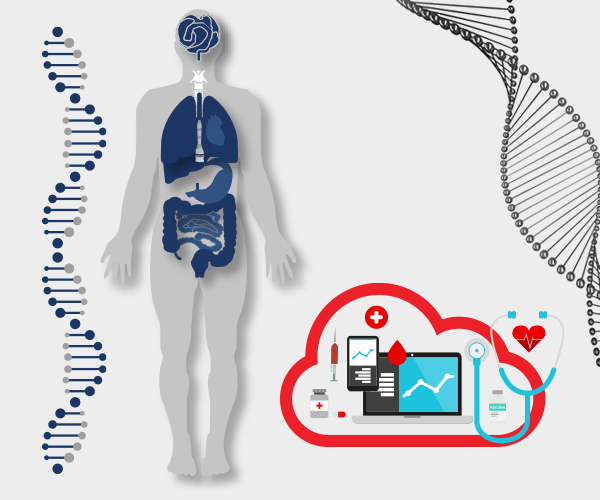
The Master DNA test analyses 325 clinically relevant genetic traits across all major health domains, including cardiovascular, hormonal, neurological, immune, metabolic, nutritional, fitness, behavioural, fertility, and disease-risk markers. This depth allows the test to go far beyond basic ancestry or wellness screening, delivering a truly comprehensive genetic profile that identifies risk, response, and optimisation opportunities across the entire body from a single DNA sample.
Master DNA

Master DNA

Addicitions

Addiction

Alcohol Addiction Learn More

What Exactly Is Alcohol Addiction?
Alcohol addiction, often known as alcoholism, is a physical or mental dependence on alcohol. Large amounts of alcohol, whether consumed on a single occasion or over time, can harm the brain, heart, liver, pancreas, immune system and even cause cancer. Tolerance, reduced control of drinking behaviours and sustained alcohol use despite negative effects can all result from alcohol addiction. Although the precise origin of alcohol addiction is unknown, there is evidence of social, cultural, environmental, psychological and genetic relationships another component for the condition could be the addictiveness of the substance itself.

Cannabis Addiction Learn More

What Precisely Is Cannabis Addiction?
Cannabis addiction or marijuana addiction can develop as a result of excessive cannabis consumption. Cannabis has a direct effect on the central nervous system, causing mild pleasure, relaxation, increased appetite and confusion in time and space. Long-term cannabis use leads to reliance, which may produce withdrawal symptoms when the drug is not used this can pose serious health risks.

Cocaine Addiction Learn More

What Essentially Is Cocaine Addiction?
Cocaine addiction is defined as a need or psychological drive to ingest cocaine regardless of the consequences. Cocaine contains chemicals that cause addictive responses the drug's effect is determined by how cocaine is used and how the body absorbs and processes the compounds. Cocaine's primary function is to magnify the intensity of ordinary joys and long-term cocaine use or abuse can affect key brain circuits that regulate the capacity to experience pleasure. Cocaine overdose can have serious cardiovascular consequences, with cardiac arrest and stroke being the most prevalent causes of death among habitual users.

Heroin Addiction Learn More

What Precisely Is Heroin Addiction?
Heroin addiction is defined as a compulsive need to take the pain reliever heroin. Heroin affects the neurological system by causing the release of dopamine and endorphins, which can result in euphoric experiences in users. Repeated high-dose heroin use can lead to physical dependence.

Nicotine Addiction Learn More

What Actually Is Nicotine Addiction?
Nicotine addiction is defined as an addiction to nicotine-containing products, such as chewing tobacco, pipe tobacco, cigarettes and so on, as a result of the drug nicotine contained in such products. Nicotine has a short-term pleasurable effect on the body and mind and generates the desire for repeated ingestion, eventually leading to dependence. When a nicotine addict quits using nicotine products, the desire to continue persists long after withdrawal symptoms have subsided. With continued use, a person begins to identify various moods, situations and environmental elements with the pleasurable effects of nicotine, leading in an increased desire to consume more.

Opioid Addiction Learn More

What Essentially Is Opioid Addiction?
Opioid addiction is a long-term, chronic condition typified by a compulsive need to consume opioids even when they are no longer medically necessary. Opioids are medications that relieve pain and provide emotions of pleasure opioids can affect brain chemistry, which may lead to drug tolerance. Long-term use may increase the chance of developing opioid addiction. When a drug is stopped after a lengthy period of use, it can create physical and psychological withdrawal symptoms. Opioid abuse is a significant health concern, including the danger of overdose, which can result in unconsciousness or death.

Allergies

Nasal Allergy

Allergic Rhinitis Learn More

What Precisely Is Allergic Rhinitis?
Allergic Rhinitis, often known as Hay Fever, is a symptom of allergies and other diseases. Rhinitis can be seasonal or perennial, depending on the type of allergy that produces it. Allergic rhinitis is distinguished by four key symptoms: excessive mucus in the nasal cavity, nasal itching, sneezing and nasal blockage. When exposed to an allergen, the immune system responds in two stages. Sneezing and mucus filling occur in about 30 minutes in the first stage, followed by nasal obstruction in about 4-5 hours.

Olive Pollen Allergy Learn More

Definition of Olive Pollen Allergy
Allergy is an excessive immune system response to a non-pathogenic chemical. One of the most common causes of seasonal respiratory allergies is olive pollen. When the body comes into touch with olive pollen, it produces immunoglobulin E (IgE) molecules that are unique to the olive pollen. This results in inflammatory changes in the body, most notably hives. Certain genetic differences play a significant influence in the development of olive pollen allergy.

Asthama Learn More

What Exactly Is Asthma?
Asthma is a chronic inflammatory disorder of the lungs' airways. Asthma can be caused by allergic or non-allergic factors. People who live in extremely polluted locations are more likely to get asthma. Non-allergic causes of asthma include activity, drugs, disease and other factors. These triggers force the lungs to tighten, resulting in an exceedingly small airway. Asthma is also characterised by inflammation of the smooth muscles inside the airway, which narrows it even further. Excess mucus in the airway also limits air flow via the bronchioles, making breathing harder for asthmatic patients.

Skin Allergy

Latex Allergy Learn More

What Essentially Is Latex Allergy?
Latex is a synthetic rubber that resembles natural rubber. It is used to make gloves and even clothes. Constant interaction with these products can result in the development of a latex allergy. The immune system of the body responds exaggeratedly to a non-pathogenic trigger known as an allergen in allergic disorders. Latex becomes the allergy in this case. The body creates particular molecules known as immunoglobulin E (IgE) molecules in response to the latex allergen. When exposed to the same allergen again, the inflammatory symptoms will worsen.

Irritant Contact Dermatitis Learn More

Description of Irritant Contact Dermatitis
Irritant contact dermatitis (ICD) is a kind of non-allergic contact dermatitis. It occurs when the skin is exposed to irritants, which destroy the skin's outer protective layer. The irritants cause inflammatory changes by releasing mediators from the cells. Solvents, shampoo, detergents, bleach, airborne pollutants such as sawdust or wool dust, plants, fertilisers and pesticides are examples of common irritants. The severity of dermatitis can range from mild to severe depending on the duration and intensity of the irritating exposure.

Food Allergy

Peanut Allergy Learn More

What Exactly Is Peanut Allergy?
A common food allergy is peanut allergy. It is distinguished by a hypersensitivity reaction to peanut proteins, which results in an immune system overreaction and severe medical symptoms. Peanut allergy can cause a potentially fatal anaphylactic reaction, even if only a little amount of the allergen is consumed.

Hens Egg Allergy Learn More

What Causes Hen's Egg Allergy?
One of the most frequent food allergies is hen's egg allergy. The immune system of the organism overreacts to a specific protein found in the egg. When antibodies recognise these proteins, they transmit a signal to the immune system, causing it to release histamines and other substances that cause inflammation in the body. Certain genetic variants are involved in the development of Hen's egg allergy.

Bone Health & Disorders

Bone Disorders

Paget's of Bone Learn More

What is the bone condition Paget's?
A persistent, non-inflammatory skeletal illness called Paget's disease of the bone can affect one or more bones. Remodelling is the term used to describe the natural process by which the old bone is replaced by the new bone. A deficiency in the remodelling process causes an imbalance that leads to improperly formed, brittle, and weak bone in this illness condition. Other times, it creates bone in the wrong place. Due to a problem with the bone renewal process, a person with Paget's disease may require more time to mend from a fracture. The legs, spine, pelvis, and skull are most commonly impacted.

Avascular Necrosis Learn More

Definition of Avascular Necrosis
In a degenerative bone disorder called avascular necrosis (AVN), also referred to as osteonecrosis, the bone tissue dies from a lack of blood flow. The extent of AVN is determined by the area affected, the size of the affected area, the disease's course, and the bone's ability to heal itself. A lack of blood can cause the bones to fracture, collapse, or even result in dislocation. It typically happens after a wound, radiation therapy to the bones, or fatty buildup in the blood vessels that cut off the bones' blood supply. As the weight-bearing joints, hip bones are frequently impacted.

Joint Disorders

Ankylosing Spondylitis Learn More

What exactly is ankylosing spondylitis?
Ankylosing spondylitis is a type of chronic inflammatory arthritis that mostly affects the spine and causes joint inflammation. This is a chronic ailment, and young adults are often affected by its symptoms, which include back pain and stiffness. Men are reported to be more likely than women to experience it. The pelvic bones may initially experience inflammation before spreading to the spine, other shoulder joints, hips, etc. Ankylosis, the term for the fusing of bones, may also result from the inflammation. Combinations of genetic and environmental variables are probably responsible for the development of ankylosing spondylitis. Variations in the HLA-B27 gene enhance the likelihood of developing ankylosing spondylitis, one of the genes thought to be connected to the condition. The risk based on variations in the ERAP1 gene was demonstrated to be connected with ankylosing spondylitis only in the presence of variation in the HLA-B27 gene, according to a recent study.

Gout Arthritis Learn More

Gout and the complications it causes
Sharp aches in the joints, particularly in the big toe, are a defining feature of the inflammatory arthritis known as gout. Purines, which are naturally present in the body and are also present in some meals, are converted into uric acid through the metabolic process. Hyperuricemia, which results in excessive quantities of uric acid crystals being deposited into the cartilage surrounding the joints, causes excruciatingly painful swelling, redness, and discomfort.

Juvenile Arthritis Learn More

Juvenile Arthritis
A kind of arthritis called juvenile arthritis is frequently diagnosed in children under the age of 16. When the body's own cells and tissues are attacked by the immune system, it happens. This illness produces stiffness and persistent joint discomfort that may linger for months or even years. The susceptibility of a person to environmental factors and situations that may induce juvenile arthritis is increased by specific gene alterations.

Osteoarthritis Learn More

Defining osteoarthritis
Osteoarthritis is a frequent type of arthritis that harms the joints by wearing away the protective tissue that cushions the ends of bones. Osteoarthritis can affect any joint, although it most frequently affects the hands, knees, hips, and spine joints. There are two types of osteoarthritis: primary and secondary. While secondary osteoarthritis is brought on by underlying disorders like trauma or diseases, primary osteoarthritis is not linked to any predisposing trauma or disease.

Psoriatic Arthritis Learn More

The definition of psoriatic arthritis
Psoriatic arthritis is a type of arthritis that typically affects psoriasis patients. The immune system of the body assaults its own cells and tissues in an autoimmune disorder. Skin covered in red, itchy, and silvery scales is a symptom of psoriasis. Psoriatic arthritis, with symptoms like pain and stiffness of the joints, including the fingertips and spine, may develop in them. There are two types of psoriatic arthritis: polyarticular (affecting more than four joints simultaneously) and oligoarticular (affecting four or fewer joints). Psoriatic arthritis may be brought on by specific genetic variants and environmental causes.

Rheumatoid Arthritis Learn More

The definition of psoriatic arthritis
Psoriatic arthritis is a type of arthritis that typically affects psoriasis patients. The immune system of the body assaults its own cells and tissues in an autoimmune disorder. Skin covered in red, itchy, and silvery scales is a symptom of psoriasis. Psoriatic arthritis, with symptoms like pain, and stiffness of the joints, including the fingertips and spine, may develop in them. There are two types of psoriatic arthritis: polyarticular (affecting more than four joints simultaneously) and oligoarticular (affecting four or fewer joints). Psoriatic arthritis may be brought on by specific genetic variants and environmental causes.

Bone Health

Vitamin D, Calcium & Bone Health Learn More

About calcium, vitamin D, and bone health
A fat-soluble vitamin called vitamin D is necessary for calcium absorption and aids in the mineralization of bones. For the preservation of healthy, strong bones throughout the body, calcium is crucial. The sources of vitamin D are sunlight exposure, fortified foods, and foods like fatty fish. A vitamin D deficiency can impair the body's capacity to absorb calcium and leave it susceptible to bone loss or weak bones. Bone remodelling and bone density are also impacted by vitamin D insufficiency. The general health of your bones may be impacted by a number of variables, including age, genetic predisposition, lifestyle choices, and diet.

Bone Mineral Density Learn More

Defining Bone Mineral Density
The amount of minerals present in a specific volume of bone is determined by its bone mineral density. It can give a general notion of the bones' structural soundness at a specific time. The risk assessment of ailments like osteoporosis and bone fractures can be aided by this test. Bones with a higher bone mineral concentration tend to be denser and less likely to break. While a decreased bone mineral content is a sign of a higher risk of fracture.

Cardiovascular

Arrythmia

Atrial Fibrillation Learn More

What Exactly Is Atrial Fibrillation?
Atrial fibrillation is a condition in which the heart rate is erratic and fast, putting the patient at risk of stroke and other cardiac problems.

Brugada Syndrome Learn More

Brugada Syndrome explained
Brugada syndrome is a heart rhythm condition characterised by irregular heartbeats, particularly from the lower chambers of the heart, known as the ventricles. This illness is caused by a malfunction in the channels that direct electrical impulses, causing irregular heartbeats. This irregular beat can be rapid and harmful, resulting in a lack of blood circulation to the body. Brugada syndrome is caused by structural heart defects, chemical imbalances and certain medicines. Brugada syndrome is also caused by genetic differences.

Ventricular Fibrillation Learn More

Definition of Ventricular Fibrillation
Ventricular Fibrillation is a severe kind of arrhythmia or cardiac rhythm disease in which the heart beats with rapid, unpredictable electrical impulses. Because it is a life-threatening condition, it must be addressed right away. While the precise aetiology of ventricular fibrillation is uncertain, it frequently begins with ventricular tachycardia (rapid heartbeat). It happens in persons who have scar tissue from previous heart attacks as well as heart muscle damage from cardiac diseases. Untreated ventricular tachycardia progresses to ventricular fibrillation.

Ventricular Tachycardi Learn More

What exactly is Ventricular Tachycardia?
Ventricular tachycardia is a rapid, abnormal heart rhythm that begins in the heart's bottom chambers (ventricles). Ventricular tachycardia occurs when the heart rate exceeds 100-120 beats per minute and there are three or more abnormal beats in a row. When electrical impulses are disrupted, fast signals are conveyed to the ventricles. This quick heartbeat does not allow enough blood to fill the ventricles, resulting in insufficient blood supply to the rest of the body. Ventricular tachycardia can sometimes cause the heart to stop, which is a life-threatening medical emergency.

Valve Diseases

Stenosis Learn More

Understanding Stenosis
Stenosis is a disorder in which the heart valve narrows, restricting blood flow. The valve flap stiffens or thickens and does not fully open, requiring the heart to work harder to pump blood, leading it to grow and weaken. Aortic stenosis, tricuspid stenosis, pulmonary stenosis and mitral stenosis are the many forms of stenosis. Stenosis can be caused by congenital cardiac abnormalities, rheumatic fever and calcium buildup on the valve. It mainly affects older people, but it can be congenital as well.

Aortic Dissection Learn More

Definition of Aortic Dissection
Aortic dissection occurs when the inner lining of the aorta (the primary artery that drains the heart) tears. Dissection occurs when blood flows between the layers of the vascular wall. This can result in a rupture or an insufficient blood flow to the other organs. There are two kinds of aortic stenosis, depending on which section of the aorta is affected: Type A: The rip is located in the ascending aorta. This is a more prevalent and potentially deadly variant. Type B: A rip in the descending aorta.

Bicuspid Aortic Valve Learn More

What exactly is the Bicuspid Aortic Valve?
Bicuspid aortic valve is a disorder in which the aortic valve, which controls blood flow into the aorta from the heart's left ventricle, has two cusps (flaps) rather than three. The valve does not work properly in this disorder, allowing blood to flow backwards from the aorta into the left ventricle and producing an unnatural sound (murmur) depending on the degree of abnormality. It is a congenital disorder that frequently runs in families. Several studies have also suggested that it could be caused by a connective tissue condition, which could lead to other circulatory system issues.

CVD

Stroke Learn More

Definition Stroke
A stroke most commonly happens in the brain due to a lack of oxygen and blood supply (blocked artery) to the brain (ischemia). As a result, the brain cells (neurons) cannot produce enough energy and finally die. It damages the brain by interfering with energy-dependent processes. Stroke symptoms include sudden numbness or weakness of the face, arms, or legs, loss of vision, difficulty walking, disorientation and severe headaches with no apparent reason.

Angina Learn More

What exactly is Angina ait's effects
Angina is a sign of coronary heart disease that is caused by decreased blood flow to the heart. Inadequate oxygen supply results from a lack of blood supply. In the chest, there is discomfort, agony, heaviness and tightness. There are various types of angina. 1. Stable Angina: This condition is triggered by physical exertion such as exercise or stair climbing. 2. Unstable Angina: This type of angina occurs at rest and is more severe. 3. Microvascular Angina: Chest pain without a blockage of the coronary arteries. 4. Variant angina, also known as Prinzmetal's angina, is a rare but severe condition caused by a spasm in the heart's arteries, which momentarily reduces blood flow and occurs during rest.

Aneurysm Learn More

Aneurysm explained
An aneurysm develops when the arterial wall weakens, resulting in a bulge caused by an increase in blood pressure in the artery. Atherosclerosis, high blood pressure, deep wounds, or infection can all contribute to it. It can sometimes be discovered from birth. Aortic aneurysms (found in the aorta-the main blood vessels that carry blood from the heart), cerebral aneurysms (arteries that supply the brain) and peripheral aneurysms (any peripheral artery) are the three types. It can be fatal if the aneurysm ruptures and causes a stroke.

Long QT Syndrome Learn More

What exactly is Long QT Syndrome?
Long QT Syndrome (LQTS) is an unusual and genetic disorder in which the heart rhythm becomes rapid and disorganised. Arrhythmias (abnormal heartbeat rhythms) can occur suddenly, uncontrollably and dangerously in reaction to exercise or stress. This abnormality in the electrical activity of the heart is referred to as QT prolongation on an electrocardiogram (ECG). LQTS 1, 2 and 3 are the most prevalent kinds of inherited LQTS. Arrhythmias in LQTS 1 can be triggered by mental stress or exercise (particularly swimming). Extreme emotions, such as surprise, can cause arrhythmias in LQTS 2. A sluggish heart rate during sleep can cause arrhythmias in people with LQTS 3.

Myocardial Infarction Learn More

What is myocardial infarction?
A myocardial infarction happens when blood supply to the heart is suddenly reduced. The heart does not receive oxygen if blood is not pumped. If not treated promptly, the heart muscle begins to die. However, if treated immediately, damage to the heart muscle can be reduced or avoided.

Coronary Heart Disease Learn More

Coronary Heart Disease explained and symptom associated
Coronary Heart Disease (CHD), also known as Ischemic Heart Disease, occurs when the heart's blood supply is interrupted due to the buildup of plaque in the coronary arteries, causing inflammation and gradual thickening of the coronary arteries and eventually scarring or furring up the artery lining, resulting in atherosclerosis. CHD is frequently the result of the advancement of CAD and atherosclerosis. CHD symptoms range from chest pain (angina) to shortness of breath. Myocardial infarction (heart attack) is another sign.

Coronary Artery Disease Learn More

Information on Coronary Artery Disease?
The largest blood artery group that supplies blood to the heart is the coronary arteries. Any damage to these blood vessels caused by plaque buildup could result in a decrease in blood supply to the heart, resulting in Coronary Artery Disease (CAD). Symptoms such as shortness of breath and chest pain might occur as a result of reduced blood flow. CAD manifests as stable angina (chest pain), unstable angina, myocardial infarction (heart attack) and sudden cardiac death (SCD), depending on the amount of blockage. A full blockage could result in a myocardial infarction.

Atherosclerosis Learn More

What Exactly Is Atherosclerosis?
Atherosclerosis is a disease in which fat, cholesterol, calcium and other chemicals form plaques in the artery walls, narrowing the opening of the arteries and reducing blood flow, ultimately leading to cardiovascular disease. When these plaques break, they produce a blood clot, limiting or even blocking the flow of oxygen-rich blood to organs and other regions of the body.

Cardiomyopathy

Dilated Cardiomyopathy Learn More

Definition of Dilated Cardiomyopathy
The most prevalent kind of cardiomyopathy is dilated cardiomyopathy. The muscle of the heart's primary pumping chamber (the left ventricle) becomes dilated and weakened in this condition. As a result, the heart is unable to deliver enough blood to the rest of the body. Later on, the right ventricle dilates and becomes dysfunctional. Dilated cardiomyopathy can be caused by a variety of disorders such as various cardiac diseases, alcohol consumption, diabetes, thyroid, viral infections of the heart, or certain medicines.

Hypertrophic Cardiomyopathy Learn More

Defining Hypertrophic Cardiomyopathy
Hypertrophic Cardiomyopathy is a disorder that causes the heart muscle to thicken abnormally. This reduces the ability of the heart to pump blood. It causes rigidity in the heart's lower chambers (ventricles), valve changes (mitral valve) and cellular alterations. There are two types of hypertrophic cardiomyopathy: obstructive hypertrophic cardiomyopathy (in which the septum between the ventricles enlarges and restricts blood flow out of the heart) and non-obstructive hypertrophic cardiomyopathy (in which blood flow is not significantly restricted). While hypertrophic cardiomyopathy is primarily inherited, it can also be caused by high blood pressure or ageing.

Venous Thromboembolism

Venous Thrombosis Learn More

Explaining Venous Thrombosis?
Venous thrombosis is a disorder in which a blood clot forms in a vein and restricts blood flow. Venous Thrombosis Types: 1. Superficial Venous Thrombosis- a blood clot that forms near the skin's surface. 2. Deep Vein Thrombosis- a blood clot that forms in a deep vein in the body, usually in the leg, thigh, or pelvis. The venous thrombus may disintegrate, gather extra platelets or fibrin and produce vessel obstruction, or it may dislodge and migrate to another place, producing catastrophic issues such as pulmonary embolism. Certain genetic variants may enhance the risk of venous thrombosis.

Pulmonary Embolism Learn More

What Exactly Is Pulmonary Embolism?
The blocking of arteries in the lungs caused by blood clots is known as pulmonary embolism. These blood clots occur in many regions of the body, most notably the arms or legs (in the case of deep vein thrombosis). These clots travel through the circulatory system, reach the lungs and create blockage of the lungs' tiny capillaries, affecting blood circulation to that area of the lungs. Due to a lack of blood and oxygen, the lungs may cease to function, causing lasting damage to the organ. The symptoms may vary depending on the extent of the lung involvement and the size of the clot.

Terminal Heart Disorders

Heart Failure Learn More

Definition of Heart Failure
Heart failure is the inability of the heart to adequately pump blood to the body. The heart muscles are either injured and weaker or stiffened. The lower chambers of the heart (the ventricles) do not fill adequately, resulting in ineffective pumping. Heart failure can also be caused by illnesses such as coronary heart disease, in which the arteries grow narrow and hypertension. Heart failure can be classified as left-sided, right-sided, diastolic (the heart is stiff and does not fill adequately), or systolic (the heart is weak and does not pump blood effectively).

Sudden Cardiac Death Learn More

What Exactly Is Sudden Cardiac Death?
The unexpected death caused by the heart abruptly and unexpectedly stopping beating is known as sudden cardiac death. When this happens, blood flow to the brain and other essential organs is cut off. An irregular heartbeat is caused by an electrical defect in the heart. The most common cause of sudden cardiac death is an irregular heart rhythm (arrhythmia). Cardiomyopathy, coronary artery disease, heart attack, valve disease, or inherited heart disease can all cause sudden cardiac death.

Inflammatory Diseases

Kawasaki Disease Learn More

Kawasaki disease explained
Kawasaki disease is a mucocutaneous lymph node disorder that primarily affects babies and young children and causes inflammation of the arteries, veins and capillaries. It primarily affects the child's mucous membranes in the mouth, nose and throat. Although around 80% of Kawasaki illness patients are under the age of five, older children and teenagers may also be affected, albeit infrequently. It is a major cause of acquired heart disease in youngsters.

Infective Endocarditis Learn More

Definition of Infective Endocarditis
Endocarditis is an inflammation of the endocardium, the inner lining of the heart chambers and valves. Infective endocarditis is inflammation of the endocardium induced by an infection. This illness is typically caused by streptococcal or staphylococcal bacteria that enter the body by various areas such as the mouth, skin, respiratory system and urinary tract. If left untreated, it can lead to valve deterioration, heart failure, stroke and even death. Fungi and other microbes can occasionally cause infection.

Dyslipedemia

Hypertriglyceridemia Learn More

Defining hypertriglyceridemia
Hypertriglyceridemia is defined as an abnormally high level of triglycerides (a type of lipid) in the bloodstream. Triglycerides are a substantial component of human body fat and an important source of energy for our cells. Hypertriglyceridemia may be a symptom of underlying metabolic abnormalities and it has been linked to an increased risk of heart disease. Hypertriglyceridemia is defined as a triglyceride level greater than 150 mg/dl.

Hypercholesterolemia Learn More

The definition of hypercholesterolemia
A high blood cholesterol level is referred to as hypercholesterolemia. Cholesterol is a waxy molecule found in blood that is necessary for the formation of healthy cells nevertheless, high amounts of cholesterol can increase the risk of heart disease. High cholesterol causes fatty deposits to form in the blood vessels, making it difficult for blood to circulate through the arteries. These deposits can rupture unexpectedly and create a clot, resulting in a heart attack or stroke.

Vascular Disease

Hypertension Learn More

What Exactly Is Hypertension?
Hypertension is characterised by persistently elevated blood pressure. Hypertension is caused by a complicated interaction between genes and environmental factors. high salt in the diet, high body weight, smoking and excessive alcohol intake are all risk factors. Uncontrolled hypertension can result in a heart attack, stroke and other health issues.

Circadian Rhythm

Chronotype

Morningness-Eveningness Learn More

What is the difference between Morningness and Eveningness?
The timing of peak physical activity, alertness and other physiologic activities within the 24 hour day is referred to as chronotype or diurnal preference. This preference is determined by the body's internal circadian clock, also known as the body clock. The'morning' chronotype refers to those who prefer earlier bedtimes and waking hours and who do activities at their highest levels earlier in the day. While the chronotype of those who prefer later bedtimes and waking hours, exhibiting the highest degree of activity and alertness later in the day is 'evening'.

Sleep Disorders

Insomnia Learn More

What Precisely Is Insomnia?
Insomnia is a frequent sleeping problem in which a person has difficulty falling asleep, staying asleep, or both. The individual may be getting insufficient or poor-quality sleep. Insomnia can be acute (temporary) or chronic (permanent). Acute insomnia is widespread and can linger for days or weeks. It is usually caused by a stressful incident. Chronic insomnia, on the other hand, happens at least three evenings each week for at least three months. Most cases of persistent insomnia are secondary, meaning they begin as a result of another problem.

Narcolepsy Learn More

What Exactly Is Narcolepsy?
Narcolepsy is a type of persistent sleep disorder that causes daytime sleepiness and fits of sleep. Affected people can fall asleep at any time of day, even while doing other things. Narcolepsy manifests itself in a variety of ways, including sleep paralysis, excessive drowsiness, hallucinations and, in rare cases, cataplexy - a rapid loss of muscle control caused by powerful emotions such as dread or laughing. Although symptoms may occur in childhood or adolescence, many patients receive a clear diagnosis later in life. Although there is no cure for narcolepsy, certain drugs and behavioural therapy can help patients lead normal and productive lives.

Obstructive Sleep Apnea (OSA) Learn More

Definition of Obstructive Sleep Apnea
Obstructive Sleep Apnea (OSA) is a sleep disorder in which breathing regularly stops and starts during sleep. This occurs when the throat muscles relax intermittently during sleep, obstructing the airway. When the airway narrows, breathing becomes insufficient for 10 seconds or more, lowering blood oxygen levels. The brain detects a problem with breathing and awakens the individual to reopen the airway. Snoring is a symptom of obstructive sleep apnea.

Restless Leg Syndrome Learn More

Restless Leg Syndrome Explained
Willis-Ekbom illness is another name for Restless Legs Syndrome (RLS). It is a neural system disorder that causes a strong desire to move one's legs and is frequently accompanied by unpleasant sensations in the legs. RLS is categorised as a sleep and movement disorder. However, it is best described as a neurological sensory condition in which symptoms are generated within the brain. RLS can cause weariness and impede an individual's ability to conduct everyday activities, depending on the severity of the symptoms.

Sleep Characterisitcs

Sleep Duration Learn More

How long should you sleep?
Sleep allows the body and mind to replenish and regain their capacities. A regular person should sleep between 7 and 9 hours every day. Babies and young children, on the other hand, have a larger sleep span, but older people typically get 7 to 8 hours of sleep. However, environmental factors such as caffeine use, contact with electronic devices before bedtime, irregular sleep schedules and so on may have an impact on sleep length.

Sleep Latency Learn More

What Exactly Is Sleep Latency?
Sleep latency, also known as sleep onset latency, is the amount of time it takes for a person to go asleep after waking up. Sleep latency can vary from person to person. It is also one of the measures of an individual's sleep quantity and quality.

Dental Diseases

Neuromuscular Disorders

Bruxism Learn More

Bruxism Explained
The condition known as bruxism causes teeth grinding or jaw clenching. It may result from a genetic, psychological, or physical origin.
Examples of bruxism include
1. Awake bruxism, which can be brought on by feelings such as stress, worry, frustration and anger.
2. Sleep bruxism may be an activity that involves biting while you sleep that is connected to arousals during sleep and may evolve into a habit or serve as a coping mechanism. It could be related to crooked teeth, teething, earaches, stress, or other sleep disorders like sleep apnea and snoring. It frequently arises in childhood before eventually going away.

Infectious Disease

Dental Caries Learn More

Defining Dental Caries
Dental caries, often known as tooth decay, is the demineralization of tooth's organic material and hard tissues (enamel). This happens as a result of the acids created when the food debris on the tooth surface hydrolyzes. Over a limited amount of time, the enamel starts to deteriorate and the tooth loses its capacity to increase the calcium and phosphate content of the teeth (remineralization), which leads to internal decay. If it spreads to a tooth's nerve or root, it may become uncomfortable and make eating and sleeping difficult because of the pain.

Periodontitis Learn More

Understanding Periodontitis
Inflammation of the gums and other tooth-supporting tissues is known as periodontitis. If gingivitis is not treated, periodontitis develops. Plaque, a yellowish biofilm that forms on the teeth, promotes bacterial development. If the plaque is not eliminated, it hardens and develops into calculus or tartar. The plaque that harms the tissues around the teeth and produces gingivitis. Pockets between the gums and teeth may develop as gingivitis worsens, where bacteria can colonise. The bone and connective tissue that retain the tooth are destroyed by bacterial toxins and immune system reactions, which causes the tooth to loosen and fall out.

Developmental Disorders

Malocclusion Learn More

Explaining Malocclusion
The misalignment of the teeth in both dental arches is known as malocclusion. It can be brought on by a cleft palate, using a pacifier after the age of three, thumb sucking, a jaw injury, poorly fitted dental implants, tumours, etc. Class 1 malocclusion is defined as when the upper teeth barely overlap the lower teeth. 2. Retrognathism or overbite is a class 2 malocclusion in which the upper jaw and teeth substantially overlap the lower jaw and teeth. 3. Class 3 malocclusion, often known as prognathism or an underbite, is caused by the lower jaw protruding forward and overlapping the upper jaw and teeth.

Tooth Agenesis Learn More

Recognising tooth agenesis
An individual who suffers from tooth agenesis is without teeth. Ectodermal dysplasia, a disorder that affects the growth of the teeth, nails, hair and sweat glands, is frequently linked to it. Various types of tooth agenesis are categorised (all are genetic in origin): 1. Anodontia, a disorder that typically occurs as a component of a syndrome, is the absence of entire teeth. 2. Hypodontia, in which 1-5 teeth are missing. 3. Oligodontia, or having fewer than six teeth. Although either the primary or permanent sets of teeth may be involved, the permanent set is usually involved. Following a particular pattern of missing teeth, tooth agenesis occurs the kind of missing teeth must also be taken into account.

Dental Fluorosis Learn More

Defining Dental Fluorosis
Dental fluorosis is a disorder where teeth develop flimsy white lines. When the tooth forms and the affected child has consumed too much fluoride, it happens. Fluoride supplements taken in excess or improperly used fluoride-containing dental products like toothpaste and mouthwashes can result in dental fluorosis. Fluorosis cannot form after teeth break through the gums. In severe situations, the enamel surface may have abnormalities and pits may be evident in addition to yellow to dark brown stains on the teeth.

Developmental Defects of Enamel Learn More

What are Enamel Developmental Defects?
Conditions that influence the structure of the enamel during its formation are referred to as developmental defects of the enamel. The tooth enamel deviates from its regular translucence and becomes more opaque. It can be divided into two categories: 1) Hypomineralization (which affects the quality) and 2) Hypoplasia (which affects the amount of enamel). Hypomineralization causes the enamel to appear white, yellow, or brown and hypoplasia causes the enamel to be thinner and develop pits or grooves. It affects occlusal function, early childhood caries, aesthetics, dental sensitivity, erosion and provides a favourable environment for the growth of cariogenic bacteria.

Temporomandibular Joint Disorder Learn More

What Is Temporomandibular Joint Disorder?
The temporomandibular joint, which joins the jaw to the skull, permits jaw mobility for speaking and eating. The condition of the jaw muscles and nerves, known as temporomandibular joint disorder, is primarily brought on by an accident that causes inflammation of the joint. The problems may result in pain in the face, tenderness at the joint and difficulties moving the jaw. Additionally, it can result in bruxism, nerve irritation, headaches, ear tube malfunction and, in rare circumstances, temporomandibular joint dislocation. Internal derangement, degenerative alterations, or myofascial changes can all occur depending on the type.

Inflammatory Diseases

Gingivitis Learn More

Description of Gingivitis
A kind of periodontal disease called gingivitis produces gum inflammation that, if unchecked, can lead to periodontitis or tooth loss. It typically happens as a result of inadequate dental hygiene, which promotes the growth of plaque. Gum inflammation is caused by the poisons that the bacteria in plaque release. It triggers an immunological reaction that might result in gingival loss, gum swelling and bleeding.

Peri-Implantitis Learn More

What exactly is Peri-implantitis?
Peri-implantitis is an inflammation and degeneration of the tissues and bony structure surrounding the dental implants. The loosening of the gums around an implant causes bacterial biofilms to form, which causes peri-implantitis. Increased pocket formation, bone resorption, poor osseointegration (the connection between living bone and load-bearing implant) and pus production are all symptoms of this progressive and irreversible disease. peri-implantitis may cause bone resorption. It may happen as a result of subpar implants, a lack of tissue connection to the implant, or subpar bone on which the implant is positioned.

Oral Lichen Planus Learn More

Oral Lichen Planus Explained
A chronic inflammatory disorder known as oral lichen planus affects the mucous membrane of the mouth and manifests as open ulcers with red and swollen tissue as well as whitish, lacy paths. It is an immunological illness that develops as a result of the white blood cells attacking the inner lining of the mouth. It is not communicable. It could be brought on by a mouth injury, an allergy to a certain drug, dental implants, infections, etc. It may also be linked to dietary deficiencies and cause difficulties in eating and drinking. The risk of oral cancer in those affected is very high.

Recurrent Aphthous Stomatiti Learn More

How do you define recurrent aphthous stomatitis?
Recurrent aphthous stomatitis (RAS) is an autoimmune condition characterised by recurrent aphthous lesions, often known as canker sores, in the oral mucosa. It is primarily linked to diseases like inflammatory bowel disease, Behcet syndrome, Reiter syndrome, vitamin deficiency, etc. It is a T cell-mediated disease in which different cytokines are secreted. These cytokines, particularly tumour necrosis factor (TNF-), are overexpressed and harm the oral mucosa by causing cytotoxicity. RAS can induce painful lesions that make it difficult to swallow, which can cause dehydration and nutritional deficiencies. It could cause the mouth's inner lining to scar.

Dermatology

Morphology & Texture

Acne Learn More

Defining acne
One of the most frequent dermatological disorders is acne, or acne vulgaris. It affects the pilosebaceous unit, which consists of the hair follicle, hair shaft and sebaceous gland. It primarily affects the face and trunk and is characterised by comedones, papules, pustules, nodules, cysts and/or scarring. Sebum production is raised as a result of hormonal changes, which also produce acne of variable severity.

Alopecia Learn More

Understanding Alopecia
The skin disorder known as alopecia is characterised by unexpected hair loss. Alopecia areata (AA) and androgenic alopecia (AGA) are the two kinds of alopecia. AA is a skin-specific, T cell-dependent autoimmune illness that causes hair loss. Hair loss and a receding hairline are features of AGA. Although it is not understood how it causes hair loss, it is thought to be brought on by an increase in the activation of androgen receptors in hair follicles. However, its connection to conditions linked to elevated levels of androgen, including polycystic ovary syndrome (PCOS) in women and prostate cancer and coronary heart disease in men.

Striae Distensae Learn More

Description of Striae Distensae.
Stretch marks, also known as striae distensae, are a type of skin scarring that appears as erythematous (red), violaceous, or hypopigmented linear striations (means a series of ridges, furrows, or linear marks) when the dermis (the inner layer of skin) is stretched as a result of a rapid change in shape from weight gain or growth. Strates rubra and striates alba are the two main varieties of striae distensae. Striae rubra are striae distensae that are acute in nature and have an erythematous (red) to violaceous colour. Striae alba, which first seems hypopigmented, atrophic and scar-like, develop from striae rubra over time.

Autoimmune Disorders

Pemphigus Foliaceus Learn More

Understanding Pemphigus foliaceus
An acquired autoimmune blistering condition called Pemphigus foliaceus (PF) happens when the immune system generates antibodies against the skin and mucous membranes. Blisters, wounds and crusty areas on the skin and mucous membranes are some of its hallmark symptoms. PF typically manifests on the scalp, upper chest and back. Idiopathic PF, which affects everyone and Fogo Selvagem, which affects people from specific geographic areas, are the two main kinds of PF.

Psoriasis Learn More

Defining psoriasis
An autoimmune skin condition called psoriasis causes skin cells to develop more quickly. Small scaling areas and red skin patches coated in thick, silvery scales are its defining features. The overproduction of healthy skin cells as a result of an overactive immune system's T-cell (immune cell) attacks on healthy skin cells causes scaly patches, redness and occasionally pus to appear on the skin. Cardiovascular illnesses, obesity, diabetes, metabolic syndrome, Inflammatory Bowel Disease (IBD) and psoriatic arthritis are additional psoriasis-related ailments that shorten life expectancy.

Vitiligo Learn More

Identifying vitiligo
Vitiligo is an autoimmune condition that results in milky white areas on the skin and is brought on by the death of melanocytes, the cells that produce colour. Segmental and non-segmental vitiligo are the two different kinds. The most prevalent type of vitiligo, non-segmental, is distinguished by symmetrical, bilateral white patches. Segmental vitiligo lesions are distinguished by an early age of onset and a unilateral segmental or band-shaped distribution.

Chronic Inflammatory Condition

Eczema Learn More

Understanding eczema
Different medical diseases that cause skin inflammation are referred to as eczema. The most typical kind of eczema is called atopic dermatitis (AD). It is a chronic, relapsing inflammatory skin condition that is frequently linked to asthma, allergic rhinitis and food allergies. Early childhood is when AD typically first appears and those with a family history of the disorder are more likely to develop it. Extremes in temperature are not well tolerated by AD patients and can cause sweating, dry skin and itchy skin. Wool has been discovered to be a known AD trigger in children.

Photoaging

Sun Spots Learn More

Defining sun spots
Sunspots are flat, brown spots that appear on exposed skin, such as the backs of the hands, shoulders and face. They are harmless and non-cancerous. Except for cosmetic reasons, they do not require treatment or offer any health risks. These areas of discolouration have a tan or brown appearance. Although some people may get them earlier or later in life, depending on how much sun exposure they have had, they often begin to show around the age of 40.

Sunburns Learn More

Sunburn and damage it causes
The skin's response to excessive UV radiation exposure, whether from natural or artificial sources, is sunburn. Red, swollen patches appear on the exposed skin as a symptom. Sunburn development is influenced by the strength of the ultraviolet rays and a person's ability to generate melanin genetically. Low melanin levels in fair-skinned individuals allow UV rays to get through the top layer of skin and directly damage DNA, inducing a number of defence responses.

Tanning Ability Learn More

What exactly is Tanning ability?
Your skin's ability to tan is a defence mechanism against excessive UV exposure. The skin produces more melanin and distributes it to the area that is damaged, protecting the DNA from further deterioration. People who are adept at tanning have a lower chance of developing skin cancer and can develop a light-coverage natural tan. Red or blond hair, blue eyes and light complexion all affect a person's ability to tan. The risk of skin cancer is considerably increased by excessive UV exposure and a reduced ability to tan.

Xeroderma Pigmentosum Learn More

Xeroderma pigmentosum (XP) is characterised by excessive sensitivity to sunlight, resulting in sunburn, pigment changes in the skin and a significantly increased incidence of skin malignancies. The skin and eyes are both impacted by this uncommon hereditary condition. Skin cancer and other skin issues are more likely in people with XP due to their higher susceptibility to ultraviolet (UV) light from the sun and other causes. Mutations in one of the many genes involved in repairing DNA damage brought on by UV radiation are what lead to the illness. Due to the autosomal recessive nature of the disorder's inheritance, a person must inherit two copies of the defective gene-one from each parent-in order to be affected.

Fitness Genomics

Endurance Related

Endurance Learn More

What Exactly Is Endurance?
Endurance is the body's ability to maintain physical activity for an extended amount of time. A high endurance capacity indicates that a person can engage in mild to moderate-intensity activities for an extended period of time with minimal discomforts such as dyspnea and weariness. Aerobic capacity, fat oxidation, aerobic metabolism, lactate threshold, exercise economy and the percentage of slow twitch muscle fibres all influence endurance performance. Genetics have a significant impact in these parameters, determining whether or not an individual is adapted for endurance sports.

Aerobic Capacity Trainability Learn More

What exactly is Aerobic Capacity Trainability and energy production.
Aerobic capacity, commonly known as VO2 max, refers to our body's maximal ability to transport and use oxygen during exercise. During aerobic workouts, oxygen is utilised to break down fuel stores for energy production and its demand rises as exercise intensity rises. Appropriate training increases aerobic capacity, which directly corresponds to enhanced performance. However, genetics governs the extent and ease with which these advancements can be produced. People with favourable genetics find it quite easy to develop their aerobic capacity, whereas others may struggle. The trainability of aerobic capacity is regulated by many genes involved in cellular oxygen supply and utilisation.

Lactate Threshold Learn More

What Does Lactate Threshold Mean?
The body produces lactate during anaerobic glycolysis. The aerobic metabolic pathway uses this lactate as a fuel to generate energy. During vigorous exercise, however, the aerobic system is unable to use up all of the lactate created by the anaerobic system, resulting in a rise in lactate concentration. This is directly related to muscle weariness. As a result, the lactate threshold is defined as the intensity of exercise at which the concentration of lactate begins to grow exponentially, causing exhaustion. Exercise intensity below the lactate threshold can be performed without noticeable unpleasantness or exhaustion. As a result, a higher lactate threshold leads to improved performance since more intense activity can be performed.

Injury Risk

Concussion Learn More

What Exactly Is a Concussion?
Concussion is defined as a brief state of unconsciousness or confusion produced by a blow to the head or rapid shaking of the head and body. It has a brief effect on brain function and may cause temporary cognitive issues. Some symptoms may develop right away, while others may appear days later. Even after the symptoms of a concussion have subsided, the neurons in the brain remain sensitive for some time and another concussion during this period of sensitivity may result in permanent damage to those neurons. As a result, even when the symptoms have subsided, it is recommended that you rest for an extended period of time. Genetics influence an individual's risk of concussion and the sensitivity period following a concussion.

Anterior Cruciate Ligament Injury Learn More

Definition of Anterior Cruciate Ligament Injury
The Anterior Cruciate Ligament (ACL) is one of four major ligaments that connect the thigh bone to the shin bone at the knee joint. The ACL performs various roles, including providing stability to the knee joint and assisting in its function. It keeps the shin bone from migrating forward too far in relation to the thigh bone. It inhibits excessive shin bone internal rotation and knee hyperextension beyond the point of maximal knee extension. Finally, it protects the knee against excessive sideways forces, such as those encountered when a rugby player is tackled from the side. ACL injuries most typically occur during activities involving rapid stops, jumping, or changes in direction that are executed incorrectly. An ACL tear is one of the most common knee injuries, necessitating extensive surgery and a lengthy rehabilitation period of 6-9 months. As a result, determining a person's risk of ACL injury is critical before engaging in activities that may cause ACL damage.

Muscle Injury Learn More

What Exactly Is Muscle Injury?
Exercise puts strain on the muscles, which causes them to deteriorate. Low-level muscle injury is required for muscles to develop and adapt to workout stimulus. However, if a muscle is overly injured, it might result in muscle strains. A strain is a contraction-induced injury in which muscle fibres rupture as a result of significant mechanical stress. Muscle bruising, neuromuscular problems and cramping are examples of other muscle injuries. Muscle injuries cause pain, functional loss of the concerned muscle and, as a result, incapacity to do the specific exercise/sport. A person's genetic profile can influence their proclivity for muscular injury.

Rotator Cuff Injury Learn More

What Exactly Is Rotator Cuff Injury?
The rotator cuff is a collection of four tendons that serve to stabilise the shoulder joint. Its purpose is to maintain the upper arm bone's head firmly within the joint's socket. Rotator cuff injury is caused by a traumatic incident or repetitive shoulder joint movements, as seen in many sports and workouts. This can result in a small strain injury, a partial or total tear of the tendons and loss of shoulder joint function. It causes a dull aching in the shoulder and pain when moving the shoulder joint. A person's genetic profile can influence their proclivity for rotator cuff injury.

Tennis Elbow Learn More

What Is Tennis Elbow and how it effects you?
Tennis elbow, also known as lateral elbow tendinopathy, is a painful and tender ailment affecting the outer region of the elbow. It happens when the tendons in the elbow get overworked, which is commonly caused by repetitive wrist and arm motions. It is typically seen in those who participate in racquet sports. Tennis elbow can, however, be caused by other occupations that require similar repeated motions. A repetitive motion, such as grasping a racket during a swing, can strain the muscles and stress the tendons. This continual yanking can eventually result in microscopic tears in the tissue, resulting in damage.

Achilles Tendinopathy Learn More

What exactly is Achilles Tendinopathy?
The Achilles tendon connects muscles in the lower leg's back to the heel bone. It is the human body's thickest tendon. Achilles tendinopathy is an overuse ailment that occurs frequently, particularly in those who engage in running and jumping activities, as a result of repetitive movement at the Achilles tendon. Other causes that can cause it include trauma, rheumatoid arthritis, wearing high heel shoes and certain drugs. Symptoms range from an aching or pain and swelling in the ankle area to a burning feeling that encompasses the entire joint. The discomfort associated with this illness is typically worse during and after exertion and the tendon and joint area can become stiffer the next day as swelling restricts tendon movement.

Flexibility

Flexibility Learn More

What exactly is flexibility?
The capacity to move through a joint's whole range of motion is referred to as flexibility. Gender, age, exercise levels, temperature and the suppleness of the tissues around a joint, particularly ligaments, tendons and muscles, all influence flexibility. Flexibility improves performance when participating in sports or exercising. It also improves the level of comfort in everyday movements including bending, walking and lifting. The protein collagen regulates the elasticity of the tissues involved, providing a hereditary relationship to flexibility.

Power Related

Power Learn More

What Exactly Is Power and how it play a role in your body?
Power is the ability of the muscles to generate substantial forces at a rapid rate, as seen during high-intensity, short-duration exercises. Jumping, powerlifting, sprinting, bodybuilding and short-distance swimming all make use of the muscle's power-generation capabilities. In general, more power production immediately equates to better performance in such tasks. Genetics play a significant effect in an individual's power generation capacities and hence determine whether an individual is fit for power activities or not.

Exercise Response

Fat Loss Response to Exercise Learn More

What Exactly Is Fat Loss? Exercise Reaction
In human bodies, fat is deposited as triglycerides in adipose tissues. Triglycerides are broken down into free fatty acids during exercise and delivered to the muscles, where they are oxidised to generate energy. This procedure results in fat loss. Regular exercise helps to control weight by oxidising fat and improving metabolism. Losing weight promotes a favourable body image while also lowering the chance of health problems such as diabetes, heart disease, arthritis, high blood pressure and cancer. The efficiency with which people respond to exercise in terms of breaking down triglycerides, transporting free fatty acids and then oxidising these fatty acids is determined by their heredity.

Muscle Damage & Recovery Learn More

Definition of Muscle Damage and Recovery
Muscle injury occurs as a result of exercise. While severe muscle injury is harmful, some muscle damage is necessary for growth and adaptation to exercise stimulus. Muscle damage triggers an inflammatory response, which heals the muscle while also promoting development and adaption. Muscle pain is a symptom of inflammation. Soreness is the sensation of discomfort and stiffness while using a muscle, which makes daily activities difficult. Excessive strain on a painful muscle can result in injury. As a result, it is critical to understand an individual's proclivity for muscle injury after a workout, as well as the rate of recovery from that damage, as these factors will define the intensity of workouts and the appropriate length of rest that should be taken between two workouts. The interplay of multiple genes and their variants governs muscle injury and healing.

Strength & Muscle Building Learn More

What is the difference between resistance training and muscle building?
Skeletal muscles, which can generate force, are in charge of the body's movement. Muscles are the primary powerhouse for fat burning and glucose absorption. Larger muscles require more energy and, as a result, burn more calories, resulting in fat loss and weight management. Muscles also aid in the prevention of diabetes by increasing insulin sensitivity and so protecting against insulin resistance. Increasing muscle mass also results in a more toned appearance, which leads to a more positive body image and self-confidence. Other advantages of greater muscle mass include a lower chance of injury, improved immunity, enhanced strength and energy, a lower risk of arthritis and improved metabolic efficiency. Muscle building is accomplished by combining a weight training plan with a caloric surplus diet high in protein. However, muscle mass development is determined by certain genes. The genetic profile of a person can suggest how readily and to what extent a person can gain muscle mass through training.

Gastrointestinal Disorders

Digestive Tract Disorders

Celiac Disease Learn More

Defining celiac disease
Gluten, which is present in wheat, barley and rye, triggers an immunological response in people with celiac disease, an autoimmune illness. It causes destruction to the villi that line the small intestine's interior, which impairs the absorption of vitamins, minerals and other nutrients. Child development and growth may be hampered by malnutrition. It can cause malnutrition, low bone density, infertility, neurological problems, or some types of cancer if left untreated.

Crohn's Disease Learn More

Crohn's Disease and how it affects you
Inflammatory bowel illness includes Crohn's disease. It might result in ulcers, edoema, or inflammatory reactions in the body's digestive system. It can affect any area of the digestive system, from the mouth to the anus and varies from person to person. It typically results from the body's immune system being activated by a bacterium, virus, or other environmental causes. Signs and symptoms can range from mild to severe, can be painful and incapacitating and occasionally they can cause complications that pose a serious risk to one's life.

Ulcerative Colitis Learn More

Description of Ulcerative Colitis
Inflammation and ulcers in the digestive tract are symptoms of the inflammatory bowel disease (IBD) known as ulcerative colitis. It causes ulcers and inflammation in the digestive tract and affects the rectum, which is the end of the colon and the innermost lining of the large intestine (colon). These sores or ulcers are able to bleed and exude pus. The immune system that battles the incoming virus attacks the digestive tract's cells as a result of an aberrant immunological reaction. Debilitating effects from ulcerative colitis can occasionally be fatal. Colon cancer can develop after years of ulcerative colitis.

Barrett Esophagus Learn More

What exactly is Barrett's Oesophagus?
Barrett's oesophagus, also known as Barrett's syndrome, is a condition in which the esophageal tissue changes into tissue similar to the intestinal lining and thickens and turns red. This occurs mostly as a result of the lower esophageal cells being exposed to stomach acid, which is typically seen in long-term gastroesophageal reflux disease (GERD), causing damage to those cells.

Irritable Bowel Syndrome (IBS) Learn More

Irritable Bowel Syndrome (IBS): What it is and symtoms
The large intestine is impacted by the illness known as irritable bowel syndrome, or IBS. It is a persistent condition that results in cramping, bloating, diarrhoea and/or constipation. The contributing aspects to this disorder may include altered intestinal microbiota, visceral hypersensitivity, inflammation and gastrointestinal dysmotility. The majority of symptoms can be controlled by altering food and lifestyle.

GI Accessory Disorders

Cirrhosis Learn More

Cirrhosis affects and causes
Cirrhosis is a side effect of liver illness. It is a late stage of fibrosis, an irreversible scarring of the liver. It is brought on by viral illnesses like hepatitis or alcoholism, which harm the liver cells. There are metabolic issues when the liver's cells are damaged and unable to function properly. This eventually causes cirrhosis and other serious illnesses that can be fatal. The liver damage might be limited with an early diagnosis.

Gallstones Learn More

Defining Gallstones
Gallstones are the result of digestive fluid depositing in the gallbladder and becoming solid. A little organ located beneath the liver is the gallbladder. The gallbladder contains digestive fluids that are discharged into the small intestine, such as bile, which aids in the breakdown of lipids. The amount and size of gallstones might differ. The two forms of gallstones depend on their chemical makeup. Due to the presence of bilirubin in the bile, pigment stones are brown or black in colour as opposed to cholesterol stones, which are yellow in colour.

Pancreatitis Learn More

What exactly is Pancreatitis?
Pancreas inflammation is a medical ailment known as pancreatitis. This happens when the pancreas activates the digestive enzymes before they are released into the small intestine. Inflammation results from this irritating and destroying pancreatic cells. As a result, the pancreas's function is compromised, leading to digestive issues and an imbalance in the hormones that control blood sugar (glucose) levels. It can be acute or chronic in nature, depending on the severity and when it starts.

Primary Biliary Cholangitis Learn More

How do you define primary biliary cholangitis?
The bile ducts in the liver are gradually harmed by primary biliary cholangitis, formerly known as primary biliary cirrhosis. The small intestine receives bile, which is created in the liver, via the duct, where it aids in digestion and helps the body get rid of cholesterol, poisons and worn-out red blood cells. Bile is stored in the liver as a result of damaged bile ducts, which causes cirrhosis, an irreversible scarring of the liver tissue that impairs liver function.

Primary Sclerosing Cholangitis Learn More

Defining Primary Sclerosing Cholangitis
Primary sclerosing cholangitis is a bile duct disorder. From the liver, where it is created, through the gallbladder, where it is stored and finally, to the small intestine, where it aids in the breakdown of fats, bile is transported via bile ducts. Cholangitis, an inflammation of the bile ducts, causes scarring or sclerosis and constriction of the ducts. Bile accumulates in the liver as a result of its inability to be discharged into the gallbladder and small intestine, resulting in serious liver damage.

Non-Alcoholic Fatty Liver Disease Learn More

Non-Alcoholic Fatty Liver Disease
Non-alcoholic fatty liver refers to a range of conditions where extra fat builds up in the liver of individuals who drink very little to no alcohol. As it advances, it could become severe and cause cirrhosis, fibrosis, inflammation and liver failure. Overweight, insulin resistance, excessive blood sugar and lipid levels are all associated with non-alcoholic fatty liver.

Haematological Disorders

Red Blood Cell Disorder

Aplastic Anemia Learn More

Defining Aplastic Anaemia
Aplastic anaemia is an uncommon but deadly blood condition that develops when the bone marrow's stem cells are harmed. The spongy portion of the bone called the bone marrow is where red, white and platelet-producing blood cells are made. Aplastic anaemia is characterised by injured stem cells, which leave the bone marrow empty or with few blood cells. There are two: inherited and acquired. Genetic diversity is what results in inherited. Toxic chemical exposure, radiation and chemotherapy treatments, the use of specific medicines, autoimmune illnesses, viral infections, etc. can all contribute to acquired.

Sickle Cell Anemia Learn More

Sickle Cell Anaemia Explained
The blood condition sickle cell anaemia is hereditary. It is brought on by deformed red blood cells produced by defective haemoglobin. These sickle- or crescent-shaped red blood cells are inflexible, sticky, incredibly brittle and prone to rupture, in contrast to the rounded and flexible red blood cells. Anaemia is brought on by these cells rupturing (hemolysis) and some of these cells may clog blood vessels, harming the tissue and organ and causing pain. This aberrant haemoglobin is produced as a result of specific genetic variations. To affect the child, both parents must carry the sickle cell gene.

High Altitude Polycythemia Learn More

Defining High-altitude Polycythemia
Chronic condition known as high-altitude polycythemia causes abnormally high levels of red blood cells. This happens to make up for the low oxygen levels in the environment and the insufficient tissue oxygenation. High red blood cell counts cause the blood to be thick, which harms the microcirculatory system and impairs immunological function. Additionally, it leads to thrombosis, severe organ damage and sleep problems. Haemoglobin concentrations of less than 19 g/dL for females and less than 21 g/dL for males are used to identify high-altitude polycythemia. High-altitude polycythemia risk may be increased by specific genetic variants.

Iron Deficiency Anemia Learn More

How is iron deficiency anaemia defined?
Anaemia caused by a lack of iron in the blood is known as iron deficiency anaemia. The body needs iron to produce haemoglobin, a substance that carries oxygen throughout the body as part of blood. Because there aren't nearly enough healthy red blood cells to hold the necessary amounts of oxygen for the body's requirements, people with iron deficiency anaemia experience acute exhaustion and shortness of breath. Several reasons, including certain genetic abnormalities, blood loss, a shortage of iron in the diet and an inability to absorb iron, can result in iron deficiency anaemia.

Platelet Disorder

Essential Thrombocytosis Learn More

The definition of essential thrombocytosis
A rare myeloproliferative condition called essential thrombocytosis (ET), also known as primary thrombocythemia, causes an excess generation of platelets. Too many platelet-producing cells are produced by the bone marrow, leading to improper blood clotting or bleeding disorders. On rare occasions, patients with an underlying infection or iron deficiency develop secondary thrombocytopenia. The improper function of extra platelets causes them to clump together and form clots, which can result in potentially fatal consequences like heart attack, stroke and pregnancy issues. Essential thrombocytosis risk is increased by specific genetic variants. Over 450 000 platelets per microliter of blood are present in the blood.

Immune Thrombocytopenia Learn More

Understanding immune thrombocytopenia
A bleeding illness called immune thrombocytopenia is brought on when the body's immune system assaults and kills the platelets. Typically, platelets are needed to aid in blood clotting. The breakdown of the platelets lowers the count, which is referred to as thrombocytopenia, which results in clotting issues and excessive bleeding and bruising. People with this illness frequently develop purpura, which are purple bruises. Petechiae, which are tiny red or purple spots on the skin, can also result from it. This condition may be brought on by bacterial illnesses like H. Pylori in the stomach or viral infections like HIV, hepatitis, etc.

Von Willebrand Disease Learn More

Von Willebrand disease definition
A protein that aids in clotting called the Von Willebrand factor is absent in people with Von Willebrand disease, which is a bleeding illness. This protein is either not functioning properly or is present in low amounts in this disease. As a result, it prevents platelets from attaching to the damaged blood arteries, leading to clotting issues or protracted bleeding. Rarely people who did not inherit a defective gene from their parents can get Willebrand disease later in life. This is frequently referred to as acquired Willebrand syndrome and is probably brought on by another health issue.

Clotting Disorder

Thrombophilia Learn More

What exactly is thrombophilia?
In thrombophilia, abnormal blood clotting within blood vessels develops even in the absence of injury, a condition known as hypercoagulability, which is caused by an imbalance in the blood clotting proteins. Either the body produces an excessive amount of the clotting protein or not enough of the protein that prevents clotting. Blood clots may totally block blood vessels, depriving tissues or organs of oxygen. Deep vein thrombosis or pulmonary embolism can also be brought on by a blood clot that breaks off and travels through the bloodstream. Additionally, a heart attack or stroke could result.

Hormonal Genomics

Pitutiary Disorders

Acromegaly Learn More

What is Acromegaly
Acromegaly is a rare hormonal disorder that develops when the pituitary gland produces excess growth hormone during adulthood. Acromegaly usually affects middle-aged adults and in this condition, bones increase in size, including those of your hands, feet and face it could cause increased pressure on joints, thereby increasing the risk of developing osteoarthritis. In children with an active growth cycle, excess growth hormone levels can cause a condition called gigantism. Such children have exaggerated bone growth and an abnormal increase in height. Acromegaly could cause hypertension and increase the risk of developing diabetes.

Growth Hormone Deficiency Learn More

What is Growth Hormone Deficiency
Growth Hormone Deficiency (GHD) is a rare disorder characterized by the inadequate secretion of growth hormone (GH) from the anterior pituitary gland. GHD can be present from birth (congenital), resulting from genetic mutations or from structural defects in the brain it can also be acquired later in life as a result of trauma, infection, radiation therapy, or tumor growth within the brain.

Adrenal Disorders

Addison's Disease Learn More

What is Addison's Disease
Addison's Disease or Adrenal insufficiency is a pathological condition wherein the adrenal glands are unable to sufficiently produce adrenal hormones, mainly cortisol other hormones affected include aldosterone and testosterone. Cortisol is known to affect every organ and tissue in the body it plays a major role in maintaining blood pressure, cardiovascular function, immune system and inflammatory response. Addison's Disease can potentially be a life-threatening condition.

Primary Aldosteronism Learn More

What is Primary Aldosteronism (Hyperaldosteronism)
Primary Aldosteronism is a condition characterized by overproduction of the adrenal hormone 'aldosterone'. This in turn causes increase in sodium levels, causing hypertension and decrease in potassium levels, resulting in hypokalemia and impaired nerve and muscle function in the body. The main causes are benign tumor growth on the adrenal glands or overactivity of both adrenal glands. Hypertension can lead to further complications such as cardiovascular diseases and kidney diseases.

Pediatric Disorder

Pediatric Obesity Learn More

What is Pediatric Obesity
Pediatric or childhood obesity is a growing global epidemic that requires attention due to the burden on healthcare system for children and adults. Obesity is characterized by having a high fat composition and a BMI of 30 and above. It is a result of imbalance between energy intake and its expenditure. Hormones can play a role in increase or decrease of food intake, energy expenditure and other metabolic changes that may change body composition due to increase in fat, cholesterol, or glucose levels. Obesity increases the risk of other conditions such as cardiovascular diseases, diabetes, hypertension, stroke, breathing disorders and depression.

Congenital Hypothyroidism Learn More

What is Congenital Hypothyroidism
Congenital hypothyroidism is a partial or complete loss of function of the thyroid gland that affects infants from birth. It occurs when the thyroid gland fails to develop or function properly, resulting in lower than normal levels of thyroid hormones. Sometimes, the pituitary gland fails to send signals to produce thyroid hormones. If the condition is not diagnosed and treated in a timely manner, it can result in irreversible neurological problems and poor growth. Genetic causes account for about 15 to 20 percent of cases of congenital hypothyroidism.

Women's Health

Endometriosis (Women Only) Learn More

What is Endometriosis
The endometrium is a tissue lining the inner wall of the uterus. Endometriosis is a gynecological condition characterized by the presence and growth of endometrial tissue outside the uterus. Even outside the uterus, the endometrial tissue is functional and can thicken and bleed, mimicking normal tissue function. This condition can cause irritation and inflammation in other organs.

Leiomyoma (Women Only) Learn More

What is Leiomyoma
Leiomyoma, also known as uterine fibroid, is a common benign tumor of the uterus. Tumors can be numerous and large but typically remain benign. Hormones like estrogen and progesterone are believed to be the factors responsible for uterine fibroids, as they stimulate the growth of uterine lining. Leiomyomas are common in reproductive-aged women and may potentially cause infertility or pregnancy-related complications.

PCOS (Women Only) Learn More

What is PCOS
Polycystic Ovary Syndrome (PCOS) is a condition characterized by the formation of cysts in the ovaries and an irregularity or failure in ovulation which can cause irregular periods. It is one of the most common causes of female infertility. Although its exact cause is unknown, potential causes include excess production of androgens and hormonal imbalances of follicle stimulating hormone (FSH) and luteinizing hormone (LH).

Early Ovarian Failure (Women) Learn More

What is Premature Ovarian Failure
Premature Ovarian Failure (POF), also known as early menopause, is characterized by the cessation of menses before the age of 40 years. It results from a rapid decrease or complete exhaustion of eggs from follicles in the ovaries and can cause fertility issues. Due to POF, the ovaries are unable to produce the required amounts of ovarian hormones like estrogen and progesterone. Hormonal imbalances can further cause hormone-related complications such as osteoporosis and heart diseases.

Men's Health

Erectile Dysfunction (Men Only) Learn More

What is Erectile Dysfunction
Erectile dysfunction (impotence) is the frequent or consistent inability to develop or sustain a penile erection that is satisfactory for engaging in sexual intercourse. While most men occasionally fail to get an erection or lose one prematurely during sexual activity, some men suffer from these problems regularly. Erectile dysfunction could cause hormonal imbalances such as low testosterone, high prolactin and abnormal thyroid hormone levels. Erectile dysfunction could also result in chronic liver or kidney conditions affecting blood vessels and nerves.

Low Testosterone (Men Only) Learn More

What is Low Testosterone
Testosterone is the male sex hormone produced by the testes and it is important for normal male sexual development and functions. In puberty, testosterone helps in the development of male features like body and facial hair, deeper voice and muscle strength testosterone is also required for sperm production. The condition in which there is low testosterone levels is called Testosterone Deficiency Syndrome (TD) or Low Testosterone (Low-T). Low testosterone levels can interfere with sexual function and moods. Older men tend to have low blood testosterone levels as levels generally decrease with age.

Male Infertility (Men Only) Learn More

What is Male Infertility
Male infertility is due to low sperm production, abnormal sperm function, or blockages that prevent the delivery of sperm, causing difficulty in or the loss of ability for conception. Sperm abnormality can be either due to an unusually short life span of the sperm and/or low mobility. Infertility may also result from a hormone deficiency.

Prostate Enlargement (Men Only) Learn More

What is Prostate Enlargement
Prostate enlargement or Benign Prostatic Hyperplasia (BPH) is a condition in which the prostate gland becomes enlarged and is not cancerous. The prostate goes through two main growth periods as a man ages first occurs early in puberty, when the prostate doubles in size and the second phase begins around the age of 25 and continues throughout most of a man's life. Enlargement often occurs with the second growth phase. Imbalance of testosterone levels can lead to prostate enlargement. As the prostate enlarges, the gland presses against the urethra, weakening the bladder and eventually, one may lose the ability to empty the bladder completely.

Gynecomastia (Men Only) Learn More

What is Gynecomastia
Gynecomastia is the most common breast condition in males it is characterized by generalized enlargement of the breast tissue with the presence of a rubbery or firm mass extending from the nipple. The most important cause of gynecomastia is an imbalance between the levels of estrogen and androgen. Other causes include conditions that interfere with testosterone levels in the body and hormonal changes which occur as a part of ageing. Gynecomastia can occur in the neonatal, pubertal and older ages.

Thyroid Related Disorders

Goiter Learn More

What is Goiter
Goiter is the abnormal enlargement of the thyroid gland. It is usually painless, however, a large Goiter cause difficulty in swallowing and breathing. Goiter can occur when the thyroid gland produces either excess thyroid hormone (hyperthyroidism), insufficient (hypothyroidism) levels of the thyroid hormone, or may occur even with a normal production of thyroid hormone. Goiter could be caused due to a lack of iodine in diets, consumption of a diet with Goiter-promoting foods, or when the pituitary gland stimulates thyroid growth. Goiter could affect the female population significantly more than the male population.

Graves' Disease Learn More

What is Graves' Disease
Graves' Disease (GD) is an autoimmune disorder causing hyperfunction of the thyroid gland, leading to thyroid enlargement and increased thyroid hormone production. There is an increase in the fraction of triiodothyronine hormone (T3) relative to thyroxine hormone (T4). Graves' disease is a common cause of hyperthyroidism. Women are at an increased risk of developing Graves' Disease.

Hashimoto's Thyroiditis Learn More

What is Hashimoto's Thyroiditis
Hashimoto's thyroiditis is an autoimmune disease of the thyroid gland. This leads to the development of hypothyroidism, though the disease may occur with a normal thyroid activity. Hashimoto's disease can be detected chemically by the presence of antibodies, rise in TSH level, or low blood levels of thyroid hormones.

Hypothyroidism Learn More

What is Hypothyroidism
Hypothyroidism is a condition resulting from the deficiency of thyroid hormones. Thyroid hormones play a major role in metabolism and have a direct effect on your body's temperature, heartbeat and metabolism. There are two types of hypothyroidism. Primary hypothyroidism is caused due to problems with the thyroid gland and secondary hypothyroidism occurs due to a failure in adequate thyroid-stimulating hormone (TSH) secretion from the pituitary gland or in the secretion of thyrotropin-releasing hormone (TRH) from the hypothalamus.

Diabetes

Gestational Diabetes Learn More

What is Gestational Diabetes
Gestational Diabetes Mellitus (GDM) is a condition wherein women without a previous diagnosis of diabetes exhibit abnormal blood glucose levels during pregnancy. During pregnancy, rise in placental hormones causes the body to become slightly resistant to insulin so that more sugar is available in the blood to be passed to the fetus. If insulin resistance increases, it causes abnormally high sugar levels in the bloodstream, resulting in gestational diabetes mellitus.

Type 1 Diabetes Learn More

What is Type 1 Diabetes
Type 1 Diabetes Mellitus is a chronic disease and a form of diabetes wherein the body produces little or no insulin. Contrastingly, in Type 2 Diabetes Mellitus, insulin is produced but the cells of the body become resistant to insulin or lose the ability of insulin responsiveness. Complications associated with Type 1 Diabetes Mellitus are cardiovascular diseases, nerve damage, kidney damage, eye damage, skin conditions and osteoporosis.

Osteoporosis and Bone Health Disorders

Postmenopausal (Women only) Learn More

What is Osteoporosis in Postmenopausal women
Osteoporosis is a condition in which a low bone mass and altered microarchitecture of the bone leads to increased risk of fracture. At menopause the normal bone turnover cycle is impaired by estrogen deficiency. The amount of bone resorbed exceeds the amount deposited, which leads to a net loss of bone.

Osteoporosis Learn More

What is Osteoporosis
Osteoporosis is a condition in which a low bone mass and an altered microarchitecture of the bone leads to increased risk of fracture. Primary osteoporosis refers to osteoporotic conditions which are not related to other chronic illnesses and is usually associated with aging and decreased gonadal function such as decreased level of estrogen. In contrast, secondary osteoporosis is the type of osteoporosis caused by other health problems. Osteoporosis could be caused by hormonal imbalances of the parathyroid hormone, low levels of sex hormone, or imbalances in pituitary hormones. High concentrations of the thyroid hormone can lead to increased bone breakdown compared to bone formation, which affects bone density and causes osteoporosis.

Primary Hyperparathyroidism Learn More

What is Primary Hyperparathyroidism
Parathyroid glands are about the size of a grain of rice and are located in the neck; the glands produce the parathyroid hormone. Primary Hyperparathyroidism is a condition in which there is an excess production and release of the parathyroid hormone in the bloodstream due to overactivity of one or more of the body's four parathyroid glands. Parathyroid hormone maintains an appropriate balance of calcium in the bloodstream and in tissues that depend on calcium for proper functioning.

Immunology

Autoimmune Disorders

Lichen Planus Learn More

What exactly is Lichen Planus?
Lichen planus is an autoimmune disease that produces swelling and irritation in the skin, hair, nails and mucous membranes by attacking skin cells or mucous membranes. Lichen planus typically manifests as a flat, purple, itchy lesion. It most commonly affects middle-aged individuals or women. Lichen planus can arise in conjunction with other autoimmune illnesses.

Dermatomyositis Learn More

Definition of Dermatomyositis
Dermatomyositis is an uncommon condition that causes muscle weakness and a unique skin rash. Small blood veins in muscle tissue are particularly vulnerable. The body incorrectly assaults its own tissue, resulting in inflammatory alterations in the muscles. It eventually leads to the breakdown of muscle fibres due to the presence of inflammatory cells surrounding them, resulting in an autoimmune disorder. Dermatomyositis is caused by genetic variations, environmental conditions and infections.

Systemic Sclerosis Learn More

Explaining Systemic Sclerosis?
Systemic sclerosis, often known as scleroderma, is an autoimmune disease that causes the skin and connective tissues to harden and tighten. It is caused by an excess of collagen production and accumulation in various body tissues. Collagen is a fibrous protein found in connective tissues throughout the body, including our skin. The illness affects not only the skin but also the blood vessels, muscles, digestive system, heart, lungs, kidneys and other organs.

Interstitial Cystitis Learn More

What is Interstitial Cystitis?
Interstitial cystitis is a chronic and painful bladder ailment. It puts pressure on the bladder, which causes pain. There is pain and discomfort in the pelvic area that can range from minor to severe. Interstitial cystitis can also induce changes in urine frequency and urgency. It's a discomfort in the bladder syndrome.

Sjogren's Syndrome Learn More

What exactly is Sjogren's Syndrome?
Sjogren's syndrome is an autoimmune, inflammatory condition that mostly affects mucus-producing glands such as tear glands (lacrimal glands) and salivary glands, however it can affect other regions of the body as well. Sjogren's syndrome can produce dryness and reduced tear and saliva production. It may be linked to other autoimmune illnesses such as rheumatoid arthritis, Systemic Lupus Erythematosus (SLE) and others.

Autoimmune Hepatitis Learn More

Information about Autoimmune Hepatitis?
Autoimmune hepatitis is a chronic disease in which the body's immune system destroys its own cells, causing liver damage. This results in liver cirrhosis and, ultimately, liver failure. There are two forms of autoimmune hepatitis: type 1 (common in all age groups) and type 2 (frequent in children and young adults). Other autoimmune disorders may or may not accompany autoimmune hepatitis.

Autoimmune Pancreatitis Learn More

Explanation on Pancreatitis?
Pancreatitis is a condition in which the pancreas becomes inflamed. The pancreas suffers considerable harm when the body's immune system attacks it. The pancreas' function is consequently compromised, resulting in digestive issues and an imbalance in the hormones that regulate blood sugar (glucose) levels. There are two forms of pancreatitis: IgG4-related pancreatitis, which affects many organs such as the bile duct in the liver, salivary glands, lymph nodes and kidneys and type 2 (also known as idiopathic duct-centric pancreatitis), which usually affects the pancreas.

Antiphospholipid Syndrome Learn More

Definition of Antiphospholipid Syndrome
Antiphospholipid syndrome (APS) is an autoimmune disorder that frequently results in the development of antibodies that cause blood clots. The immune system targets the proteins in the blood, causing antibodies to develop, which then causes clots to form. These clots occur in arteries or veins throughout the body, including the legs, kidneys, lungs and brain. It is a leading cause of miscarriages and stillbirths among pregnant women. Certain genetic variants can enhance a person's susceptibility to antiphospholipid syndrome.

Systemic Lupus Erythematosus Learn More

What exactly is Systemic Lupus Erythematosus?
Systemic Lupus Erythematosus (SLE), sometimes known as 'lupus,' is an autoimmune illness in which the body's immune system erroneously assaults healthy cells and tissues, causing damage to the many affected organs. It can cause problems with the joints, brain, skin, lungs, kidneys and blood vessels. Infections, malignancies, bone tissue damage, pregnancy problems and other organ-related disorders are more likely in people with this illness.

Autoimmune Hemolytic Anemia Learn More

Description of Autoimmune Hemolytic Anaemia
Autoimmune hemolytic anaemia is a very uncommon autoimmune disorder. Autoantibodies are produced by the immune system and assault red blood cells. Red blood cells transport oxygen from the lungs to the rest of the body's organs. The quantity of red blood cells is reduced in this disease, resulting in anaemia (lack of haemoglobin). The severity of anaemia is determined by the extent of red blood cell breakdown.

Mixed Connective Tissue Disease Learn More

Defining Mixed Connective Tissue Disease
Mixed Connective Tissue Disease (MCTD), often known as overlap disease, is a grouping of several illnesses. The most common clinical characteristics are those of systemic lupus erythematosus (SLE), scleroderma and myositis. Sjogren's syndrome is also seen in a small number of persons. The immune system assaults the body's own fibres, which are responsible for the body's support and framework. Certain genetic variants are involved in the development of mixed connective tissue disease.

Discoid Lupus Learn More

What exactly is Discoid Lupus?
Discoid Lupus is a severe autoimmune illness that affects the skin, resulting in the formation of a red, scaly coin-shaped lesion. When exposed to sunshine, these rashes worsen. The immune system attacks healthy skin cells and causes rash formation. Because it does not affect internal organs, discoid lupus differs from systemic lupus. Some of the variables that may worsen the illness are stress, infection and trauma.

Giant Cell Arteritis Learn More

What is Giant Cell Arteritis?
Giant Cell Arteritis, also known as temporal arteritis, is an uncommon illness in which the blood arteries of the head, particularly the temples, become inflamed. Inflammation then reduces blood flow and can harm essential tissues and organs. Further injury can also result in permanent visual loss. It is most common in adults between the ages of 70 and 80.

Pemphigoid Learn More

What exactly is Pemphigoid?
Pemphigoid is a rare autoimmune illness that causes skin rashes and mucus membrane blisters on the legs, arms and belly. The body manufactures autoantibodies by mistake, causing a chain reaction that results in a separation between the inner layer of tissue and the skin above it. Various forms have been recorded depending on the site of blister development, including bullous (arms and legs), cicatricial (mucous membrane of eyes, mouth and nose) and pemphigoid gestations (occurs during pregnancy). It can occur at any age, including children, but it primarily affects the elderly.

Inflammatory Myopathy Learn More

Description of Inflammatory Myopathy
Inflammatory Myopathy is a category of autoimmune chronic disorders that induce muscle inflammation, as well as muscle weakening and pain. Dermatomyositis, polymyositis and inclusion body myositis (IBM) are the three kinds of inflammatory myopathy. Because it is an autoimmune disease, the immune system of the body targets the muscles. It is an uncommon condition that affects both adults and children.

Uveitis Learn More

What exactly is uveitis?
Uveitis is an inflammation of the uvea, the central layer of the eye. Autoimmune uveitis is characterised by inflammatory alterations in the eye tissue generated by an autoimmune reaction to self-antigens or by an inflammatory reaction in response to an external stimulation. It's linked to a systemic autoimmune or autoinflammatory disorder. The location of the inflammation in the eye determines the type of uveitis. There are four types of uveitis: anterior (front), posterior (rear), intermediate (middle) and pan-uveitis (all areas of the eye).

Microscopic Polyangiitis Learn More

Definition of Microscopic Polyangiitis
Microscopic polyangiitis (MPA) is a rare autoimmune illness that causes blood vessel inflammation. Inflamed arteries expand and weaken and they may rupture, resulting in tissue bleeding. This may result in further organ damage. Some of the most typically damaged organs are the kidneys, lungs, skin, joints and nerves. The immune system is crucial in the development of microscopic polyangiitis.

Inflammatory Disorder

Behcet's Disease Learn More

Exactly what is Behcet's Disease?
Behcet's Disease is an uncommon kind of vasculitis that causes inflammation of blood vessels of all sizes and types throughout the body, including veins and arteries. It is an autoimmune illness in which the body's immune system incorrectly assaults its own blood vessel cells, causing inflammation. Behcet's Disease is thought to be caused by a combination of genetic and environmental causes. Environmental variables, such as Helicobacter pylori infection, enhance an individual's susceptibility to Behcet's Disease.

Infectious Diseases

Bacterial Infections

Brucellosis Learn More

Description of Brucellosis
A bacterial ailment called brucellosis is spread either through direct contact with diseased animals like dogs, cats, sheep, or cattle or by ingesting tainted food and water. Most infections occur after consuming raw or unpasteurized dairy products, although occasionally, the bacteria can spread through the air. Certain genetic variants increase the risk of contracting an illness and the degree of a disease's severity.

Chronic Q fever Learn More

What Exactly Is Chronic Q Fever?
Q fever is a bacterial ailment brought on by the Coxiella burnetii bacterium and spread to others by infected aerosols, milk, faeces, urine, or other pregnancy-related products. Chronic Q fever is the term used when a significant infection develops months or years after the original Q fever. Chronic Q fever is a significant worry that can harm the heart, liver, brain and lungs, among other essential organs. The genetic variety of the individual determines the degree of susceptibility to infection and the severity of the disease.

Syphilis Learn More

Defining syphilis
A sexually transmitted infection called syphilis is brought on by the bacterium Treponema pallidum. When it comes into touch with sores on the mouth, genitalia, or rectum, it spreads from one person to the next through the skin mucous membrane. Syphilis can harm the heart, brain and other organs if untreated and it may even be fatal. The chance of contracting syphilis may rise as a result of specific genetic differences.

Tuberculosis Learn More

Explaining what tuberculosis is
Mycobacterium tuberculosis is a bacterium that causes the bacterial infection known as tuberculosis. It is mostly a pulmonary disease that spreads to the surface of the lungs by infected aerosol droplets. It may infect bones, the central nervous system, or other organs, among other body parts. The host immune system's reaction controls how the disease develops and turns out. Certain genetic variants may result in lowered immunity, which would therefore permit the infection to take place.

Helicobacter Pylori Infection Learn More

What is an Infection with Helicobacter Pylori?
A bacterial infection called Helicobacter pylori is brought on by the H. pylori bacterium. It has an adverse effect on the stomach's lining and can result in serious side effects such gastric ulcers, gastritis and gastric cancer. It may travel from one person to another by saliva, vomit, or faeces, as well as through contaminated food and water. The likelihood of contracting an illness and the extent of how severe the condition is may be influenced by specific genetic differences.

Parasitic Infections

Chagas Disease Learn More

Chagas disease definition
Trypanosoma cruzi, a parasite that causes Chagas disease, is spread by the triatomine bug, an insect. The disease's acute stage could go undetected and continue to its chronic stage, which could cause serious digestive and cardiac issues. The degree of the disease's severity and susceptibility to infection may be influenced by certain genetic variations.

Leishmaniasis Learn More

Defining leishmaniasis
Leishmaniasis is an infection brought on by parasites of the Leishmania genus that are spread by phlebotomine sand flies. It impacts the body's cutaneous, mucocutaneous and, in extreme situations, visceral systems. The severity of the infection can range from asymptomatic disease to a life-threatening sickness, depending on the species of Leishmania implicated and the host immune system. The degree of the disease's severity and susceptibility to infection may both be impacted by certain genetic variants.

Malaria Learn More

What Exactly Is Malaria and what it does to your body
The potentially fatal parasite species Plasmodium causes malaria, which is spread by Anopheles mosquitoes as a vector. Either an infected mosquito bites you directly, or an uninfected mosquito feeds on a person who has malaria, catching the disease and spreading it to other people. The parasite enters the body and moves to the liver before infecting the bloodstream many days later. Certain genetic variations may affect the susceptibility to acquiring this disease.

Toxoplasmosis Learn More

Toxoplasmosis Explained
Toxoplasma gondii, a parasite that is quite widespread, is the infection that causes toxoplasmosis. Undercooked, contaminated food, infected cat faeces and an infected pregnant woman can all spread the infection to the unborn kid. Additionally fatal, the infection may result in foetal birth abnormalities. A robust immune system prevents the parasite from seriously affecting health. Genetic variations may alter a person's vulnerability to infection and the degree of their disease's severity.

Human African Trypanosomiasis Learn More

The definition of human African trypanosomiasis (sleeping sickness)
The infection known as "human African trypanosomiasis" or "sleeping sickness" is brought on by the bite of an infected tsetse fly (Genus Glossina). The illness spreads through the bloodstream and can be lethal if left untreated. The susceptibility to contract an infection may be impacted by specific genetic differences. They will also have an impact on how severe the sickness is.

Viral Infections

Dengue Learn More

Defining Dengue
Aedes aegypti and Aedes albopictus mosquito bites are the primary means of transmission for the virus that causes dengue, which belongs to the Flaviviridae family. Flu-like symptoms and a fever might result from a mild infection, but a severe case of dengue hemorrhagic fever can result in significant bleeding, shock and even death. The ability to contract an illness and the severity of the disease are both influenced by an individual's genetic makeup.

Encephalitis Learn More

What exactly is Encephalitis?
Inflammation of the brain tissue is caused by the potentially fatal viral infection known as encephalitis. Genetic variations may impact a person's susceptibility to infection and the degree of disease severity.

Hand Foot and Mouth Disease Learn More

Hand, Foot and Mouth Disease Definition
Enterovirus, a member of the Picornaviridae family, causes the contagious illness known as hand, foot and mouth disease (HFMD), which primarily affects children. Most children recover from the virus, but some may experience serious neurological problems. The ability to contract an illness and the severity of the disease are both influenced by an individual's genetic makeup.

Hepatitis Learn More

Defining hepatitis
A viral illness called hepatitis results in liver inflammation. Viral hepatitis comes in three different forms: hepatitis A, hepatitis B and hepatitis C. Hepatitis infection has a variety of clinical consequences that can be either acute or chronic. The ability to contract an illness and the severity of the disease are both influenced by an individual's genetic makeup.

HIV Infection Learn More

Understanding HIV Infection
HIV (human immunodeficiency virus) is a virus that attacks the body's immune system. If HIV is not treated, it can lead to AIDS (acquired immunodeficiency syndrome). There is currently no effective cure. Once people get HIV, they have it for life. But with proper medical care, HIV can be controlled. The ability to contract an illness and the severity of the disease are both influenced by an individual's genetic makeup.

Influenza Learn More

Defining influenza
Types A, B, C and D are the four different subtypes of influenza viruses. Seasonal epidemics of influenza A and B are brought on by circulating viruses. Seasonal flu outbreaks are possible because it is easily spread by contact and airborne droplets. The ability to contract an illness and the severity of the disease are both influenced by an individual's genetic makeup.

Microbial Infections

Keratitis Learn More

Defining keratitis
A corneal infection known as keratitis affects the thin, translucent layer that covers the iris and pupil. Non-infectious keratitis is brought on by injury or a foreign object, whereas infectious keratitis is typically brought on by bacteria, viruses, or fungi. Untreated severe keratitis may result in long-term problems or permanent vision impairment. On rare occasions, non-infectious keratitis can also be brought on by allergies to pollen. It is possible to spread infectious keratitis, especially when touching a contaminated surface. The likelihood of contracting these illnesses may be increased by genetic differences.

Pneumonia Learn More

What exactly is Pneumonia?
A respiratory infection that affects the lungs, pneumonia can be brought on by bacteria, viruses and fungus. Breathing problems are brought on by the inflammation of the lungs' air sacs (alveoli). Depending on where the pneumonia originated, it may have been contracted in the community or in a hospital. If in close proximity to an infected person, it is easily spread by air droplets. The likelihood of contracting an infection and the degree of disease severity may both rise as a result of specific genetic abnormalities.

Recurrent Vulvovaginal Infection Learn More

Understanding Recurrent Vaginal Infection
Recurrent VulvoVaginal Infection (RVVI) is the collective term for frequent vaginal infections that occur repeatedly. Trichomoniasis (TV), Vulvovaginal Candidiasis (VVC) and Bacterial Vaginosis (BV) are the three most prevalent RVVI. The vagina is one of the many bodily areas where microbes are found. They might survive without creating any issues or they might grow out of control and infect the organs by penetrating deeply. The likelihood of contracting the illness and the degree of disease severity may vary due to genetic differences.

Sepsis Learn More

Defining sepsis
The body's severe response to a serious infection is sepsis. When the body responds to the infection by damaging its own tissue, it happens. If left untreated, it poses a life-threatening threat and can cause organ failure, tissue damage, death, septic shock, or septicemia. Most sepsis instances are typically brought on by bacterial infections. An individual's vulnerability to contracting an illness and the degree of a disease's severity may rise due to specific genetic differences.

IVF & Pregnancy Loss

IVF

Embryo Implantation Rate Learn More

What is the rate of embryo implantation?
The percentage of successfully implanted embryos out of the total number of embryos transplanted over a given period is known as the implantation rate. A developing embryo meets the uterine wall during the pregnancy stage known as implantation and is kept connected to it to receive oxygen and nutrients as it develops until birth. Less than half of IVF-related embryo transfer operations end in a clinical pregnancy, according to estimates.

IVF Failure Learn More

Why Do IVFs Fail?
An infertile couple's chance of getting pregnant is helped through in vitro fertilisation and embryo transfer. However, clinical pregnancies only occur in roughly 30% of IVF transfer cycles. Poor quality embryos that are transferred during IVF may not successfully implant in the uterus. IVF failure can result from certain chromosomal defects and genetic variations in genes that prevent embryo implantation in the uterus.

Ovarian Stimulation Response Learn More

Ovarian Stimulation Response Definition
In an IVF cycle, specific hormone-derived drugs are administered to encourage the ovaries to release multiple eggs. This raises the likelihood that the treatment will be successful and raises the possibility of becoming pregnant. Two important hormones, luteinizing hormone (LH) and follicle-stimulating hormone (FSH), are stimulated by the drugs. Individual responses to hormone injections used to induce ovulation vary and are challenging to predict. A poor or low response lowers the chance that IVF will be effective.

Pregnancy Rate Learn More

What is the Pregnancy Rate?
The success rate of an IVF patient becoming pregnant is known as the pregnancy rate. It is proof that a healthy foetus has been implanted. Age, the cause of infertility, prior pregnancies, the treatment regimen, the quantity of transferred embryos, etc. are some factors that affect the pregnancy rate.

Recurrent Implantation Failure Learn More

Explanation of Recurrent Implantation Failure?
Recurrent implantation failure (RIF) is a clinical term that describes a scenario in which the embryo's implantation in the uterus-the first step in the development of a fertilised egg-has repeatedly failed, preventing the achievement of pregnancy. It refers to situations where women had three unsuccessful attempts at in vitro fertilisation (IVF) using high-quality embryos. 5% of women are predicted to experience two successive miscarriages, with an implantation failure accounting for over 75% of these cases.

Pregnancy Loss

Recurrent Pregnancy Loss (RPL) Learn More

Definition of Recurrent Pregnancy Loss
Recurrent pregnancy loss (RPL), a disease that affects 2-5% of couples, is indicated by two or more failed clinical pregnancies. Rearrangements in the chromosome structure, hormonal imbalances found in endocrine illnesses such insufficient progesterone secretion, excessive prolactin secretion, diabetes mellitus and polycystic ovarian syndrome are the main causes. The most frequent reason for sporadic miscarriages is foetal aneuploidy (chromosome presence or absence).

Lifestyle Genomics

Diabetes

Diabetic Cataract Learn More

What Exactly Is Diabetic Cataract?
Diabetes cataract is a disorder that causes blindness in diabetes people. A cataract is a thick, hazy region that develops in the eye's lens. Cataract patients compare seeing through clouded lenses to gazing through a frosty or fogged-up window. Cataracts are caused by tissue degradation and protein clumping. Nuclear cataract develops gradually as the core zone of the lens, also known as the nucleus, hardens and yellows. This hardness and yellowing will spread to the other layers of the lens over time.

Diabetic Nephropathy Learn More

What Exactly Is Diabetic Nephropathy?
Diabetic nephropathy is a kidney disease induced by elevated blood glucose levels (diabetes mellitus). This happens due to diabetes damaging the body's arteries, after which the kidney filters blood from those very arteries.

Diabetic Neuropathy Learn More

Definition of Diabetic Neuropathy
Diabetes causes a class of nerve illnesses known as diabetic neuropathy. Diabetes can cause nerve damage throughout the body. Some persons with nerve injury have no symptoms others may have pain, tingling, or numbness, as well as loss of feeling in their hands, arms, feet and legs. Nerve issues can affect any organ system, including the digestive tract, heart and genitalia.

Diabetic Retinopathy Learn More

What is Diabetic Retinopathy?
Diabetic Retinopathy is a diabetic eye condition. High blood sugar levels damage the blood vessels in the tissue at the back of the eye (retina). These blood arteries might expand and leak, or they can close, preventing blood from passing through. On occasion, aberrant new blood vessels form on the surface of the retina.

Foot Ulcers Learn More

What are Foot Ulcers?
Certain degrees of nerve injury frequently result in inadequate regeneration of damaged skin, which would recover normally under optimal conditions. In diabetes patients, the poor healing process can be ascribed to high or often variable blood sugar levels. As a result, even minor injuries can result in a foot ulcer in this situation.

Type II Diabetes Learn More

What Exactly Is Type II Diabetes?
Diabetes mellitus, also known as Type II Diabetes, is a disorder in which the body's capacity to process blood glucose, also known as blood sugar, is impaired. Insulin transports sugar from the blood into cells, where it is stored or utilised for energy. With type II diabetes, the body either does not produce enough insulin or does not use the insulin that it does produce adequately. Diabetes, if not managed properly, can cause a buildup of sugars in the blood, increasing the risk of hazardous consequences such as stroke, heart disease and damage to the eyes, kidneys and other organs.

Cardiovascular Disease Learn More

Definition of Cardiovascular Diseases
Cardiovascular disease is an umbrella term for illnesses affecting the heart or blood arteries. It has also been linked to artery damage in organs like as the brain, heart, kidneys and eyes.

Weight Management

Obesity Learn More

What Exactly Is Obesity?
Obesity is a disorder characterised by excessive body fat that raises the risk of health complications. Obesity is frequently caused by consuming more calories than are burnt by exercise and typical everyday activities. Obesity is indicated by a BMI greater than 30. Excess body fat raises the likelihood of significant health problems.

Lipid Metabolism

Triglyceride Levels Learn More

What Do Triglyceride Levels Mean?
Triglycerides are a substantial component of human body fat. Triglycerides contain fatty acids, which are an important source of energy for our body's cells. Triglyceride concentrations in the blood can be examined and can provide useful information about metabolism and overall health excessive levels may indicate underlying metabolic abnormalities and research suggests that high blood triglycerides are related with an increased risk of heart disease. Fasting triglyceride levels less than 150 mg/dl are considered normal.

Cholesterol Levels Learn More

What Do Cholesterol Levels Mean?
Cholesterol is a waxy molecule that is found in the blood. Although your body requires cholesterol to build healthy cells, high cholesterol levels can increase your risk of heart disease. High cholesterol might cause fatty deposits in your blood vessels. These deposits eventually accumulate, making it harder for adequate blood to circulate through your arteries. These deposits can rupture unexpectedly and create a clot, resulting in a heart attack or stroke. There are various forms of cholesterol: VLDL (Very Low-Density Lipoprotein) Cholesterol, LDL (Low-Density Lipoprotein) Cholesterol and HDL (High-Density Lipoprotein) Cholesterol.

Neurology

Learning & Developmental Disorders

Asperger's Syndrome Learn More

Defining Asperger's Syndrome
Autism spectrum disorders (ASD) include Asperger's syndrome, a rare neurological condition marked by poor social and communication abilities. People who are affected often exhibit limited, recurring patterns of behaviour and interests, as well as communication challenges both verbally and nonverbally. There is no speech delay in Asperger's syndrome, which is one of the main distinctions between autism and Asperger's syndrome. Delayed motor skills are frequently seen in Asperger's syndrome and the affected person may appear clumsy and uncoordinated.

ADH Disorder Learn More

Explaining Attention Deficit Hyperactivity Disorder
A lack of focus An individual with hyperactivity, impulsive behaviour and trouble paying attention has hyperactivity disorder (ADHD), a behavioural disorder. Although the early symptoms may be noted in children, ADHD can persist until adolescent or adulthood. Long into adulthood, symptoms including poor impulse control, disorganisation and low attention may still be present.

Autism Learn More

Describing autism
One of the spectrum of disorders includes autism. It is a developmental disease that can lead to difficulties in social interaction, verbal communication and behaviour. Autism is typified by difficulty interacting socially, including eye contact, behaviour difficulties such as repeated habits and narrowed interests. A person with autism may be extremely competent or severely challenged in their capacity to learn, think and solve issues. Depending on the severity, the right therapy and assistance will be needed.

Dyslexia Learn More

Understanding dyslexia
Despite conventional schooling, sufficient IQ and societal changes, dyslexia causes trouble learning to read. It is a learning disability that is typically characterised by issues with speech recognition, which impairs the ability to learn how to connect letters to words. An individual's fundamental capacity to function in our society is hampered by dyslexia. As kids learn to read, the symptoms of this illness become more obvious.

Eating Disorders

Anorexia Learn More

Identifying anorexia
A psychological eating problem called anorexia is characterised by unusually low body weight, which is typically attained through restricting food intake. Extremely harmful and even fatal, this illness. It is characterised by a strong dread of gaining weight, which drives people to act in extreme ways, including starving themselves, vomiting after eating, abusing laxatives, diuretics, or enemas, or overexerting themselves. Although anorexia can strike at any age, it most frequently affects young women and usually begins in the middle of adolescence. It could also be a way for some individuals to deal with other emotional issues.

Binge-Eating Disorder Learn More

What Exactly Is Binge-eating Disorder
Periods of excessive overeating are the hallmark of binge-eating disorder, which is frequently observed in people who also have an underlying mental health problem like depression or anxiety. When bingeing episodes are frequent and are accompanied by feelings of shame and concern about one's eating habits, binge eating typically develops into a disorder.

Bulimia Nervosa (Female Only) Learn More

The definition of bulimia nervosa
Bulimia nervosa is an eating disorder in which a person loses control over their appetite, consumes excessive amounts of food and then goes on to use inappropriate and drastic weight-loss methods, such as vomiting right after eating, starving themselves, abusing laxatives, diuretics, or enemas, or over-exercising. One's mental health may be severely affected by this illness and the person may become obsessed with their appearance. Although bulimia nervosa can strike at any age, it is more frequently found in young women and usually begins in the early stages of adulthood.

Nervous System Disorders

Amyotrophic Lateral Sclerosis Learn More

Explaining what amyotrophic lateral sclerosis is.
A neurodegenerative disease that affects the nerve cells in charge of regulating voluntary muscular movements is called amyotrophic lateral sclerosis (ALS). It takes place in regions of the spinal cord where nerve cells that signal and regulate muscles are located in part. Motor neurons, which allow the brain and voluntary muscles to communicate and enable optimal coordination and movement, gradually disappear in people with ALS. Loss of the capacity to carry out deliberate actions, such as eating, speaking, moving, breathing, etc., can result from this.

Myasthenia Gravis (PNS) Learn More

The definition of Myasthenia Gravis
An autoimmune condition called myasthenia gravis weakens the skeletal muscles, or the muscles that are controlled voluntarily and are used mostly for movement. Impaired connection between the nerve cells and the muscle causes the condition. Since this dysfunction prevents the occurrence of required muscular contractions, it may eventually cause muscle weakening. The muscles of the face, eyes, arms and legs are frequently affected.

Multiple System Atrophy (ANS) Learn More

How Multiple System Atrophy effects your body
A rare nervous system condition known as Multiple System Atrophy (MSA) is characterised by a large loss of nerve cells in many regions of the brain. Formerly known as Shy-Drager syndrome, this condition may cause the autonomic nervous system-which regulates involuntary processes including blood pressure, bladder control, breathing, movement, etc. to become dysfunctional. According to the fundamental characteristics of parkinsonism and cerebellar ataxia, respectively, there are two subtypes of this disorder: parkinsonian type (MSA-P) and cerebellar type (MSA-C).

Neurodegenerative Disorders

Alzheimer's Disease Learn More

The definition of Alzheimer's disease
Alzheimer's disease is a neurological condition that worsens with time and affects memory and thinking capacity as a result of brain cell loss. It accounts for 60 to 80 percent of dementia cases (memory loss). Alzheimer's has no known cure, but there are medications that can halt its progression. People who have this illness could have trouble performing routine duties and lose their independence. The rate at which Alzheimer's disease progresses varies. While some people may have modest cognitive impairment for a long time, others often have symptoms appear more suddenly and the disease advances more quickly.

Frontotemporal Dementia Learn More

Defining frontotemporal dementia
In frontotemporal dementia (FTD), a neurodegenerative illness, the frontal or temporal lobes of the brain begin to deteriorate and dementia begins to set in. The brain region in question is in charge of personality, behaviour and language. FTD often starts between the ages of 45 and 65. After Alzheimer's disease, it ranks as the second most frequent cause of primary dementia. It may result in personality and behaviour changes, language difficulties, cognitive issues, or memory issues.

Lewy Body Dementia Learn More

Explaining Lewy Body Dementia
One of the main kinds of progressive dementia, Lewy body dementia is distinguished by the development of Lewy bodies-protein aggregations-in the nerve cells. These aggregations alter the brain's chemical balance, impairing thought, movement, behaviour and emotion. Over time, this may result in a decline in mental capacity as well as visual hallucinations (seeing things that are not there), drowsiness, tight muscles, sluggish movement and tremors.

Parkinson's Disease Learn More

The definition of Parkinson's disease
Parkinson's disease is a chronic, progressive neurological condition brought on by the loss of brain nerve cells (neurons), which lowers dopamine levels. Reduced dopamine levels can cause aberrant brain activity since dopamine serves as a chemical transmitter. Movement is typically affected by this illness, which frequently begins with tremors.

Progressive Supranuclear Palsy Learn More

How do you define progressive supranuclear palsy?
A rare brain illness called progressive supranuclear palsy is distinguished by damage to the brain's nerve cells, which is predominantly brought on by tau protein aggregation. Movements (walking and balancing), swallowing and vision are all impacted by the impairment. Clusters of nerve cells that regulate eye movements have been harmed. The disease could deteriorate over time and result in potentially fatal complications.

Musculoskeletal Disorders

Essential Tremor Learn More

Defining Essential Tremor
A degenerative neurological disorder called essential tremor is typified by tremors, generally in the hands or arms. An unintentional, rhythmic shaking or movement of a physical component is referred to as a tremor. Simple chores like drinking water from a glass or tying shoes become challenging because of the related tremors, which are typically brief and fast motions that typically affect the hands. As such, the tremors are not harmful, but they can get stronger over time and interfere with fine motor skills like writing, eating, or drinking.

Fibromyalgia Learn More

Recognising Fibromyalgia
A chronic condition known as fibromyalgia causes widespread pain, exhaustion, mental decline, depression, disturbed sleep and symptoms of the digestive and endocrine systems. Although the specific origin is unknown, it is thought that the brain magnifies the pain that is felt in the muscles and soft tissues. Fibromyalgia is diagnosed by ruling out other potential reasons because there are no tests for it. 2 to 8% of people are thought to be affected with fibromyalgia. Women are roughly seven times as likely as men to develop this disorder.

Chronic Neurological Disorders

Epilepsy Learn More

Identifying epilepsy
A neurological condition that affects people of all ages is epilepsy. The symptoms of this illness include repeated seizures, episodes of strange behaviours, sensations and occasionally loss of awareness. Seizures can be caused by a variety of conditions, such as diseases, aberrant brain development, or brain damage, which can alter the typical pattern of neuronal activity. The presence of at least two unprovoked seizures is necessary for an epilepsy diagnosis.

Migraine Learn More

What Are Migraines?
Migraines are extremely painful, recurring headaches that are typically one-sided. Sensory warning signs and other symptoms, such as nausea, vomiting and an excessive sensitivity to light and sound, may precede or be present along with them. Migraine can produce moderate to severe throbbing or pulsing pain and in some cases, warning indications known as aura may appear. Visual disturbances, light flashes, or tingling or disturbances on one side of the face or arm are examples of aura. A migraine attack may linger for several hours or even days.

Demylenating Disorders

Multiple Sclerosis Learn More

Describing Multiple Sclerosis
The most prevalent central nervous system ailment that affects the brain and spinal cord is multiple sclerosis (MS), a progressive, chronic neurological condition. The immune system attacks the myelin, the nerves' protective covering, in this disorder, disrupting communication between the brain and the rest of the body and causing temporary or permanent nerve damage. Relapse-remitting multiple sclerosis, primary progressive multiple sclerosis, secondary progressive multiple sclerosis and clinically isolated syndrome are among the various forms of MS.

Neuromyelitis Optica Learn More

Understanding Neuromyelitis Optica
Neuromyelitis Optica and myelitis of the spinal cord are the main symptoms of the condition known as neuromyelitis optica. Devic's disease and Neuromyelitis Optica spectrum disorder are other names for it. It happens when the immune system of the body attacks its cells, leading to demyelination (damage to the nerves' protective sheath), primarily of the optic nerves and spinal cord, which causes eye pain and occasionally even causes eyesight loss.

Psychiatric Disorders

Bipolar Disorder Learn More

Defining Bipolar Disorder
Extreme and unexpected mood and energy swings are signs of bipolar disorder, a mental health disease. Significant changes in activity levels and the capacity to do daily duties might also result from it. Extreme mood swings from mania to sadness are brought on by it. Sleep, energy, cognition, activity and behaviour are all impacted by mood fluctuations. It is a complex disorder with an unknown aetiology that involves both environmental and genetic elements. Bipolar disorder can increase mortality, notably suicide and cause cognitive and functional impairment. Regardless of nationality, ethnic background, or socioeconomic class, it affects more than 1% of the world's population.

Depression Learn More

Understanding Depression
A serious mood condition is depression, sometimes known as major depressive disorder. People may feel depressed, irate, sleep deprived and uninterested. To be diagnosed with depression, the symptoms must be persistent for at least two weeks depression can result in a variety of mental and physical issues. Atypical depression, also known as situational depression, bipolar disorder, seasonal affective disorder, postpartum/peripartum depression, psychotic depression, major depressive disorder and persistent depressive disorder are all examples of depression.

Obsessive-Compulsive Disorder Learn More

Obsessive-Compulsive Disorder
A prevalent disorder known as obsessive-compulsive disorder is typified by obsessions, compulsions, or both. Obsessions, which are uncontrollable, recurrent urges or ideas and compulsions, which are repetitive behavioural or mental activities that a person feels compelled to carry out again, are examples of these.

Schizophrenia Learn More

Defining schizophrenia
The ability of a person to think clearly and control their emotions can be affected or distorted by schizophrenia, a difficult, chronic, psychotic neurological condition. Additionally, it might impair one's judgement, capacity for decision-making and interpersonal relationships. Although schizophrenia can strike at any age, it is most frequently seen in people between the ages of 16 and 30. It combines hallucinations (seeing or hearing things that are not there), disordered thinking and behaviour with delusions (false beliefs that are not present in reality). schizophrenia frequently results in a high degree of disability because to the intensity of its symptoms and its persistent pattern.

Panic Disorder Learn More

Panic Disorder Definition
An individual who suffers from panic disorder will frequently have unplanned panic attacks. A panic attack is a quick onset of extreme fear or terror that can climax in a matter of minutes. Attacks may happen suddenly or may be brought on by a circumstance or object. The person might feel helpless, out of control, like they're having a heart attack or even on their deathbed as a result of strong physical reactions that may occur with no real threat.

Phobic Disorders Learn More

What Are Phobia Disorders?
A phobia is described as an uncontrollable fear of particular things or circumstances. Even though the phobia is unreasonable, the sufferer is powerless over their terror. Agoraphobia (fear of any area that can trigger panic or embarrassment) and specific phobias are just a few of the disorders together referred to as "phobic disorders" When confronted with the phobia's source, those with phobic disorders will suffer severe distress.

Nutrigenomics

Weight Management

Ability to Maintain Weight Loss Learn More

Weight Managment and maintaining weight loss?
While many people find losing weight difficult, maintaining it can be just as difficult. Many people who lose a lot of weight tend to gain it back after 1 to 3 years. Certain genetic variations affect the ability to maintain weight after weight loss. For those with a higher genetic risk for weight regain, it becomes even more important to maintain weight loss by following a healthy meal plan and exercise program.

Micronutrient Metabolism

Antioxidant Metabolism Learn More

Information on Antioxidant Metabolism?
Antioxidants are compounds that inhibit the oxidation process in the body. Certain processes lead to the formation of oxidative substances in the body that damage cells and DNA, resulting in impaired cellular function. The ability of antioxidants to destroy oxidized substances protects the structural integrity of cells and tissues. Antioxidants also boost the body's immune response. They are also known to reduce the risk of cancer and neurodegenerative diseases such as Alzheimer's and Parkinson's. Antioxidant-rich sources include dark chocolate, spinach, green tea and blueberries. Genetic variation may lead to altered function of the body's antioxidant defence system, thereby affecting dietary requirements for antioxidants.

Iron Metabolism Learn More

Importance of Iron Metabolism?
Iron is an essential element that the body needs to produce red blood cells. Approximately 70% of the body's iron is stored in red blood cells. It is important for the formation of haemoglobin and for transporting oxygen to cells in the body. Iron is also involved in immune system function and is an important nutrient for energy metabolism. Iron deficiency can cause fatigue, weakness, pale skin, headaches and dizziness, while too much iron can have a toxic effect on the body. Dietary sources of iron include chicken, tofu, red meat, broccoli, Brussels sprouts, beans and spinach. Genetic variation affects iron metabolism and thus the ability to absorb dietary iron.

Magnesium Metabolism Learn More

What is Magnesium Metabolism and what functions depend on it?
Magnesium is the fourth most abundant mineral in the body. It helps maintain normal nerve and muscle function, supports a healthy immune system, keeps your heartbeat steady and helps keep your bones strong. Magnesium also works with calcium to regulate muscle contraction. Magnesium deficiency is associated with incorrect nerve impulses, which can lead to a lack of coordination, muscle cramps, tremors and loss of appetite. Excess magnesium intake is currently associated with irregular heartbeat, low blood pressure and slowed breathing. Rich sources of magnesium include salmon, mackerel, tuna, spinach, kale, nuts and dark chocolate. Genetic variations can affect magnesium absorption and, thus its serum levels.

Calcium Metabolism Learn More

How does Calcium Metabolism Work for your body?
Calcium is the most abundant mineral in the body, present in more than 90 percent of bones and teeth. Calcium is also important for normal thyroid function. Calcium is absorbed by the body in the form of phosphate and is essential for regulating muscle contraction and heart function. Calcium levels in the blood are also important for the production of clotting factors and the transmission of nerve impulses. Because calcium has multiple functions in the body, a calcium deficiency can lead to problems such as osteoporosis, osteopenia and muscle cramps. Too much calcium can lead to constipation, increased thirst or urination, nausea, vomiting and kidney stones. Foods rich in calcium include all dairy products, almonds, broccoli, cabbage, soybeans, tofu, salmon and sardines. Genetic variations can cause abnormal calcium absorption in the body.

Phosphate Metabolism Learn More

Phosphate metabolism refers to the biochemical processes involved in the regulation and utilization of phosphate.Phosphate is a vital mineral that plays a crucial role in the development of bones and teeth. In the body, the majority of phosphorus combines with oxygen to form phosphate. Phosphate serves as a foundational element for various essential substances, which are involved in energy production, cell membrane construction and DNA synthesis. To obtain phosphate, one can consume dietary sources like milk, meat, sea fish (such as salmon, mackerel and sardines), seeds (like pumpkin and sunflower seeds), legumes, eggs and oatmeal. It is worth noting that genetic variations have the potential to impact serum phosphate levels, consequently affecting individual dietary needs.

Vitamin A Metabolism Learn More

How Does Vitamin A Metabolism Work?
A category of dietary organic compounds known as vitamin A plays a crucial role in the development of vision. It is crucial for maintaining the body's immune system and the health of the skin. In contrast to plant sources like carrots, sweet potatoes, spinach, kale and cantaloupes, which contain the precursor of vitamin A in the form of carotenes that are then converted into retinol in the body, animal sources like organ meat, fish and milk products provide vitamin A in the form of retinol or retinoic acid. A lack of vitamin A can cause night blindness, acne, or dry skin, among other symptoms. Muscle soreness, nausea, vomiting, diarrhoea and stomach pain could all result from too much vitamin A in the body. Genetic variations can impact the conversion of beta-carotene to retinol, which can change the amount of vitamin A needed in the diet.

Vitamin B12 Metabolism Learn More

What is the metabolism of vitamin B12?
A water-soluble vitamin known as cobalamin, our bodies use it in numerous metabolic processes. It plays a crucial role in myelin synthesis and the proper operation of the neurological system. Additionally, it's critical for the development of DNA and red blood cells. Along with riboflavin and folate, it aids in the cell's removal of homocysteine. Lethargy, weariness and poor nervous system function have all been linked to vitamin B12 deficiencies. Chicken, beef, tofu, eggs, salmon, dairy products and almond milk are all sources of vitamin B12. Genetic variations may impact how well it absorbs nutrients from meals, which may increase or decrease the risk of vitamin B12 insufficiency.

Vitamin B6 Metabolism Learn More

How Does Vitamin B6 Metabolism Work?
The vitamin B family of important minerals includes vitamin B6. B vitamins help our bodies transform the food we eat into the energy we require to function. It is essential for the metabolism of lipids, amino acids and carbohydrates. Anaemia, dermatitis and a weaker immune system are all linked to vitamin B6 deficiency. It has been demonstrated that it can lead to neurological diseases when present in excess. Chicken, eggs, chickpeas, bananas, sweet potatoes, pistachios and spinach are foods that are good sources of vitamin B6. Vitamin B6 deficiency risk can be affected by genetic differences that affect vitamin B6 absorption.

Vitamin B9 Metabolism Learn More

How Does Vitamin B9 Metabolism Work?
Water-soluble vitamin B9, also referred to as folate (a naturally occurring form of vitamin B9) or folic acid (a synthetic version), is a member of the B vitamin family. When vitamin B9 is activated, it aids in the creation of red blood cells, the breakdown of homocysteine, the synthesis of DNA and cell division. All of these processes are impacted by poor vitamin B9 metabolism. Homocysteine can damage blood vessels, create inflammation, raise blood pressure and interfere with heart health if it builds up in excess. However, excessive vitamin B9 use has been linked to severe skin reactions, insomnia and gastrointestinal issues. Egg yolks, cow liver, tuna, lentils, asparagus and beets are among the foods high in vitamin B9. The metabolism of vitamin B9 can be affected by variations in specific genes.

Vitamin C Metabolism Learn More

How Does Vitamin C Metabolism Work?
Ascorbic acid, another name for vitamin C, is a water-soluble vitamin that is necessary for both tissue repair and the enzymatic synthesis of specific neurotransmitters. It serves as an antioxidant and has a significant impact on the immune system. Skin rashes, delayed wound healing and scurvy (gum bleeding) have all been linked to vitamin C deficiency. However, excessive consumption may result in gastrointestinal issues, headaches and sleep issues. Citrus fruits including oranges and grapefruit, as well as kiwi, mango and papaya, are among the sources abundant in ascorbic acid. The body's ability to absorb vitamin C can be affected by genetic differences.

Vitamin D Metabolism Learn More

How Does Vitamin D Metabolism Work?
When skin is exposed to sunshine, vitamin D is synthesised. It is a fat-soluble vitamin. Since calcium levels in the blood are controlled by vitamin D, this vitamin is crucial for maintaining healthy bones. Lack of vitamin D has been linked to rickets, which causes muscle and bone weakening. Older persons experience cognitive impairment as a result of it. In the short term, increased calcium levels in the blood are linked to excess vitamin D in the body, which may cause nausea, vomiting and a lack of appetite. Salmon, egg yolks, cheese, spinach, tuna and other foods are excellent sources of vitamin D. However, food sources only provide a relatively small portion of the daily requirement for vitamin D, making sunshine the main source. Genetic variations can affect how vitamin D is metabolised, which can affect the likelihood of developing vitamin D insufficiency.

Vitamin E Metabolism Learn More

How Does Vitamin E Metabolism Work?
Tocopherols, usually referred to as vitamin E, are a group of fat-soluble vitamins. The body uses vitamin E primarily as an antioxidant to combat the free radicals produced by the body and stop cellular damage. It has a significant role in the immunological system as well. It is well established that cognitive decline and neuromuscular issues are brought on by vitamin E deficiency. In excess, vitamin E may be harmful and cause headaches, stomach cramps, nausea, diarrhoea and issues associated to bleeding. Vegetable oils, nuts, salmon, crayfish, soybeans, spinach, broccoli and almonds are among foods that are rich in vitamin E. The body's ability to absorb vitamin E can be affected by genetic differences.

Vitamin K Metabolism Learn More

How Does Vitamin K Metabolism Work?
Various chemical molecules that are fat-soluble make up vitamin K. Important processes like blood coagulation and bone mineralization depend on vitamin K. Therefore, symptoms like profuse bleeding, easy bruising and an increased risk of osteoporosis might result from a vitamin K shortage. Genetic differences can impact procedures that eventually affect how much vitamin K is needed in the food. Phylloquinone and menaquinone are two of vitamin K's active forms. Green vegetables including spinach, broccoli and iceberg lettuce are among the food sources high in phylloquinone. Menaquinone is present in higher concentrations in meat, dairy products and fermented diets.

Copper Metabolism Learn More

How Does Copper Metabolism Work?
Copper is an essential mineral that is required for red blood cell creation, nerve cell integrity and immune system regulation it also aids in iron absorption and collagen formation. Copper is mostly stored in the liver, brain, kidneys and skeletal muscles. Copper excess and shortage have been associated to nervous system deficits, liver damage and cardiovascular system problems. Genetics plays an important role in defining a person's natural ability to metabolise and absorb copper in the body.

Zinc Metabolism Learn More

How Does Zinc Metabolism Work?
Zinc is an essential mineral that plays an important role in cellular metabolism, DNA synthesis, immune function modulation, wound healing and protein synthesis. Because there is no zinc storage system in the body, adequate dietary zinc intake is required. Excess zinc intake can produce toxicity and symptoms such as nausea, lack of appetite and abdominal cramps zinc deficiency can cause poor immune function, growth retardation and loss of appetite. Oysters, eggs, crab, whole grains, beans and nuts are all high in zinc. Genetic differences in zinc transporter genes alter zinc absorption and serum levels in the body.

Macronutrient Metabolism

Response to Monounsaturated Fats Learn More

What is Monounsaturated Fat Response?
A type of fat known as a monounsaturated fatty acid (MUFA) has one double bond in its backbone. Typically, these lipids are liquid at normal temperature. Monounsaturated lipids are essential for controlling how well the body's immune system works. Lowering cholesterol levels and lowering the risk of heart disease and stroke can be accomplished by substituting monounsaturated fats for saturated and trans fats. Vitamin E, an antioxidant that keeps the body healthy by shielding cells from injury, is also abundant in monounsaturated fats. Monounsaturated fats are notably abundant in foods like avocados, peanut butter, almonds, seeds, olive oil, peanut oil, canola oil and sunflower oil. The extent of the health advantages associated with MUFA intake can be influenced by genetic differences.

Response to Polyunsaturated Fats Learn More

What is Polyunsaturated Fat Reaction?
A form of fat known as polyunsaturated fatty acids (PUFA) has a backbone made up of several double bonds. Sesame oil is one source that is high in PUFA. Seeds like flaxseeds and walnuts are among the additional sources. PUFAs are liquids at normal temperature. The risk of heart disease and stroke can be reduced by using PUFAs to lower blood levels of LDL cholesterol. Vitamin E, an antioxidant vitamin that keeps the body healthy by shielding cells from injury, is also a component of polyunsaturated fat-rich oils. PUFA are primarily divided into omega-3 and omega-6 fatty acids. The anti-inflammatory omega-3 PUFAs can be found in fatty fish, shellfish, liver and several seeds, including flaxseed. Animal fats are the main source of omega-6 rich meals. The optimal ratio of omega-6 to omega-3 is between 2:1 and 4:1, but modern diets typically contain ratios between 15:1 and even 25:1, which means that the majority of people have a significantly higher dietary demand for omega-3 consumption. Dietary requirements for omega-3 PUFA consumption might be affected by genetic differences.

Response to Protein Learn More

How does Protein Response work?
An important macronutrient for growth and maintenance, protein is needed by the body. All of the cells in the body use it as a building block and as a fuel source. They serve as building blocks for a number of other compounds required for life when they are broken down into amino acids. A diet high in protein speeds up metabolism and curbs hunger. As a result, eating proteins promotes satiety, lowers overall calorie intake and curbs hunger over time, all of which help with fat loss and weight maintenance. Animal and plant proteins, such as those found in meats, dairy goods, fish, eggs, grains, legumes and nuts, are both sources of protein in the diet. In terms of maintaining weight loss, genetic variances can result in a different reaction to increasing protein consumption.

Response to Saturated Fats Learn More

What is Saturated Fat Response?
Saturated fats are a type of macronutrient that the body uses to produce energy. Butter, ghee, margarine and animal fats all include saturated fats. The number of double bonds in their backbones sets them apart from other types of lipids, with saturated fats having none. Compared to unsaturated fats, which are typically liquid at room temperature, they frequently have greater melting points. When taken in higher proportions than other fats, saturated fats are known to raise LDL cholesterol, which results in the buildup of plaque along the blood vessel walls and narrowing of the blood vessels. This increases the risk of acquiring cardiovascular problems directly. Genetic variations can affect how the body reacts to dietary saturated fat in terms of obesity and the development of aberrant lipid profiles.

Response to Carbohydrate Learn More

What is Carbohydrate Response?
The body uses carbohydrates as its main source of energy and calories, making them an essential macronutrient. The two main categories of carbohydrates are simple carbohydrates and complex carbohydrates. Simple carbs cause a surge in blood sugar levels and the release of insulin because they are readily broken down and absorbed by the body. The risk of acquiring diabetes and obesity may rise with increased use of simple carbs like refined flour, table sugar, syrups and fruit drinks. Due to their intricate structure, complex carbs cannot be broken down fast, which results in a delayed and prolonged release of sugar and insulin into the bloodstream. Oats, quinoa, brown rice, barley and legumes are examples of complex carbohydrate sources. In response to carbohydrate ingestion, genetic variations can affect the likelihood of developing insulin resistance and obesity.

Response to Fiber Learn More

What is Fibre Response?
Dietary fibre is a form of carbohydrate that the body cannot process. Dietary fiber's principal function is in intestinal function. Dietary fibre, particularly insoluble fibre, aids in constipation prevention by increasing stool weight and lowering stool transit time in the gut. It also reduces the risk of heart disease and diabetes. Fibre-based meals hold water in the intestine, making you feel fuller and keeping your calorie intake in check, lowering your chance of becoming obesity. It can be found in a variety of foods, including fruits, vegetables, legumes and whole grains. Genetic differences can alter the extent to which increasing fibre consumption can help maintain weight under control.

Regulation of Eating

Emotional Eating Dependance Learn More

What Exactly Is Emotional Eating Dependence?
We all appreciate wonderful meals. We celebrate our joy with food, games and frolic. Unfortunately, many people do the same when they are depressed or unhappy. 'Emotional Eating Dependence' is the name given to the second type of eating habit. It is a mental illness, a yearning induced in an attempt to compensate for and fill a void in one's life. This psychological condition is a reaction to one's emotions, which causes one to overeat chocolate cookies, crusty puffs, creamy cakes, puddings and other luxuries. Those who experience this problem are either conscious or subconsciously locked in the cycle and they feel forced to reach for food for solace. It is not just stress that causes people to reach for food. Boredom might also contribute to becoming a "munch potato." Variations in specific genes can also cause such a response to diet. Emotional eating can lead to increased calorie intake, kicking your weight loss attempts to the curb.

Satiety Response Learn More

What Exactly Is Satiety Response?
Satiety is defined as a sensation of fullness or the suppression of hunger for a period of time following a meal. Certain genetic differences can affect the ability to feel full after eating a meal, which can contribute to overeating in people who have a low satiety response. Overeating can result in an excess of calories consumed, raising the risk of weight gain.

Snacking Pattern Learn More

What Exactly Is a Snacking Pattern?
Eating behaviour is influenced by a complex combination of physiological, psychological, social and genetic factors that influence meal schedule, food quantity, food choice and food selection. Even after a meal, some people seek snacks or more meals. Even when they are full, such persons have a heightened need to nibble on foods throughout the day. Variations in specific genes are implicated in a bad snacking pattern, which leads to overeating.

Taste Perception

Fatty Food Preference Learn More

What Exactly Is Fatty Food Preference?
Fatty food preference reveals our taste preferences for fat-rich foods such as deep-fried dishes, nuts, cheese and red meats. Individual food preferences, eating behaviour and nutritional intake are determined by how an individual perceives the flavour of meals. Certain genetic variants that regulate our fatty food consumption govern our preference for fatty foods.

Sweet Taste Perception Learn More

Can You Explain Sweet Taste Perception?
Sweet taste perception refers to our taste buds' ability to detect sweet meals. Individual food choices and the impact of eating behaviour and nutritional intake are explained by taste perception. In general, those who are less sensitive tend to consume more of that meal and overeat. Sweet taste buds are typically situated near the back of the tongue and on the roof of the mouth. Inter-individual variances in sweet taste perception are influenced by genetic polymorphisms in the genes encoding taste receptors. People with specific genetic variations have weak sweet taste perception and thus consume more sugar.

Bitter Taste Perception Learn More

Definition of Bitter Taste Perception
Bitter taste perception refers to our taste buds' ability to detect bitter foods. Individual food choices and the impact of eating behaviour and nutritional intake are explained by taste perception. In general, those who are less sensitive are more prone to consume that food and to overeat. Lower bitter taste perception is often related with increased ingestion of bitter foods, which could potentially contribute to toxicity in the body under severe situations. Differences in bitter taste perception are caused by genetic polymorphisms in the genes producing taste receptors.

Food Intolerances & Sensitivities

Gluten Intolerance Learn More

What Exactly Is Gluten Intolerance?
Gluten is a type of storage protein found in the seeds of cereal grains such as wheat, barley, rye and oats, along with carbohydrates. Gluten in wheat is responsible for its flexibility and rising during the baking process. Gluten sensitivity is characterised by unfavourable gluten responses. The most severe form of gluten sensitivity is celiac disease. Bloating, diarrhoea, constipation and abdominal pain are symptoms of gluten intolerance after consuming gluten-containing items. Celiac disease has also been linked to other conditions such as diabetes, thyroid problems and autoimmune disorders. Gluten-free cereals are available for those who are sensitive to gluten. A gluten-free diet is vital for controlling the signs and symptoms of celiac disease and other gluten-related medical problems. Genetic differences can influence a person's likelihood of acquiring celiac disease.

Lactose Metabolism Learn More

What Exactly Is Lactose Intolerance?
Lactose, often known as milk sugar, is a type of carbohydrate found in milk and other dairy products. It imparts a pleasantly sweet flavour to dairy goods. Lactase, an enzyme generated and secreted by the cells that lining the small intestine, begins metabolising lactose in the intestines. Lactose is fermented by gut bacteria when the body does not create enough lactase enzyme. This causes the stomach to produce lactic acid and other gases, resulting in lactose intolerance symptoms. Bloating, gas production in the stomach and diarrhoea are symptoms of lactose intolerance. Genetic differences can influence a person's likelihood of acquiring lactose intolerance.

Salt Metabolism Learn More

How Does Salt Metabolism Work?
Table salt is a mineral that is mostly made up of sodium chloride. Sodium is a vital electrolyte and essential mineral for human health, serving largely as an electrolyte and maintaining fluid equilibrium in the body. Sodium allows nerve impulses to travel throughout the body by controlling the electrical charges that go in and out of cells. The presence of sodium ions is required for muscular contraction, including the most vital muscle, the heart. Excess sodium in the body can cause hypertension, fluid retention, swelling and edoema. Severe sweating, vomiting and diarrhoea are also strongly linked to elevated salt levels. Cured meats, salted fish, cheese and canned foods are high in sodium. Genetic differences can determine how an individual responds to salt intake and hence how much salt can be tolerated in their diet.

Caffiene Metabolism Learn More

Caffeine Metabolism Explained
Caffeine is a stimulant of the central nervous system found in beverages such as coffee, tea, energy drinks and aerated drinks such as cola. Caffeine stimulates alertness and wakefulness when consumed. It can, however, cause minor dependence. In general, up to 400 mg of caffeine appears to be a healthy quantity for adults, although there is a considerable deal of variance in how much caffeine an individual can handle, which is determined by genetic variations. Caffeine overdose can result in anxiety, insomnia, digestive difficulties, elevated blood pressure and a rapid heart rate. Cured meats, salted fish, cheese and canned foods are high in sodium. Genetic differences can determine how an individual responds to salt intake and hence how much salt can be tolerated in their diet.

Opthalmology

Refractive Errors

Astigmatism Learn More

What exactly is astigmatism?
Astigmatism is a frequent refractive defect caused by an unevenly shaped cornea or lens, which can affect how light passes to the retina. The irregular form of the cornea is referred to as corneal astigmatism, whereas the irregular shape of the lens is referred to as lenticular astigmatism. In both circumstances, vision may be blurry, fuzzy, or distorted. Astigmatism can be present from birth or develop later in life.

Hyperopia Learn More

Hyperopia and it's effects
Hyperopia, often known as farsightedness, is a common kind of refractive error in which distant objects are viewed more clearly than close objects. This problem arises when the eye is too short or the cornea (the transparent structure/layer at the front of the eye) is too flat. As a result, light rays focus beyond the retina rather than on it. There are two types of hyperopia: axial hyperopia and curvature hyperopia.

Corneal Disorders

Keratoconjunctivitis Sicca Learn More

Keratoconjunctivitis sicca condition and reasons for this to happen
Keratoconjunctivitis sicca (dry eye) is a common disorder in which tears generated by the ducts do not adequately lubricate the eyes. Inadequate lubrication can arise due to either insufficient tear production or poor tear quality. Dry eyes can be caused by situations such as flying, riding a bike, staying in an air-conditioned room, or staring at computer screens for an extended period of time. Keratoconjunctivitis sicca has been linked to other illnesses such as Sjogren's syndrome.

Keratoconus Learn More

What exactly is Keratoconus?
The cornea is the clear dome-shaped structure that serves as the eye's outermost cover. The cornea loses its dome-shaped structure and bulges, becoming a cone-shaped structure as it thins. Keratoconus is a condition that causes hazy or distorted eyesight. In the case of severe keratoconus, the stretched collagen fibres will result in increased and severe scarring.

Opthalmic Disorders

Cataract Learn More

Cataract is a common condition in many parts of the world
A cataract is a thick, hazy region that develops in the eye's lens. gazing through foggy lenses is similar to gazing through a frosty or fogged-up glass for persons who have cataracts. Cataracts are caused by tissue degradation and protein clumping. The core zone of the lens, also known as the nucleus, gradually hardens and yellows in a nuclear cataract. This hardness and yellowing may spread to the lens's other layers over time. Cataracts come in three varieties: traumatic, congenital and radiation.

Glaucoma Learn More

Glaucoma and its effects
Glaucoma is an eye condition that causes progressive vision loss. It harms the optic nerve, which transmits visual information from the eyes to the brain. Glaucoma is typically caused by excessively high pressure inside the eye this increased pressure can destroy the tissues of the optic nerve, resulting in vision loss or blindness. If discovered early on, additional vision loss can be avoided. Glaucoma is the second leading cause of blindness in the world, after cataracts.

Retinal Disorders

Age Related Macular Degeneration Learn More

What exactly is Age Related Macular Degeneration (ARMD)?
Age-Related Macular Degeneration (ARMD) is an eye disorder that is the major cause of vision loss in adults over the age of 50. The macula, a small region near the centre of the retina, is damaged with this condition. The health of the macula impacts the capacity to see finer details in images. ARMD can be classified into two types. The most common variety is a 'dry form' with yellow deposits in the macula called drusen. Another variety is a 'wet' variant, which is characterised by aberrant blood vessels sprouting from the choroid behind the macula.

Birdshot Chorioretinopathy Learn More

Birdshot Chorioretinopathy Condition and effects on your eyes
Birdshot chorioretinopathy is an eye illness characterised by the formation of painless, light-coloured patches on the retina that cause visual impairments and are spread in a birdshot pattern. This ailment is thought to be an autoimmune disorder. Symptoms may appear around middle age and most people may endure a progressive decrease in visual function if untreated. Early treatment may include the use of drugs aimed at regulating the body's immunological response.

Central Serous Chorioretinopathy Learn More

Definition of Central Serous Chorioretinopathy
The disorder known as central serous chorioretinopathy causes retinal detachment due to fluid collection behind the retina. Vision can be distorted by retinal detachment. The retina is the membrane where the image is concentrated, whereas the choroid is the circulatory layer of the eye located beneath the retina. Fluid leakage from the choroid area to the region between the retina and the choroid causes the retina to bulge.

Polypoidal Choroidal Vasculopathy Learn More

Explanation of Vascular Disease
A vascular condition affecting the choroid portion of the eye is called polypoidal choroidal vasculopathy. Affected blood arteries in the choroid area of the eye can harm the retina's photoreceptor cells, causing vision blurriness or blind spots in or near the centre of vision. Age-related macular degeneration (ARMD) has a variant known as polypoidal choroidal vasculopathy.

Retinal Occlusion Learn More

Retinal occlusion: What Is It?
A vascular condition of the retina of the eye is called retinal occlusion. Light is converted into a signal that is sent to the brain via the retina, a tiny layer of tissue at the back of the eye. In order to receive enough oxygen and nutrients, the retinal cells require a constant flow of blood from the arteries and veins. Sudden changes in vision might result from blood or other fluids accumulating in the arteries, which prevents the retina from adequately filtering light. It is referred to as retinal artery occlusion or retinal vein occlusion depending on the blood vessel that is involved.

Stargardt Disease Learn More

Stargardt disease definition
An inherited condition called Stargardt disease, commonly referred to as Stargardt macular dystrophy, primarily affects the macula, a region of the retina. During childhood or adolescence, this condition causes progressive macula damage or degeneration, which causes vision loss. The central vision is impaired and is brought on by the deposition of fatty substances in and around the macula.

Eye Disorders

Myopia Learn More

Defining myopia
The greatest contributor to vision impairment in those under 40 is myopia. The condition known as myopia, commonly referred to as nearsightedness or short-sightedness, causes adjacent objects to appear clearly while items farther away may be indistinct or may appear blurry. Glasses, contact lenses, or refractive surgery can be used to treat this genetic problem.

Orbital Disorders

Graves Ophthalmopathy Learn More

What precisely is Graves Ophthalmopathy?
Thyroid eye disease, commonly known as Graves' ophthalmopathy, is an autoimmune inflammatory condition that mostly affects the tissues of the orbit and periorbital region. Patients with Graves' disease may struggle with their vision. Within six months (before or after) of receiving a hyperthyroidism diagnosis, eye problems can also appear.

Personality Traits

Cognition

Mathematical Ability Learn More

Definition of Mathematical Ability
The capacity to learn and comprehend mathematical concepts and skills is referred to as mathematical ability. It is also the capacity to process and remember mathematical data and information. It can also be seen as the capacity to perform well on mathematical tasks and efficiently solve mathematical problems. The foundation of science, technology and engineering is mathematics, which is also distinctively human at more advanced levels (such as number theory and algebra). A person's competence in mathematics can be crucial in many facets of life. Even though other animals have shown signs of numerosity, only humans are capable of complicated mathematics.

Cognitive Ability Learn More

Assessing Cognitive Ability
The mental capacity to adjust oneself to newly learned knowledge is known as cognitive ability. It is more interested in the processes involved in knowing, remembering, learning, abstract thought, problem-solving and reasoning than it is in the knowledge itself. Planning, understanding difficult concepts and learning from experience are additional requirements. People with high cognitive abilities are better able to learn and understand information, which is necessary for them to do their jobs to the greatest standards.

Motor Learning and Performance Learn More

Defining Motor Learning and Performance
For one to operate and carry out daily tasks effectively, one must be able to learn and use motor abilities. This capacity is particularly important for rehabilitation when dealing with neuropsychiatric diseases. These processes are significantly influenced by neural plasticity, which is the capacity of neurons (brain cells) to adapt their structure and function in response to changes in their environment. An individual's capacity for learning and performing motor tasks may be influenced by genes that play significant roles in various brain processes, including learning and memory.

Memory Processing Learn More

The definition of memory processing
The capacity to encode information, store it and retrieve it as needed is known as memory processing. Retention of information has an impact on actions and occurrences in the future and memory is important for experiences. Alterations in the genes and neural processes involved in long-term information processing and storage are the main reasons of poor memory retention. Our capability to retain information alive and accessible for reference strongly influences our ability to engage with our surroundings successfully. Memory processing is a highly sophisticated and inheritable trait that is essential for attention and following directions as well as other high-level functions.

Reading Ability Learn More

What Exactly Is Reading Ability?
The ability to process literature, comprehend its meaning and apply it to one's prior knowledge is referred to as reading ability. This may depend on a person's capacity for quick and effortless word recognition as well as their intellectual development, which can affect how they organise their thoughts. One may understand and interpret text on any reading material with the use of reading skills.

Visual Ability Learn More

Understanding Visual Capability
Based on cognition, visual ability is the capacity to distinguish between and recognise faces, words and things. The interaction between the eyes and the brain is known as vision. It enables us to comprehend what we observe. The ability to adapt to and respond to changes in the environment is also a component of vision. One component of visual aptitude is the recognition of facial expressions, which is crucial for human social development. It aids in comprehending how things are similar and different. The capacity to associate colours and shapes is another aspect of it.

Language Ability Learn More

Explaining Language Ability
One's genes play a role in determining one's potential to build highly sophisticated linguistic systems, but one's environment can also have an impact. Language ability involves the connections that are made between procedural memory, sound pattern learning and grammar learning. The main reason why people have such wide variations in their language abilities is probably due to how the human brain is organised and some peripheral organs that are necessary for the language system. By putting the brain under stress to understand, negotiate meanings and communicate in various linguistic systems, learning a foreign language helps it work more effectively.

Risk Taking Learn More

Defining Risk-Taking
Actions involving danger or risk that could have unpleasant or unwanted outcomes are referred to as risk-taking. Any conscious or unconscious behaviour with a lack of clarity about the results or potential rewards qualifies. Neurotransmitter dopamine is linked to a propensity for taking risks. The tasks connected to self-reported real-life risk behaviours are used to assess the risk-taking propensities. Substance abuse is a risk-taking behaviour that is sometimes connected with unfavourable results. The physical, financial, or psycho-social well-being of oneself or others may be harmed by such behaviour.

Insightfulness Learn More

What Exactly Is Insightfulness?
A clear, profound and occasionally abrupt comprehension of a challenging issue or circumstance is referred to as insight. It is generally accepted that the change in organisational thinking on the issue and how it is represented occurred on the spur of the moment. An person may also refer to it as flexibility in divergent thought. One's ability to think critically can change as a result of changes in the dopamine-related circuits, which may also result in less effective problem-solving.

Decision-Making Ability Learn More

How Decision-Making Ability works
The ability to make decisions is a subset of cognitive ability and information improves decision-making. The three main functions of the brain are cognition, intelligence and decision-making. Daily decisions we make can help us become better decision-makers. Decisions are made either logically or intuitively, or often both at once. A person's capacity for information identification and problem-solving makes up their decision-making ability.

Resilience Learn More

Defining Resilience
Resilience is the capacity to cope effectively with short-term stress, long-term trauma, or other types of adversity. Dopamine levels rise when a person encounters a negative stimuli. Dopamine, however, only works in moderate doses. The optimal level of dopamine is maintained by certain enzymes. Anxiety and impulsive behaviour can be brought on by high amounts of dopamine remaining in the body for prolonged periods of time as a result of changes in the structure of these enzymes. The brain engages numerous neural circuits to adjust to the demand when a situation is deemed stressful. Short-term or long-term alterations might result in resilience or adaptation to stress.

Stress Response Learn More

Stress Response Definition
The capacity to cope well with acute stress, trauma, or persistent kinds of adversity is known as the stress response or stress adaption. Dopamine levels rise when a person encounters a negative input, but dopamine is only useful in little doses. The optimal level of dopamine is maintained by certain enzymes. Anxiety and impulsive behaviour can be brought on by high amounts of dopamine remaining in the body for prolonged periods of time as a result of changes in the structure of these enzymes. The brain engages numerous neural circuits to adjust to the demand when a situation is deemed stressful. Short-term or long-term alterations might result from stress adaptation.

Imagination Learn More

Our Imagination
Humans can explore ideas and concepts that are not now part of their everyday life thanks to their imagination. Imagination can be artificial or original. Utilising synthetic imagination involves blending thoughts and real experiences that a person has had. Conversely, having a creative imagination involves thinking like a child and the capacity to perceive something that does not currently exist. Everyone is capable of using their imagination to some extent. Different people have varying degrees of this skill. It may be extremely developed for some people and appear weaker in others.

Temperament

Gambling Risk Learn More

What is the Risk of Gambling?
With symptoms resembling those of substance abuse disorders, pathological gambling is essentially an impulse control disease. A certain section of the brain is linked to the neurobiological basis of gambling risk injury to this region might result in a person making decisions that are very dangerous. Studies have shown a genetic influence on the emergence of pathological gambling, along with various other biological aspects. Significant psychological and psychiatric health problems have been connected to gambling risk generally speaking, accessibility to gambling activities tends to enhance its prevalence. One might take preventive actions by having awareness of their propensity for gambling.

Aggression Learn More

Defining aggression
Anger that has a threatening or domineering quality, or physical or verbal actions that could cause harm to someone or something, are all examples of aggression. A chemical called serotonin aids in controlling mood and behaviour. Any genetic abnormalities that affect serotonin's ability to act normally might increase or decrease aggressive behaviour, with those who have lower serotonin levels being more prone to it. Clinical indicators of aggressive behaviour include short-term stomach discomfort, a quick heartbeat, perspiration, sensations of stress and tension, an inability to maintain calm, an easy tendency to become offended and feelings of embarrassment.

Harm Avoidance Learn More

Defining Harm Avoidance
A temperamental feature known as harm avoidance is characterised by apprehension, scepticism, excessive concern and pessimism, typically in response to indications of punishment or irritable non-reward. Harm avoidance might manifest as anxiety and worry about potential problems and issues, reserve in social situations, or dread of the unknown. Even in settings that typically do not affect persons with low damage avoidance scores, people with a high level of pain avoidance have a tendency to be socially restrained, cautious, reserved, apprehensive, tense, afraid, quickly exhausted and gloomy.

Impulsivity Learn More

Understanding Impulsivity
In situations where a more deliberate response is typically more suitable, impulsivity is a hasty reaction. In the brain, dopamine and serotonin play crucial roles imbalances or genetic variations in these roles may have an impact on one's mental health. Numerous psychiatric and mood illnesses can cause impulsivity the severity of impulsive behaviour can differ from person to person and can also depend on age. Impulsive behaviour can make someone aggressive, impatient, risk-taking, overreact to their own errors, or engage in drug or alcohol misuse they might also fail to consider the effects of their actions.

Neuroticism Learn More

What Exactly Is Neuroticism?
One of The Big 5 personality qualities is neuroticism. People who score highly on the neuroticism scale are more likely to be moody, irritable, depressed, lonely and they may also regularly feel angry, worried, guilty, afraid, anxious and lonely. They tend to perceive everyday circumstances as threats more often. High neuroticism indices increase the likelihood of developing mood and anxiety problems in individuals. These people frequently react poorly to stimuli and can be extremely sensitive to environmental stress. While those with low neuroticism scores are more likely to remain composed and even-tempered under pressure.

Novelty Seeking Learn More

Describe novelty seeking
A person who exhibits novelty seeking has a strong preference for exploratory activities and is usually receptive to trying new things. This has been connected to dopaminergic brain activity. People who exhibit high degrees of novelty-seeking behaviour may not enjoy tedious or predictable lives and have a propensity for novelty. Additionally, this can make them more likely to abuse tobacco, alcohol, or drugs they might favour stimulating activities and shun social situations. People who don't enjoy novelty tend to resist change and adhere to a predetermined set of rules.

Reward Dependence Learn More

How Does Reward Dependence Work?
Reward Dependence is a behavioural propensity towards incentives, particularly indications of social support, sympathy and approbation. People with high reward dependence tend to be kindhearted, sensitive, reliant on others and gregarious. People with low reward dependence tend to be practical, unyielding, cold, oblivious to others' feelings, impulsive and uncaring when they are by themselves. We observe the emergence of numerous personalities and addictive disorders when degrees of reward dependency diverge from normal.

Trustfulness Learn More

What is the definition of trustworthiness?
All human interactions depend on trust, which is also one of the most significant ethical virtues. It has a significant impact on many facets of a person's life, including sexual relationships, family relationships, workplace productivity, political participation and medical procedures. It could be a belief in the likelihood that someone will act a specific way, a sense of assurance and security that a partner is concerned, or a sophisticated neurological mechanism including emotions. Any alteration in one's trust behaviour is frequently indicative of their attitude and personality. Trustworthiness is governed by standards and values that are accepted in society.

Withdrawn Behaviour Learn More

How Do You Define Withdrawn Behaviour?
A personality trait called withdrawal comprises the propensity to avoid unfamiliar or strange persons, places, or circumstances. Although a temperamental propensity towards inhibition towards unknown situations can lead to withdrawal, fear over potential negative criticism or a conditioned avoidance response can also be important variables affecting such behaviour. People who have a high propensity for withdrawing from others could prefer isolation and avoid activities with unknown elements. Such behaviour may eventually develop into a conditioned response and be linked to unpleasant experiences.

Animal Lover Learn More

What exactly is an animal lover
Evolutionary, physiological and psychological factors frequently serve as the foundation for human interactions with animals. The degree of interaction with animals, sociocultural factors and cognitive processes all have an impact on how people feel about them. Interpersonal relationships help people act and think positively. Empathy for animals among people is associated with pro-social behaviour and social organisation. Research has also shown that interactions between humans and animals typically have positive outcomes for both parties. Research has shown a genetic influence in those who tend to display more compassion for animals, along with other influences like early life events, personality and religious and cultural beliefs.

Empathy Learn More

Defining Empathy
Empathy is the capacity to comprehend another person's emotions and experiences, frequently by placing oneself in that person's shoes without really being in that circumstance oneself. In social relationships at all stages of life, empathy is essential. It boosts one's propensity to be kind and empathetic. Empathy comes in three flavours: compassionate, emotional and cognitive. Emotional empathy is the capacity to actually experience another person's feelings, while compassionate empathy is the capacity to recognise another person's suffering and act to alleviate it. Cognitive empathy is the capacity to put oneself in another person's shoes and see things from their perspective.

Happiness Learn More

What exactly is happiness?
For the majority of people, achieving happiness is one of their most important goals and as a result, they frequently take conscious or unconscious steps to raise their levels of happiness. Happiness can be a constant emotional state or a passing emotional state. Materialistic things and opportunistic actions that are impacted by various life situations might lead to momentary satisfaction. While one's level of life satisfaction is crucial for maintaining happiness, how satisfied or unsatisfied a person may feel mostly depends on how they feel about their lives, which is in part determined by heredity.

Social Skills

Self-Confidence Learn More

Self Confidence traits explained
Self-confidence is the idea that one can effectively handle the obstacles and demands of day-to-day life. It is the trust that one has in one's own abilities, capacities and judgements. It is more frequently described as a wide-ranging and more constant quality pertaining to a person's judgements of their total capacity. This could rise as a result of successes and experiences of having mastered tasks. One may feel more energised and inspired to complete or attain their goals if they have greater self-confidence. Self-confidence can be displayed in a variety of ways, including behaviour, body language and speech and action patterns.

Optimism Learn More

Defining optimism
The capacity to view things positively and anticipate positive outcomes is optimism. It alludes to having an upbeat attitude. Optimists are more likely to focus on the positive rather than become mired in the negative. Optimism has an indirect impact on quality of life through the use of particular coping mechanisms. People with optimism typically have reduced propensities for depression and other forms of psychological suffering. There is evidence that folks with higher levels of optimism have better quality of life than those with lower levels.

Parenting Learn More

What Is Parenting?
Parenting involves guiding a child's growth and development, which includes their emotional, social, physical and intellectual well-being. Healthy growth depends greatly on the nature of the bond between parents and their children. Although there are numerous other elements that might affect a person's growth and development, including genetics, cognitive capacity, culture, social environment, peer group, etc., parenting also plays a significant role in shaping a child. In order to be a good parent, you must be able to take care of your child's physical and emotional needs, watch out for their best interests, interact with them socially and provide an example of compassionate, assertive behaviour for them.

Cooperativeness Learn More

Defining Cooperation
The ability to collaborate with others for a common goal or benefit is referred to as cooperativeness. When compared to people who are more likely to be aggressive and self-centered, it describes how much more agreeable a person tends to be in their behaviours or relationships. An individual's behaviour and personality can be influenced by different brain regions and how their chemical interactions interact. Neurotransmitters like dopamine, serotonin and cortisol, among others, can change how they operate or how much of them are present, which can lead to changes in behaviour. Therefore, genes involved in the manufacture and regulation of dopamine and serotonin can affect a person's propensity for cooperation.

Sociality Learn More

Understanding Sociality
The most striking aspect of human nature is sociality. Social connection permeates all parts of an individual's life. Human society is built on social organisations, which also help people establish and preserve interpersonal relationships. Everyone's social behaviour varies some people enjoy engaging with others, while others shy away from them and may find it difficult to cope with people. An individual's sociality is shaped by social integration, social contacts, social roles and social support. Compared to those of any other species, social ties are significantly more widespread, complex and diversified.

Agreeableness Learn More

What Does Agreeableness Mean?
One of The Big Five personality traits is agreeableness. Being warm, kind, cooperative, considerate, sympathetic and tactful are qualities that define it. An individual with a high degree of agreeableness may be more gregarious and helpful they typically strive to please others and typically perform very well in teams or groups. The degree of one's agreeability might change depending on the circumstance. Being confrontational may be more difficult for those who are highly agreeable and cooperating may be more difficult for those who are less agreeable. Understanding one's level of agreeableness can aid in behaviour control.

Conscientiousness Learn More

Definition of Conscientiousness
One of The Big Five personality traits is conscientiousness. It is characterised by a propensity to be conscientious, self-controlled, organised, goal-oriented and rule-following with strong impulse control. A person's propensity to be systematic, dependable, deliberate (think carefully before acting) and responsible is frequently reflected in their level of conscientiousness. Conversely, those who lack conscientiousness are more likely to be relaxed, less focused on their goals and less motivated by achievement.

Extraversion Learn More

Explaining Extraversion
An outgoing personality, which is linked to extraversion, makes a person more at ease engaging with others and connecting with them, even strangers. One who exhibits high levels of extraversion is typically more outgoing, enthusiastic and energetic in social settings. Introversion is on the other end of the spectrum. Quiet, shy and reserved personalities are frequently characterised as introverts. High levels of introversion make people less socially active they prefer to be alone, preoccupied with their own ideas and feelings, or in intimate or small groups of people.

Openness Learn More

Identifying Openness
One of The Big Five personality traits is openness to experience, also known as simply openness. Comparatively to those with comparatively lower levels of openness, those with greater levels tend to be more likely to explore new experiences, be receptive to novel ideas and enjoy trying new things. They also tend to experience more complex emotional states. These people have a propensity for being more inquisitive, inquiring and open-minded. People with low openness, on the other hand, are more rigid, literal, like to stay to the same pattern and may even be opposed to change.

Motivation Learn More

What exactly is motivation?
The internal process or force that propels a person towards their goals is known as motivation. It might influence how someone behaves in particular circumstances. The importance of motivation in the learning process cannot be overstated. An individual is better able to learn and recall the specifics of what was learnt if they are highly driven. Drives, or motivations that are primarily driven by social and psychological systems, such as thirst or hunger, can be used to categorise motivation. Increased productivity and self-assurance help people accept the rigours of everyday life.

Leadership Learn More

Defining leadership
Leadership is the capacity to use and guide one's collaborators in the best way feasible under different conditions in order to reach or complete goals as a group or team. Leadership potential can be influenced by both hereditary and environmental variables. The human brain is a complicated system and hormones and neurotransmitters play important roles in influencing a person's behaviour and capacity to inherit and display particular features. Neuronal-related genes can alter one's propensity to develop particular behavioural traits, such as leadership, by directly influencing the brain's chemical processes that affect behaviour.

Creative Ability

Music Learn More

Describing music trait
The complex feature of music combines emotions, learning and intellect. The sophisticated ability to communicate, feel and express oneself through sound, as well as to acquire and comprehend musical knowledge, is what is meant by "musical ability". The propensity, sensibility, or talent to make, hear and perform music belongs to the individual. Understanding and interpreting music is a skill that benefits both the performer and the listener or responder. Composing, improvising, or otherwise producing music requires a lot of creativity. One's musical skill is influenced by a number of genes. Dopamine and serotonin are neurotransmitters that have an impact on both music and cognitive processes.

Creativity Learn More

Identifying creativity
The capacity to generate fresh, valuable ideas or possibilities that aid in problem-solving, communication, or entertainment of others is known as creativity. It is the capacity to combine several concepts in novel and beneficial ways. The need for unique, varied and complicated stimulation, as well as the need to share ideas and ideals and find solutions to problems, are the primary drivers of creativity. It is associated with a variety of ways of thinking, including adaptability and tolerance for ambiguity or unpredictability. The vital factor in advancing society and progress is creativity.

Pulmonary Disorders

Allergy

Asthma Learn More

Defining asthma
Lung airways that have persistent inflammation are affected by asthma. Both allergic and non-allergic factors can trigger asthma. Asthma incidence is increased in locations with high levels of pollution. Exercise, drugs, disease and other factors are some of the non-allergy causes of asthma. These stimuli force the lungs to contract, severely constricting the airway. The inflammation of the smooth muscles of the airway, which further narrows it, is another defining sign of asthma. In addition to preventing air from passing through the bronchioles, abundant mucus in the airways makes it harder for asthmatic patients to breathe.

Respiratory Failure

ARD Syndrome Learn More

Definition of Acute Respiratory Distress Syndrome (ARDS)
Acute respiratory distress syndrome (ARDS) develops when the lungs' air sacs (alveoli) get flooded with fluid. The protective membrane of the blood vessels is damaged by severe infection or trauma, which allows fluid to flow into the air sacs. The fluid prevents the lungs from having enough space to fill with air, which results in insufficient levels of oxygen in the blood and other body organs. Some of the known causes of ARDS include sepsis, breathing toxic chemicals, pneumonia and severe chest injuries.

Infectious Diseases

Pulmonary Tuberculosis Learn More

How do you define pulmonary tuberculosis?
The lungs are the main organs affected by the deadly infectious bacterial illness tuberculosis. It can spread from one person to another through droplets produced by sneezing or coughing. Due to the fact that it is a respiratory condition, it is also known as pulmonary tuberculosis. The immune system decides if the body is able to combat the virus. It is divided into two categories: latent TB, in which the bacteria are dormant and active TB, in which the germs are active and thus produce symptoms in the body.

Inflammatory Disorders

COP Disease Learn More

What Is COPD (Chronic Obstructive Pulmonary Disease)?
A variety of illnesses known as chronic obstructive pulmonary disease (COPD) result in persistent lung inflammation. It produces airflow blockage, which makes breathing harder. The most prevalent form of COPD, emphysema and chronic bronchitis, causes the destruction of air sacs as well as the narrowing and inflammation of the bronchial passages, which results in the development of mucus. The risk of heart disease and lung cancer is higher in people with COPD. Smoking, exposure to irritants and pollutants and some genetic variations that result in Alpha 1 Antitrypsin (AAT) deficiency, which causes lung damage, are the main causes of COPD.

Emphysema Learn More

Defining Emphysema
Alveoli, the lungs' air sacs, can become destroyed in emphysema, which results in breathlessness. Air is trapped inside the lungs because of broken air sacs, which also prevent pure, oxygen-rich new air from entering. Emphysema is a type of chronic obstructive pulmonary illness in which the bronchial tubes collapse and become blocked due to the weakening, rupturing and collapse of the alveoli and lung tissue. Additionally, it decreases the lung's surface area, which lowers the amount of oxygen that enters the bloodstream. Emphysema may be brought on by smoking, breathing in air pollutants, or contracting a respiratory infection.

Deficiency disorders

Alpha-1 Antitrypsin (AAT) Learn More

What is AATD, or Alpha 1 Antitrypsin Deficiency?
AAT deficit is the absence of the AAT enzyme in the body. The liver produces a protein called AAT that shields the body's organs, particularly the lungs, from potentially toxic substances. Genetic variations lead to the deficit or malformation of this protein, which results in liver illness and obstructive pulmonary disease by affecting the lungs. Breathlessness and a higher risk of lung infections are brought on by lung tissue damage. AAT insufficiency in the body is brought on by specific variations in the genes involved in its production as well as environmental variables.

Deficiency disorders

Sarcoidosis Learn More

Sarcoidosis description
A disorder called sarcoidosis is characterised by the development of granulomas, or small clusters of inflammatory cells, in many organs. The most often affected organs are the lungs and the lymph nodes. These microscopic cell clusters may grow as a result of the body's immunological response to invading chemicals and they quickly interfere with the structure and operation of various organs. Some people's immune systems are stimulated and react to chemicals, dust and pathogenic pathogens. An aberrant response to the body's own protein causes scarring in the affected organs, which affects their shape and function.

Pulmonary Fibrosis Learn More

Defining pulmonary fibrosis
The lung condition known as pulmonary fibrosis damages and scars the lung tissue. Any form of injury causes the lung tissue to stiffen and thicken, which affects how well the lungs work and makes it challenging for oxygen to reach the bloodstream. Radiation therapy, drugs and environmental contaminants can all contribute to pulmonary fibrosis.

Renal Disorders

Congenital Renal Disease

Childhood Nephrotic Syndrome Learn More

What is Paediatric Nephrotic Syndrome?
The disorder known as childhood nephrotic syndrome is typically brought on by damage to the blood-filtering kidney cells' small blood capillaries. Protein in blood is retained by healthy arteries and is essential for preserving the body's fluid equilibrium. When these arteries are destroyed, the result is nephrotic syndrome, which causes excessively high levels of blood protein to be expelled in urine. Nephrotic syndrome mostly affects children between the ages of 1 and 5 years, while it can also affect children of all ages and adults.

Chronic Renal Condition

Chronic Kidney Disease Learn More

Description of Chronic Kidney Disease
A disorder called chronic kidney disease (CKD), commonly referred to as chronic kidney failure, is marked by a progressive decline in kidney function. Only a few indications or symptoms may be present in the early stages of CKD nevertheless, over the course of several years, there is a slow and cumulative decrease of kidney function that may eventually lead to permanent kidney failure. Dangerous quantities of waste and fluids can quickly accumulate in the body when renal failure progresses with severe impairment of kidney function.

Glomerulal Conditions

Chronic Glomerulonephritis Learn More

How do you define chronic glomerulonephritis?
Glomerulonephritis is a set of conditions that cause inflammation in the kidney's blood-filtering organs and cause damage to them. Glomerulonephritis can arise on its own or in conjunction with other diseases like lupus or diabetes. Chronic glomerulonephritis is glomerulonephritis that develops gradually. The kidneys may suffer irreparable damage if the glomeruli are severely or repeatedly inflamed.

FSGS Learn More

The definition of focal segmental glomerulosclerosis
A disorder known as Focal Segmental Glomerulosclerosis (FSGS) causes the kidney to generate scar tissue. Scar tissue harms the kidney's sections responsible for removing waste from blood, which results in ineffective blood filtration and nutritional loss. FSGS can be divided into two types: primary FSGS and secondary FSGS, depending on the causes. Primary FSGS, which develops without a known cause, results in abnormalities in the composition or operation of some kidney cells. Certain illnesses, such as diabetes, obesity, infections, or drug toxicity, are the root cause of secondary FSGS.

IgA Nephropathy Learn More

What Exactly Is IgA Nephropathy?
Immunoglobulin A (IgA) nephropathy is a condition brought on by the buildup of this antibody in the blood. This could result in localised inflammation that impairs kidney function by affecting waste elimination and causing the excretion of protein and blood in the urine. The rate of advancement can differ from person to person, but this ailment typically advances slowly. Although there is no known treatment for IgA nephropathy, certain drugs and preventative actions, such as keeping blood pressure and cholesterol levels within normal ranges, can help manage the disease's progression. Men are at least twice as likely as women to develop IgA nephropathy, which is more prevalent among Caucasians and Asians.

IMN Learn More

Description of Idiopathic Membranous Nephropathy
Damage to and thickening of the tiny blood capillaries in the kidneys that filter waste from the blood results in idiopathic membranous nephropathy. Proteinuria, which can cause damaged blood vessels to leak protein into the urine, may cause long-term kidney damage. Although the precise cause of this syndrome is unknown, it is thought to be brought on by cancer, autoimmune diseases, or specific drugs. Membranous nephropathy is also more prone to develop due to specific hereditary causes.

Endocrine & Metabolic Disorders

Hyperurecaemia Learn More

Defining hyperuricemia
An increased level of uric acid in the blood is referred to as hyperuricemia. There are instances when the body produces more uric acid than it can process. This may happen as a result of certain disorders or the breakdown of excess purine, which is present in some diets.

Hypomagnesemia Learn More

What Exactly Is Hypomagnesemia?
Low levels of magnesium are present in the serum in a condition known as hypomagnesemia. This is mostly brought on by decreased gastrointestinal absorption of magnesium and increased renal magnesium loss. Along with other electrolyte problems like hypocalcemia (low blood calcium levels), hypokalemia (low blood potassium levels), or both, hypomagnesemia can also happen.

Systemic Lupus

Lupus Nephritis Learn More

lupus nephritis definition
Lupus, also known as systemic lupus erythematosus (SLE), is an autoimmune condition in which the body's immune system unintentionally targets healthy cells and tissues. Lupus nephritis is the medical term for when lupus affects the kidneys. Damage to the small blood veins in the kidneys that filter waste is what causes this illness. The injury causes the excretion of protein or blood in the urine. About 50% of lupus patients develop lupus nephritis. The prevalence of lupus nephritis is higher in men than in women.

Inherited Renal Conditions

Polycystic Kidney Disease Learn More

Polycystic Kidney Disease Explanation
Clusters of cysts form inside the kidneys as a result of a genetic disorder known as polycystic kidney disease, which can cause kidney damage. Until the cysts grow to a size that can significantly impair normal kidney function, they might not first appear to be an issue. The size of the kidneys may also rise as a result of the cyst formation.

Urinary Calculi

Renal Calculi Learn More

What Does Renal Calculi Mean?
Kidney stones, often referred to as renal calculi, develop when minerals and salts in the urine are concentrated and oversaturated. The minerals and salts that make up the stones might form in the kidneys or in other regions of the urinary system. The majority of stones are mostly composed of calcium oxalate. Different renal calculi can develop when the pH of the urine varies. Uric acid or cystine stones develop when the urine is more acidic, whereas calcium and phosphate-containing stones do so when it is more alkaline.

Congenital Renal and Genitourinary Condition

Vesicoureteric Reflux Learn More

What Is Vesicoureteric Reflux
Everybody's urine flows unilaterally under normal circumstances, from the kidneys through the ureters to the bladder. Vesicoureteric Reflux (VUR), on the other hand, is a disorder in which urine backflows from the bladder to the ureters or even the kidneys. This disorder, which is most prevalent in infants and young children, increases the risk of kidney damage and urinary tract infections.

Vaccinomics

Recombinant Vaccine

Hepatitis B Learn More

Description of Hepatitis B.
A person may be protected from the potentially fatal liver disease hepatitis B, which is brought on by the hepatitis B virus. It results in persistent infections and raises the risk of dying from liver cancer or liver cirrhosis. By simulating the viral antigen and triggering the body to develop antibodies against it, vaccines protect against the disease. The immune system's reaction to vaccination is determined by genetic differences and other variables.

Live Virus Vaccine

Small Pox Learn More

What exactly is Smallpox?
The variola virus, which causes the dangerous illness known as smallpox, is prevented by the smallpox vaccination. The live virus used in the smallpox vaccine helps the body create antibodies and build immunity to the disease. The immune system's reaction to vaccination is influenced by genetic variation as well as other variables.

Live Attenuated Vaccine

Mumps Measeles Rubella (MMR) Learn More

Explaining MMR (Mumps, Measles, Rubella)?
The MMR vaccine protects against measles, mumps and rubella. The measles, mumps and rubella (MMR) vaccination includes weakened viruses that allow the body to create antibodies and build immunity to the diseases. The immune system's reaction to vaccination is determined by genetic differences and other variables.

Virus Inactivated Vaccine

Influenza Learn More

Defining influenza
The body is shielded from influenza infections by the influenza vaccine. A viral infection that affects the respiratory system is influenza. By simulating the viral antigen and triggering the body to develop antibodies against it, vaccines defend against viruses. The immune system's reaction to vaccination is determined by genetic differences and other variables.

Description of Test

Our advanced genetic testing panels provide in-depth, clinically relevant insights into how your DNA influences health, disease risk, behaviour, and treatment response. Each test is designed to evaluate specific genetic traits, enabling early risk identification, personalised prevention strategies, and informed medical and lifestyle decisions.

Addictions (6 traits): Assesses genetic predisposition to substance dependence, compulsive behaviour, and reward-pathway sensitivity. Helps understand vulnerability to alcohol, nicotine, and drug addiction, even when substances are used for medical purposes.

Allergies (7 traits): Identifies inherited risks related to food allergies, environmental allergens, pollen sensitivity, skin irritation, and respiratory responses, supporting proactive allergy management and avoidance strategies.

Bone Health & Disorders (10 traits): Evaluates genetic and hormonal influences on bone density, mineral metabolism, joint integrity, and skeletal disorders, aiding in the prevention of osteoporosis and joint degeneration.

Cardiovascular (26 traits): Analyses genes linked to inherited heart conditions, arrhythmias, cardiac arrest risk, lipid metabolism, and vascular health, supporting early screening and family risk assessment.

Circadian Rhythm (7 traits): Reveals genetic patterns affecting sleep-wake cycles, energy levels, metabolism, and mood regulation, helping optimise sleep, fitness schedules, and daily routines.

Dental Diseases (12 traits): Examines oral bacteria DNA and genetic susceptibility to cavities, gingivitis, and periodontal disease, guiding personalised oral hygiene and treatment plans.

Dermatology (11 traits): Covers common genetic skin conditions including sensitivity, inflammation, acne, and pigmentation issues, enabling accurate diagnosis and targeted dermatological care.

Fitness Genomics (14 traits): Assesses genetic influences on strength, endurance, recovery rate, injury risk, metabolism, and cardio-respiratory fitness to design customised training programmes.

Gastrointestinal Disorders (11 traits): Identifies genetic risks related to digestion, nutrient absorption, food intolerances, IBS, inflammatory and autoimmune gut conditions.

Haematological Disorders (8 traits): Screens for inherited blood disorders affecting clotting, red and white blood cell function, platelet activity, and anaemia risk.

Hormonal Genomics (24 traits): Evaluates genetic factors influencing thyroid health, insulin regulation, PCOS, fertility, testosterone levels, and overall hormonal balance.

Immunology (18 traits): Assesses inherited immune deficiencies and autoimmune risk factors, supporting early intervention and long-term immune health management.

Infectious Diseases (20 traits): Uses genetic diagnostics to identify pathogens, strains, subtypes, and antibiotic resistance, enabling precise and faster treatment decisions.

IVF & Pregnancy Loss (6 traits): Analyses genetic risks linked to infertility, recurrent pregnancy loss, implantation failure, and IVF outcomes to improve treatment success.

Lifestyle Genomics (10 traits): Provides insights into metabolism, vitamin utilisation, skin health, behavioural traits, mental wellbeing, and sport suitability for lifestyle optimisation.

Neurology (27 traits): Screens for hereditary neurological and neurodevelopmental conditions, including seizure disorders, cognitive impairment, and neurodegenerative risks.

Nutrigenomics (32 traits): Examines how your genes interact with nutrients, vitamins, minerals, and macronutrients to deliver ultra-personalised dietary recommendations.

Ophthalmology (14 traits): Identifies genetic predispositions to eye disorders, supporting early detection, prevention, and family risk awareness.

Personality Traits (38 traits): Analyses genetic influences on cognition, temperament, emotional response, creativity, and social behaviour to enhance self-understanding and development.

Pulmonary Disorders (8 traits): Evaluates inherited risks for asthma, COPD, ARDS, and other respiratory conditions, aiding early diagnosis and preventive care.

Renal Disorders (12 traits): Assesses genetic risks for kidney disease, progression patterns, and familial susceptibility to support personalised renal management.

Vaccinomics (4 traits): Examines genetic variations influencing vaccine response, immune activation, effectiveness, and risk of side effects.

All panels together provide a comprehensive, detailed report you will receive after taking this DNA test, empowering proactive healthcare decisions, personalised treatment planning, and long-term wellbeing.

BioMed InSightsâ„¢ global research drives our services and brands

Unlock the power of knowledge, latest news and research for a healthier future!

Powered by independent world class research

Copyright © 2025 All Right Reserved. A Bio Healthcare Networks Company.